

The source of the book
This book is published for the public benefit under a Creative Commons license, or with the permission of the author or publisher. If you have any objections to its publication, please contact us.
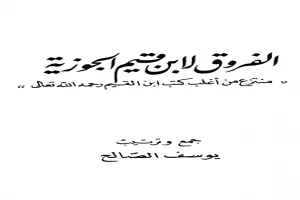
الفروق لابن القيم الجوزية PDF - Ibn Qayyim Al-Jawzia
Ibn Qayyim Al-Jawzia • Islam • 141 Pages
(0)
Author
Ibn Qayyim Al-JawziaCategory
ReligionsSection
Number Of Downloads
72
Number Of Reads
85
File Size
2.20 MB
Views
1,274
Quate
Review
Save
Share
Book Description
كتاب «الفروق» المنسوب إلى شمس الدين ابن قيم الجوزية ليس رواية ذات حبكة وشخصيات، بل نص علمي عربي في الوعظ والعقيدة والفقه وأصول التمييز بين المعاني المتقاربة. مؤلفه هو أبو عبد الله محمد بن أبي بكر بن أيوب، المعروف بابن قيم الجوزية، وقد عاش في القرن الثامن الهجري، وتذكر فهارس المكتبة الشاملة أنه من علماء الفترة 691-751هـ. أما بيانات النشر الحديثة للعنوان المتداول باسم «الفروق» فليست موحدة؛ فالنسخة الإلكترونية الشائعة لا تعرض ناشرًا مطبوعًا موثقًا ولا سنة نشر أصلية، بينما يذكر فهرس نور للكتاب أن ملف PDF يقع في 141 صفحة وأن تاريخ إنشاء الملف هو 28 أبريل 2007، مع عدم تحديد المؤلف في خانة الفهرسة رغم أن العنوان نفسه يربطه بابن القيم. لذلك فالوصف الأدق هو: «الفروق» نص عربي منسوب إلى ابن قيم الجوزية، متداول غالبًا كملف إلكتروني بلا ناشر محدد، لا ككتاب روائي حديث ببيانات نشر مكتملة.
تدور مادة كتاب «الفروق» حول فكرة مركزية هي أن العلم لا يكتمل بمجرد معرفة الأحكام أو الألفاظ المتشابهة، بل يحتاج القارئ إلى القدرة على التمييز بين الأشياء التي تبدو متقاربة في ظاهرها وتختلف في حقيقتها وآثارها. ومن هنا تأتي أهمية العنوان؛ فـ«الفروق» هنا تعني الفواصل الدقيقة بين مفاهيم عقدية وسلوكية وفقهية، مثل الفرق بين التوحيد الصحيح وصور الانحراف عنه، وبين التنزيه المشروع والتعطيل، وبين إثبات الصفات والتشبيه، وبين اتباع النصوص واحترام العلماء من غير غلو أو إلغاء. وتعرض إحدى النسخ الإلكترونية بداية النص بوصفه «باب الفروق»، وتبين أنه يتناول تمييزات في التوحيد، والاتباع، والأحوال الإيمانية، والحكم الشرعي.
محتوى الكتاب مناسب للباحثين والقراء المهتمين بتراث ابن القيم، لأنه يكشف جانبًا مهمًا من طريقته في التحليل: فهو لا يكتفي بعرض الحكم أو الموعظة، بل يحاول بناء معيار يفرّق به القارئ بين الحق والباطل، وبين العمل المشروع والعمل الملتبس، وبين الاستقامة والانحراف المقنّع بعبارات دينية. هذه الطريقة تجعل «الفروق» قريبًا من كتب القواعد والفوائد، حيث تتجمع فيه تأملات مركزة تساعد على فهم منهج ابن القيم في الاستدلال، وموقفه من العقيدة، والسلوك، والفقه، ومتابعة الرسول، ومكانة العلماء.
ولا يقدّم «الفروق» حبكة قصصية أو تسلسلًا روائيًا؛ لذلك لا يصح تلخيصه كما تلخص الروايات من خلال بداية وذروة ونهاية. ملخصه أنه كتاب يرشد القارئ إلى بناء بصيرة نقدية في الدين، فيبدأ من التمييز بين أنواع التوحيد والتنزيه، ثم ينتقل إلى قضايا الاتباع، والتمييز بين تعظيم النبي صلى الله عليه وسلم والغلو، وبين توقير العلماء وترك الدليل، وبين الحال الإيماني الصادق والحال النفسي أو الشيطاني. كما يلفت إلى الفرق بين الحكم المنزل الواجب الاتباع وبين التأويلات والاجتهادات التي قد تقبل في مواضع ولا تتحول إلى أصل ملزم للجميع.
يمتاز «الفروق» لابن قيم الجوزية بكثافة عبارته واعتماده على التقابل بين المعاني. وهذا الأسلوب يجعله كتابًا يحتاج إلى قراءة متأنية، لأن فائدته لا تكمن في كثرة الصفحات بقدر ما تكمن في دقة التصنيفات التي يقدمها. ومن الناحية المعرفية، يساعد الكتاب القارئ على تجنب الخلط بين المصطلحات الشرعية المتقاربة، وعلى فهم أن الخطأ لا يأتي دائمًا من إنكار الحق صراحة، بل قد يأتي من سوء التمييز بين حقين، أو من وضع معنى صحيح في غير موضعه. لذلك يبقى «الفروق» نصًا مهمًا لمن يبحث عن كتب ابن القيم باللغة العربية، وعن مؤلفات التراث الإسلامي التي تجمع بين العقيدة، والسلوك، والفقه، والنظر التحليلي في المعاني.
Ibn Qayyim Al-Jawzia
Ibn Qayyim Al-Jawzia is one of the most influential Muslim scholars, authors, and spiritual thinkers of the fourteenth century, remembered for his exceptional contribution to Islamic jurisprudence, theology, Quranic reflection, prophetic biography, ethics, and the purification of the heart. Born in Damascus in 1292, he grew up in a city known for its libraries, teaching circles, legal schools, and vibrant scholarly life. His full name was Muhammad ibn Abi Bakr ibn Ayyub, but he became widely known as Ibn Qayyim Al-Jawzia because his father served as the caretaker and administrator of the Jawziyyah school. This connection gave him the title by which readers across many generations continue to recognize him. His intellectual formation took place in an environment shaped by memorization, debate, close study of religious texts, and deep reverence for learned teachers. Among those teachers, the most famous was Ibn Taymiyyah, whose influence on him was profound. Ibn Qayyim Al-Jawzia studied with him for many years, absorbed his concern for the Quran and the Sunnah, and shared his criticism of rigid imitation when it separated people from sound evidence and living moral purpose. Yet Ibn Qayyim Al-Jawzia was not merely a follower of another scholar. He developed a distinctive voice marked by emotional depth, precise argument, literary elegance, and a rare ability to connect law, worship, psychology, and spiritual transformation. His writings show a mind interested not only in legal rulings but also in the inner life of the believer: sincerity, repentance, patience, gratitude, love, fear, hope, trust, and the struggle against destructive habits. Among his best-known works is زاد المعاد في هدي خير العباد, a rich study of the guidance of the Prophet Muhammad that combines biography, law, medicine, worship, manners, and practical conduct. Another major work is مدارج السالكين, a profound exploration of the stations of spiritual wayfaring, where he explains how the seeker moves through repentance, awareness, devotion, reliance, contentment, and love. His book إعلام الموقعين عن رب العالمين remains especially important for readers of Islamic legal theory because it discusses the responsibility of scholars who issue religious judgments, the seriousness of speaking in the name of sacred law, and the need to understand both textual evidence and real human circumstances. In الداء والدواء, he writes with unusual insight about sin, desire, moral weakness, and healing through knowledge, devotion, remembrance, and discipline. In روضة المحبين ونزهة المشتاقين, he explores love with literary beauty and psychological subtlety, making the work valuable not only as religious literature but also as a study of human longing and attachment. Other important works, such as مفتاح دار السعادة, الفوائد, الوابل الصيب, تحفة المودود بأحكام المولود, and شفاء العليل, further reveal the breadth of his scholarship. His style often moves from textual proof to reflection, from argument to exhortation, and from structured classification to poetic description. This flexibility gives his books lasting appeal because they serve students of knowledge, preachers, researchers, and general readers seeking meaningful guidance. Ibn Qayyim Al-Jawzia wrote with a clear belief that knowledge should reform the heart and action, not remain confined to memorized information. His legacy is therefore both scholarly and devotional. He contributed to the Hanbali legal tradition, engaged central theological questions, preserved and interpreted prophetic guidance, and created a literature of the heart that continues to inspire readers in many languages. He died in Damascus in 1350, leaving behind a body of work that remains central to Islamic studies and to contemporary interest in Muslim spirituality, ethical self-development, and classical religious thought. For a book website or author biography section, Ibn Qayyim Al-Jawzia represents a major classical author whose writings combine intellectual discipline, spiritual intensity, moral seriousness, and literary power.
Earn Rewards While Reading!
Every 10 pages you read and spent 30 seconds on every page, earns you 5 reward points! Keep reading to unlock achievements and exclusive benefits.
Read
Rate Now
5 Stars
4 Stars
3 Stars
2 Stars
1 Stars
الفروق لابن القيم الجوزية Quotes
Top Rated
Latest
Quate
Be the first to leave a quote and earn 10 points
instead of 3
'%20/%3e%3c/svg%3e "اجتماع الجيوش الإسلامية على حرب المعطلة والجهمية")
Comments
Be the first to leave a comment and earn 5 points
instead of 3