

The source of the book
This book is published for the public benefit under a Creative Commons license, or with the permission of the author or publisher. If you have any objections to its publication, please contact us.
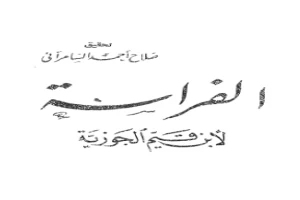
الفراسة لابن قيم الجوزية PDF - Ibn Qayyim Al-Jawzia
Ibn Qayyim Al-Jawzia • Islam • 318 Pages
(0)
Author
Ibn Qayyim Al-JawziaCategory
ReligionsSection
Number Of Downloads
71
Number Of Reads
68
File Size
10.32 MB
Views
1,376
Quate
Review
Save
Share
Book Description
كتاب «الفراسة» المنسوب إلى شمس الدين ابن قيم الجوزية، واسمه الكامل محمد بن أبي بكر بن أيوب ابن قيم الجوزية، من كتب التراث الإسلامي التي تجمع بين النظر الشرعي والتأمل في القرائن والأمارات والسلوك البشري. والمؤلف عالم حنبلي عاش بين 691 و751هـ، واشتهر بمؤلفاته في الفقه والتزكية والسياسة الشرعية وأحوال النفس. أما بيانات النشر الحديثة للكتاب فليست واحدة، لأن النص تراثي وله طبعات متعددة؛ ومن أشهر البيانات المتداولة طبعة بتحقيق د. صلاح أحمد السامرائي، نشرتها مطبعة الزمان في بغداد سنة 1406هـ/1986م، في مجلد واحد يقع في نحو 318 صفحة، كما تذكر فهارس أخرى نشره سنة 1986 مع نسبة إلى دار الفكر للطباعة والتوزيع. لذلك ينبغي التعامل مع سنة النشر والناشر بوصفهما بيانات طبعة حديثة لا تاريخ تأليف النص الأصلي.
يدور كتاب «الفراسة» لابن قيم الجوزية حول سؤال أساسي: هل يجوز للحاكم أو القاضي أن يستعين بالفراسة والقرائن الظاهرة لكشف الحق، أم يجب أن يقف عند ظاهر البينات فقط؟ ينطلق ابن القيم من هذه المسألة ليبين أن إهمال القرائن قد يؤدي إلى ضياع حقوق كثيرة، وأن التوسع فيها بلا ضوابط شرعية قد يفتح باب الظلم والفساد. ومن هنا تأتي أهمية الكتاب؛ فهو لا يتناول الفراسة بمعناها الشعبي القائم على التخمين، بل يعرضها باعتبارها فهمًا للعلامات، واستدلالًا بالإمارات، وربطًا بين الظاهر والباطن ضمن حدود العدل والشريعة.
محتوى الكتاب أقرب إلى رسالة فقهية وفكرية في القضاء والسياسة الشرعية منه إلى كتاب في قراءة الوجوه أو الصفات الجسدية فقط. يشرح ابن القيم أن القاضي الذكي لا يكتفي أحيانًا بالصياغات الجامدة إذا ظهرت له قرائن قوية تكشف الكذب أو التلاعب، مثل اضطراب الخصوم، وتناقض أقوالهم، وشواهد الحال، وما يحيط بالقضية من دلائل. لكنه في الوقت نفسه لا يجعل الفراسة بديلًا عن الأدلة الشرعية، ولا يسمح بأن تتحول إلى أداة تعسف أو حكم بالظن المجرد.
ويبرز الكتاب عناية ابن القيم بمقاصد القضاء، فالمقصود من الأحكام ليس الشكل وحده، بل الوصول إلى الحق ومنع الباطل. لذلك يعرض أمثلة ومعاني تتصل بكيفية تمييز الصادق من الكاذب، والاستفادة من القرائن في الخصومات، والنظر في الأحوال لاستخراج ما يخدم العدالة. وتظهر في «الفراسة» طريقة ابن القيم المعروفة في الجمع بين النصوص الشرعية، والتعليل العقلي، والخبرة الواقعية بأحوال الناس.
ولا يقدم الكتاب حبكة روائية لأنه ليس رواية، بل يعرض موضوعًا علميًا متسلسلًا: يبدأ من سؤال فقهي عن حكم العمل بالفراسة، ثم يوسع النقاش إلى قيمة القرائن في القضاء، ثم يوازن بين الإفراط والتفريط. خلاصة الكتاب أن الفراسة المقبولة هي التي تستند إلى دلائل معتبرة وخبرة وعدل، أما الفراسة القائمة على الهوى أو التسرع أو ادعاء معرفة الغيب فليست من المنهج الصحيح. وبذلك يظل كتاب «الفراسة» لابن قيم الجوزية مرجعًا مهمًا لكل قارئ مهتم بالتراث الإسلامي، وفلسفة القضاء، وفقه القرائن، وحدود استعمال الذكاء العملي في تحقيق العدل.
Ibn Qayyim Al-Jawzia
Ibn Qayyim Al-Jawzia is one of the most influential Muslim scholars, authors, and spiritual thinkers of the fourteenth century, remembered for his exceptional contribution to Islamic jurisprudence, theology, Quranic reflection, prophetic biography, ethics, and the purification of the heart. Born in Damascus in 1292, he grew up in a city known for its libraries, teaching circles, legal schools, and vibrant scholarly life. His full name was Muhammad ibn Abi Bakr ibn Ayyub, but he became widely known as Ibn Qayyim Al-Jawzia because his father served as the caretaker and administrator of the Jawziyyah school. This connection gave him the title by which readers across many generations continue to recognize him. His intellectual formation took place in an environment shaped by memorization, debate, close study of religious texts, and deep reverence for learned teachers. Among those teachers, the most famous was Ibn Taymiyyah, whose influence on him was profound. Ibn Qayyim Al-Jawzia studied with him for many years, absorbed his concern for the Quran and the Sunnah, and shared his criticism of rigid imitation when it separated people from sound evidence and living moral purpose. Yet Ibn Qayyim Al-Jawzia was not merely a follower of another scholar. He developed a distinctive voice marked by emotional depth, precise argument, literary elegance, and a rare ability to connect law, worship, psychology, and spiritual transformation. His writings show a mind interested not only in legal rulings but also in the inner life of the believer: sincerity, repentance, patience, gratitude, love, fear, hope, trust, and the struggle against destructive habits. Among his best-known works is زاد المعاد في هدي خير العباد, a rich study of the guidance of the Prophet Muhammad that combines biography, law, medicine, worship, manners, and practical conduct. Another major work is مدارج السالكين, a profound exploration of the stations of spiritual wayfaring, where he explains how the seeker moves through repentance, awareness, devotion, reliance, contentment, and love. His book إعلام الموقعين عن رب العالمين remains especially important for readers of Islamic legal theory because it discusses the responsibility of scholars who issue religious judgments, the seriousness of speaking in the name of sacred law, and the need to understand both textual evidence and real human circumstances. In الداء والدواء, he writes with unusual insight about sin, desire, moral weakness, and healing through knowledge, devotion, remembrance, and discipline. In روضة المحبين ونزهة المشتاقين, he explores love with literary beauty and psychological subtlety, making the work valuable not only as religious literature but also as a study of human longing and attachment. Other important works, such as مفتاح دار السعادة, الفوائد, الوابل الصيب, تحفة المودود بأحكام المولود, and شفاء العليل, further reveal the breadth of his scholarship. His style often moves from textual proof to reflection, from argument to exhortation, and from structured classification to poetic description. This flexibility gives his books lasting appeal because they serve students of knowledge, preachers, researchers, and general readers seeking meaningful guidance. Ibn Qayyim Al-Jawzia wrote with a clear belief that knowledge should reform the heart and action, not remain confined to memorized information. His legacy is therefore both scholarly and devotional. He contributed to the Hanbali legal tradition, engaged central theological questions, preserved and interpreted prophetic guidance, and created a literature of the heart that continues to inspire readers in many languages. He died in Damascus in 1350, leaving behind a body of work that remains central to Islamic studies and to contemporary interest in Muslim spirituality, ethical self-development, and classical religious thought. For a book website or author biography section, Ibn Qayyim Al-Jawzia represents a major classical author whose writings combine intellectual discipline, spiritual intensity, moral seriousness, and literary power.
Earn Rewards While Reading!
Every 10 pages you read and spent 30 seconds on every page, earns you 5 reward points! Keep reading to unlock achievements and exclusive benefits.
Read
Rate Now
5 Stars
4 Stars
3 Stars
2 Stars
1 Stars
الفراسة لابن قيم الجوزية Quotes
Top Rated
Latest
Quate
Be the first to leave a quote and earn 10 points
instead of 3
'%20/%3e%3c/svg%3e "اجتماع الجيوش الإسلامية على حرب المعطلة والجهمية")
Comments
Be the first to leave a comment and earn 5 points
instead of 3