

The source of the book
This book is published for the public benefit under a Creative Commons license, or with the permission of the author or publisher. If you have any objections to its publication, please contact us.
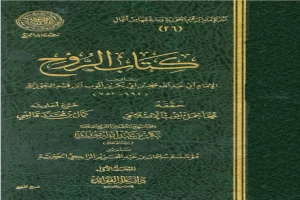
الروح PDF - Ibn Qayyim Al-Jawzia
Ibn Qayyim Al-Jawzia • Islam • 884 Pages
(0)
Author
Ibn Qayyim Al-JawziaCategory
ReligionsSection
Number Of Downloads
65
Number Of Reads
77
File Size
14.20 MB
Views
1,339
Quate
Review
Save
Share
Book Description
كتاب الروح لشمس الدين ابن قيم الجوزية هو كتاب تراثي عربي في العقيدة والوعظ والبحث في مسائل النفس والبرزخ وأحوال الأرواح بعد الموت. مؤلفه هو أبو عبد الله محمد بن أبي بكر بن أيوب بن سعد، المعروف بابن قيم الجوزية، المولود سنة 691هـ والمتوفى سنة 751هـ. وبما أن الكتاب من مؤلفات القرن الثامن الهجري، فلا توجد له سنة نشر أصلية أو ناشر أصلي بالمعنى الحديث، لكن من الطبعات المعاصرة المعتمدة طبعة دار عالم الفوائد، الصادرة في طبعتها الأولى سنة 1429هـ، بتحقيق محمد أجمل الإصلاحي وتخريج كمال بن محمد قالمي. كما توجد طبعات أخرى، منها طبعة دار الكتب العلمية في بيروت.
يتناول كتاب الروح لابن القيم موضوعًا دقيقًا من موضوعات الفكر الإسلامي، وهو حقيقة الروح وصلتها بالجسد، وما يقع لها بعد الموت، وعلاقتها بعالم البرزخ. ولا يعد الكتاب رواية ذات حبكة وشخصيات، بل هو عمل علمي جدلي يعتمد على الآيات القرآنية، والأحاديث النبوية، والآثار، وأقوال العلماء، مع مناقشات لغوية وعقدية وفقهية. لذلك فإن ملخص كتاب الروح ينبغي أن يُقرأ بوصفه عرضًا لمباحث الكتاب لا تلخيصًا لأحداث قصصية.
يفتتح ابن القيم كتابه بالإجابة عن أسئلة تتعلق بمعرفة الأموات بزيارة الأحياء وسلامهم عليهم، وهل تصلهم هذه التحية وينتفعون بها. ثم ينتقل إلى مسألة تلاقي أرواح الموتى وتزاورها وتذاكرها، وهي من أشهر المسائل التي ارتبطت بالكتاب في أذهان القراء. ويعالج المؤلف كذلك مسألة التقاء أرواح الأحياء بأرواح الأموات، ولا سيما في الرؤى والمنامات، محاولًا بيان ما يراه موافقًا للنصوص الشرعية والتجربة الإنسانية المنضبطة. وتظهر في هذه الفصول طريقة ابن القيم المعروفة في جمع الأدلة، ثم المقارنة بين الأقوال، ثم ترجيح ما يراه أقرب إلى الدليل.
ومن أبرز موضوعات كتاب الروح السؤال عن موت الروح: هل تموت كما يموت الجسد، أم إن الموت يقع على البدن وتنتقل الروح إلى حال أخرى؟ يناقش ابن القيم هذه القضية من خلال التفريق بين مفاهيم الحياة والموت والفناء والانتقال، ويعرض تصوره لأحوال الروح في البرزخ. كما يتناول مستقر الأرواح بعد الموت، واختلاف أحوالها بحسب الإيمان والعمل، فيربط البحث العقدي بالغاية الوعظية؛ إذ لا يكتفي بالتحليل النظري، بل يوجه القارئ إلى تذكر الآخرة ومراجعة العمل.
ويتضمن الكتاب أيضًا مباحث عن النفس: هل هي الروح نفسها أم بينهما فرق؟ وما معنى الروح في القرآن؟ وكيف استعملت النصوص الشرعية كلمة الروح في أكثر من سياق؟ ويحرص ابن القيم على بيان تعدد دلالات اللفظ، ثم يربط ذلك بمسائل الإنسان والحياة والموت. وبسبب طبيعة الموضوع، يمزج الكتاب بين الاستدلال النقلي والتأمل العقلي، مع حضور واضح للنزعة التربوية التي تميز كثيرًا من كتب ابن القيم.
تكمن أهمية كتاب الروح في أنه يجمع عددًا كبيرًا من المسائل المتفرقة حول أرواح الأموات والأحياء في مصنف واحد. لكنه في الوقت نفسه يحتاج إلى قارئ واعٍ بطبيعة كتب التراث؛ فبعض الروايات والآثار الواردة فيه محل نقاش عند أهل الحديث، ولذلك تكتسب الطبعات المحققة أهمية خاصة لأنها تساعد القارئ على معرفة التخريج والتعليقات العلمية. وبوجه عام، يقدم كتاب الروح مادة واسعة لمن يبحث عن تصور ابن القيم لقضايا الروح والبرزخ، وعن الطريقة التي عالج بها علماء المسلمين أسئلة الموت والحياة الأخرى في ضوء النصوص الدينية والتراث العلمي الإسلامي.
Ibn Qayyim Al-Jawzia
Ibn Qayyim Al-Jawzia is one of the most influential Muslim scholars, authors, and spiritual thinkers of the fourteenth century, remembered for his exceptional contribution to Islamic jurisprudence, theology, Quranic reflection, prophetic biography, ethics, and the purification of the heart. Born in Damascus in 1292, he grew up in a city known for its libraries, teaching circles, legal schools, and vibrant scholarly life. His full name was Muhammad ibn Abi Bakr ibn Ayyub, but he became widely known as Ibn Qayyim Al-Jawzia because his father served as the caretaker and administrator of the Jawziyyah school. This connection gave him the title by which readers across many generations continue to recognize him. His intellectual formation took place in an environment shaped by memorization, debate, close study of religious texts, and deep reverence for learned teachers. Among those teachers, the most famous was Ibn Taymiyyah, whose influence on him was profound. Ibn Qayyim Al-Jawzia studied with him for many years, absorbed his concern for the Quran and the Sunnah, and shared his criticism of rigid imitation when it separated people from sound evidence and living moral purpose. Yet Ibn Qayyim Al-Jawzia was not merely a follower of another scholar. He developed a distinctive voice marked by emotional depth, precise argument, literary elegance, and a rare ability to connect law, worship, psychology, and spiritual transformation. His writings show a mind interested not only in legal rulings but also in the inner life of the believer: sincerity, repentance, patience, gratitude, love, fear, hope, trust, and the struggle against destructive habits. Among his best-known works is زاد المعاد في هدي خير العباد, a rich study of the guidance of the Prophet Muhammad that combines biography, law, medicine, worship, manners, and practical conduct. Another major work is مدارج السالكين, a profound exploration of the stations of spiritual wayfaring, where he explains how the seeker moves through repentance, awareness, devotion, reliance, contentment, and love. His book إعلام الموقعين عن رب العالمين remains especially important for readers of Islamic legal theory because it discusses the responsibility of scholars who issue religious judgments, the seriousness of speaking in the name of sacred law, and the need to understand both textual evidence and real human circumstances. In الداء والدواء, he writes with unusual insight about sin, desire, moral weakness, and healing through knowledge, devotion, remembrance, and discipline. In روضة المحبين ونزهة المشتاقين, he explores love with literary beauty and psychological subtlety, making the work valuable not only as religious literature but also as a study of human longing and attachment. Other important works, such as مفتاح دار السعادة, الفوائد, الوابل الصيب, تحفة المودود بأحكام المولود, and شفاء العليل, further reveal the breadth of his scholarship. His style often moves from textual proof to reflection, from argument to exhortation, and from structured classification to poetic description. This flexibility gives his books lasting appeal because they serve students of knowledge, preachers, researchers, and general readers seeking meaningful guidance. Ibn Qayyim Al-Jawzia wrote with a clear belief that knowledge should reform the heart and action, not remain confined to memorized information. His legacy is therefore both scholarly and devotional. He contributed to the Hanbali legal tradition, engaged central theological questions, preserved and interpreted prophetic guidance, and created a literature of the heart that continues to inspire readers in many languages. He died in Damascus in 1350, leaving behind a body of work that remains central to Islamic studies and to contemporary interest in Muslim spirituality, ethical self-development, and classical religious thought. For a book website or author biography section, Ibn Qayyim Al-Jawzia represents a major classical author whose writings combine intellectual discipline, spiritual intensity, moral seriousness, and literary power.
Earn Rewards While Reading!
Every 10 pages you read and spent 30 seconds on every page, earns you 5 reward points! Keep reading to unlock achievements and exclusive benefits.
Read
Rate Now
5 Stars
4 Stars
3 Stars
2 Stars
1 Stars
الروح Quotes
Top Rated
Latest
Quate
Be the first to leave a quote and earn 10 points
instead of 3
'%20/%3e%3c/svg%3e "اجتماع الجيوش الإسلامية على حرب المعطلة والجهمية")
Comments
Be the first to leave a comment and earn 5 points
instead of 3