

The source of the book
This book is published for the public benefit under a Creative Commons license, or with the permission of the author or publisher. If you have any objections to its publication, please contact us.
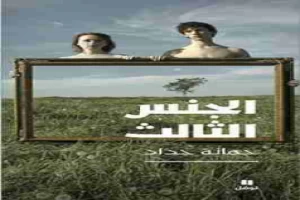
الجنس الثالث PDF - Jumana Haddad
Jumana Haddad • Literary novels • 86 Pages
(0)
Author
Jumana HaddadCategory
literatureSection
Number Of Downloads
58
Number Of Reads
107
File Size
8.28 MB
Views
1,444
Quate
Review
Save
Share
Book Description
كتاب «الجنس الثالث» للكاتب المصري يوسف إدريس هو عمل أدبي ينتمي إلى القصة القصيرة، ويعكس بوضوح أسلوب إدريس المعروف في استكشاف النفس الإنسانية والقضايا الاجتماعية بجرأة وعمق. صدر الكتاب لأول مرة في ستينيات القرن العشرين عن دار الكاتب العربي في القاهرة، ثم أعيد نشره في طبعات لاحقة من دور نشر عربية مختلفة. ويُعد يوسف إدريس (1927–1991) أحد أبرز رواد القصة القصيرة العربية، وقد ترك بصمة واضحة في الأدب العربي الحديث بفضل لغته المكثفة وقدرته على تصوير الإنسان العادي في مواجهة تعقيدات المجتمع.
يتناول كتاب «الجنس الثالث» مجموعة من القصص التي تدور حول الإنسان وصراعاته النفسية والاجتماعية، ويستخدم عنوانه بوصفه مدخلًا رمزيًا لاستكشاف شخصيات تشعر بالاغتراب أو تقف بين عالمين، سواء على المستوى النفسي أو الاجتماعي أو الفكري. لا يركز الكتاب على مفهوم بيولوجي أو علمي لـ"الجنس الثالث"، بل يوظف الفكرة أدبيًا للتعبير عن حالات إنسانية معقدة تتجاوز التصنيفات التقليدية. ومن خلال شخصيات متنوعة، يناقش يوسف إدريس موضوعات مثل الهوية، والعزلة، والتناقض بين الرغبات الفردية والقيود الاجتماعية، والسلطة، والخوف، والبحث عن الذات.
تعتمد القصص على بناء درامي مكثف، حيث يركز الكاتب على لحظات حاسمة في حياة الشخصيات تكشف عن دوافعها الداخلية وتناقضاتها. ويتميز السرد بالحوار الطبيعي واللغة القريبة من الحياة اليومية، مع حضور واضح للرمزية في بعض القصص دون أن يفقد العمل ارتباطه بالواقع. ويمنح هذا الأسلوب القارئ فرصة للتأمل في أبعاد الشخصيات أكثر من الاهتمام بالأحداث وحدها، وهو ما جعل أعمال يوسف إدريس تحتفظ بقيمتها الأدبية عبر العقود.
يناسب هذا الكتاب قراء الأدب العربي الكلاسيكي والحديث، ومحبي القصة القصيرة ذات البعد النفسي والاجتماعي، إضافة إلى طلاب الأدب والباحثين المهتمين بتطور السرد العربي في القرن العشرين. وقد يجد القارئ الذي يفضل الروايات الطويلة أو الحبكات المتشعبة أن هذا العمل يتطلب أسلوبًا مختلفًا في القراءة، لأن كل قصة تقدم تجربة مستقلة تعتمد على التكثيف والإيحاء أكثر من الامتداد الزمني.
من أبرز نقاط القوة في «الجنس الثالث» قدرة يوسف إدريس على رسم شخصيات نابضة بالحياة باستخدام عدد محدود من الصفحات، فضلًا عن لغته السلسة التي تجمع بين الفصحى والتعبيرات القريبة من الواقع، وحسه الإنساني العميق في معالجة القضايا الاجتماعية. كما يتميز الكتاب بجرأته الفكرية في تناول موضوعات كانت تُعد حساسة في زمنه، دون أن يتحول إلى خطاب مباشر أو وعظي. أما من نقاط الضعف المحتملة بالنسبة لبعض القراء، فهي أن بعض القصص تعتمد على الرمزية أو النهايات المفتوحة، مما يترك مساحة واسعة للتأويل وقد لا يرضي من يفضل الإجابات الواضحة.
ما يميز هذا الكتاب عن كثير من المجموعات القصصية العربية المعاصرة له هو المزج بين الواقعية الدقيقة والتحليل النفسي العميق، مع قدرة استثنائية على تحويل المواقف اليومية إلى أسئلة إنسانية وفكرية أوسع. كما أن خبرة يوسف إدريس الطبية انعكست في فهمه الدقيق للنفس البشرية، وهو ما يظهر في تفاصيل الشخصيات وطريقة تفاعلها مع الضغوط الاجتماعية.
يستحق «الجنس الثالث» القراءة لكل من يرغب في التعرف إلى تجربة يوسف إدريس الأدبية وإلى تطور فن القصة القصيرة العربية. فرغم مرور سنوات طويلة على صدوره، لا تزال موضوعاته المتعلقة بالهوية والحرية والاغتراب تحتفظ براهنيتها، مما يجعل الكتاب قادرًا على مخاطبة القارئ المعاصر بقدر كبير من العمق والصدق.
يأتي هذا العمل ضمن السياق الثقافي والفكري الذي شهدته مصر والعالم العربي خلال النصف الثاني من القرن العشرين، وهي مرحلة اتسمت بتحولات اجتماعية وسياسية كبيرة انعكست بقوة في الأدب. وقد أسهم يوسف إدريس في تجديد القصة القصيرة العربية، وأصبحت أعماله جزءًا مهمًا من المناهج والدراسات الأدبية. ورغم أن «الجنس الثالث» لم يُعرف بحصوله على جائزة أدبية مستقلة، فإن مؤلفه نال تقديرًا واسعًا محليًا وعربيًا، ويُعد من أكثر الأدباء تأثيرًا في تاريخ الأدب العربي الحديث.
Jumana Haddad
Joumana Haddad (6 December 1970, Beirut) is a Lebanese writer, translator and journalist. She was chosen in March 2014 as one of the 100 most influential Arab women in the world (ranked 62) by CEO Middle East magazine, due to her cultural and social activism. She is from the Salloum family, and her origins go back to the global town of Yaroun (southern Lebanon). Joumana Haddad is responsible for the cultural page of the Lebanese newspaper An-Nahar, and a professor at the Lebanese American University in Beirut. She is a women's rights activist, and founder of the cultural magazine "Jasad", which specializes in body arts, sciences, and arts. From 2007 to 2011, she was the administrative coordinator of the International Prize for Arabic Fiction (or the Arab Booker), and is now a member of the Prize's Board of Trustees. She has published several poetry collections that have received wide criticism in Lebanon and the Arab world, and some of them have also been translated into foreign languages. She conducted a series of interviews with a wide range of international writers, such as Umberto Eco, Paul Auster, Jose Saramago, Paulo Coelho, Peter Handke and others. She is fluent in seven languages, and has translated poetry, novels and theater for a number of Arab and international writers, including the "Anthology of Modern Lebanese Poetry" in Spanish, which was issued in Spain as well as in various countries of Latin America. Joumana Haddad is a member of the Board of Trustees of the NGO Dot, which is concerned with the economic empowerment of women in rural areas. In 2006, she won the Arab Press Award. In October 2009, she won the "North-South" Prize for Poetry in Pescara, Italy. In October 2009, she was chosen as one of the 39 most prominent Arab writers under the age of thirty-nine, within the framework of the Beirut 39 project. In April 2010, she received the Blue Metropolis Prize for Arabic Literature (Al-Majidi bin Dhaher) in Montreal, Canada. In August 2010, she received the Rodolfo Gentile Prize in Porto Recanati, Italy. In November 2012, she received the Cutoli International Prize for Journalism in Sicily, Italy. In July 2013, she was appointed Honorary Ambassador for Culture and Human Rights in the Mediterranean by the Mayor of Naples, Italy. In February 2014, she received the Poetry Walk Award from the Foundation "Archicultura" in Piedmont, Italy. Her works: In Poetry: A Time for a Dream, 1995, Beirut. An invitation to a secret dinner, 1998, Dar Al-Nahar Publishing, Beirut. Hands to an Abyss, 2000, Dar Al-Nahar Publishing, Beirut. I Have Not Done Enough, 2003, an anthology of poetry, Kaf Noun House, Cairo. Odeh Lilit, 2004, Dar Al-Nahar Publishing, Beirut / 2007, Dar Afaq, Cairo. The Hidden Tiger at the Drop of the Shoulders, 2007, an anthology of poetry, Publications of Difference and Arab House of Science, Algeria. Bad Habits, 2007, an anthology of poetry, the General Authority for Cultural Palaces, Cairo. Mirrors of Transients in a Dream, 2008, Dar Al-Nahar for Publishing and the Arab House of Science, Beirut / 2010, Dar Afaq, Cairo. Al-Jim Book, 2011, Arab House of Science, Beirut. In prose: Thus Killed Scheherazade, 2010, Saqi Books, London (issued in 13 countries and 12 languages in the world, including Arabic). Arabic Superman, 2012, Westbourne Press, London (original in English and translated into French, Italian, Spanish, Croatian and Arabic). In translation: Touches of Shadow, 2002, poetry, Emmanuel Menardo, on Italian, the Arab Institute for Studies and Publishing, Beirut. Beirut when she was crazy, 2003, a novel, by Antonio Ferrari, on the Italian, Dar Al-Nahar Publishing, Beirut. There Where the River Burns, An Anthology of Modern Lebanese Poetry in Spanish
Earn Rewards While Reading!
Every 10 pages you read and spent 30 seconds on every page, earns you 5 reward points! Keep reading to unlock achievements and exclusive benefits.
Read
Rate Now
5 Stars
4 Stars
3 Stars
2 Stars
1 Stars
الجنس الثالث Quotes
Top Rated
Latest
Quate
Be the first to leave a quote and earn 10 points
instead of 3
'%20/%3e%3c/svg%3e "بنت الخياطة")
Comments
Be the first to leave a comment and earn 5 points
instead of 3