

The source of the book
This book is published for the public benefit under a Creative Commons license, or with the permission of the author or publisher. If you have any objections to its publication, please contact us.
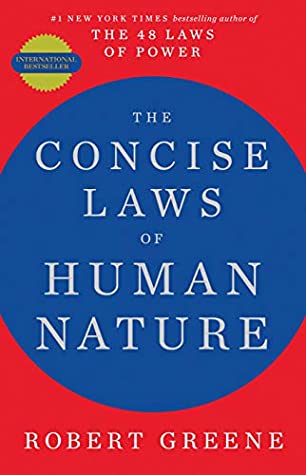
The Concise Laws of Human Nature PDF - Robert Greene
Robert Greene • Human Development • 217 Pages
(0)
Author
Robert GreeneCategory
Social sciencesNumber Of Downloads
1
Number Of Reads
26
File Size
1.36 MB
Views
32
Quate
Review
Save
Share
Book Description
The Concise Laws of Human Nature by Robert Greene is a focused and accessible guide to one of the most important subjects in personal growth, leadership, psychology, and everyday life: understanding why people behave the way they do. Adapted from Greene’s larger work The Laws of Human Nature, this concise edition offers readers a sharper, more compact path into his study of motivation, emotion, character, self-awareness, and social behavior. It is designed for readers who want the depth of Greene’s insight in a more direct format, making it a practical choice for anyone interested in human psychology, emotional intelligence, self-improvement, and the hidden forces that shape relationships and decisions.
A Clear Guide to Understanding Human Behavior
At its heart, The Concise Laws of Human Nature explores the patterns that influence how people think, react, desire, compete, connect, and protect themselves. Robert Greene examines human nature not as an abstract idea, but as something visible in daily life: in conversations, conflicts, ambitions, insecurities, friendships, workplaces, and family relationships. The book invites readers to look more carefully at the motives behind actions, including the motives people may not fully understand in themselves.
Greene’s approach is especially valuable because it combines psychological observation, historical perspective, practical strategy, and self-reflection. Rather than presenting human behavior as random or impossible to read, he shows that people often follow recognizable emotional patterns. By learning to identify these patterns, readers can become more patient, more strategic, and more aware in how they deal with others. This makes the book useful not only for personal development, but also for communication, leadership, negotiation, career growth, and emotional maturity.
The Power of Self-Knowledge
One of the strongest themes in The Concise Laws of Human Nature is the need to understand yourself before trying to understand others. Greene emphasizes that people are often driven by emotions, biases, fears, desires, and habits that operate beneath the surface. A person may believe they are acting rationally, while their decisions are being shaped by insecurity, envy, pride, resentment, or the need for approval.
This makes the book more than a guide to reading other people. It is also a mirror. Readers are encouraged to recognize their own tendencies, question their automatic reactions, and become more conscious of the emotional forces that influence their choices. For anyone searching for a book about self-awareness, human nature, or how to understand people, this concise edition offers a thoughtful and practical entry point into Greene’s ideas.
Relationships, Work, and Social Intelligence
Because human life is built around relationships, the lessons in this book apply across many areas. In the workplace, understanding human nature can help readers recognize power dynamics, hidden motivations, emotional reactions, and the difference between appearance and character. In personal relationships, it can help readers build empathy, avoid unnecessary conflict, and see beyond surface behavior. In leadership or business, it can support better judgment when dealing with ambition, loyalty, competition, persuasion, and trust.
The Concise Laws of Human Nature is especially relevant for readers who want to improve their social intelligence. Greene does not present social awareness as manipulation, but as a disciplined way of seeing more clearly. The better readers understand the emotional lives of others, the better they can respond with patience, realism, and confidence. This makes the book appealing to entrepreneurs, managers, students, creatives, professionals, and anyone who regularly works with people.
A Practical Introduction to Robert Greene’s Thinking
Robert Greene is widely known for books that examine power, strategy, mastery, seduction, and the patterns of human ambition. In The Concise Laws of Human Nature, he brings that same analytical style to the inner world of human behavior. Readers familiar with The 48 Laws of Power, Mastery, or The 33 Strategies of War will recognize his interest in history, psychology, and the practical lessons that can be drawn from observing people closely.
This concise edition is particularly helpful for readers who want Greene’s core insights in a more efficient form. The writing is direct and purposeful, making it easier to return to key ideas and apply them in real life. It works well as a first Robert Greene book for readers who are mainly interested in psychology and self-development, and it also serves as a useful companion for those who already know his longer works.
Why Readers Choose The Concise Laws of Human Nature
Readers often search for The Concise Laws of Human Nature because they want a book that explains people more clearly. They may want to understand difficult personalities, improve their judgment, become less reactive, recognize manipulation, strengthen emotional control, or develop deeper empathy. Greene’s book speaks to all of these needs by showing that human behavior has roots, patterns, and signals that can be studied.
The value of the book lies in its balance between realism and self-improvement. It does not assume that people are always rational, honest, or self-aware. At the same time, it does not encourage cynicism. Instead, it helps readers approach human behavior with sharper perception. By understanding motives, emotional triggers, and recurring patterns, readers can protect themselves from poor judgment while also becoming more generous and insightful in their view of others.
A Concise Book with Lasting Use
Although this edition is concise, its ideas are designed to be revisited. A reader may return to it when facing workplace tension, relationship confusion, leadership challenges, or moments of personal doubt. The book functions as both a practical guide and a reflective tool, offering language for experiences many people recognize but do not always know how to explain.
The Concise Laws of Human Nature by Robert Greene is a valuable choice for readers interested in psychology books, self-help books, personal development, emotional intelligence, leadership, and understanding human behavior. It offers a clear and memorable way to think about people, not as simple or predictable beings, but as complex individuals shaped by emotion, history, desire, and unconscious motivation.
A Thoughtful Book for Readers Who Want to See More Clearly
For anyone who wants to become a better observer of people and a more conscious observer of themselves, The Concise Laws of Human Nature offers a powerful reading experience. It encourages readers to slow down, look beneath appearances, and notice the deeper emotional currents that influence daily life. Robert Greene’s concise presentation makes the book approachable while preserving the seriousness of its subject: the study of human nature itself.
This is a book for readers who want practical wisdom, sharper judgment, and a deeper understanding of the social world around them. Whether read for personal growth, professional development, or curiosity about psychology, The Concise Laws of Human Nature remains a compelling guide to the motives, emotions, and patterns that shape human life.
Robert Greene
Robert Greene, born on May 14, 1959, is an esteemed American author renowned for his compelling books on strategy, power dynamics, and human behavior. With a diverse background and a profound understanding of various disciplines, Greene has become a prominent figure in the realms of literature and philosophy.
Raised in Los Angeles as the younger son of Jewish parents, Greene's early life was marked by intellectual curiosity and a quest for diverse experiences. He embarked on his academic journey at the University of California, Berkeley, later completing his Bachelor of Arts degree in classical studies at the University of Wisconsin–Madison. Before finding his calling as an author, Greene immersed himself in an eclectic array of professions, including construction work, translation, magazine editing, and screenwriting in Hollywood.
Greene's transformative moment came in 1995 while working at Fabrica, an art and media school in Italy, where he met Joost Elffers, a book packager. Inspired by Greene's insights on power dynamics, Elffers encouraged him to develop his ideas into a book. This collaboration led to the publication of "The 48 Laws of Power," Greene's seminal work that explores the intricate and often controversial principles of power dynamics in human relationships. Since then, Greene has authored several other bestsellers, including "The Art of Seduction," "The 33 Strategies of War," "Mastery," "The Laws of Human Nature," and "The Daily Laws."
Central to Greene's philosophy is the concept that power is inherently amoral—neither good nor evil—and that understanding its dynamics is crucial for personal and professional success. His books have garnered international acclaim for their insightful analysis, historical references, and practical applications in various aspects of life, from business to personal development.
Beyond his literary achievements, Greene is recognized for his multilingual proficiency and his interest in Zen Buddhism. He is also noted for his mentorship of authors like Ryan Holiday, reflecting his commitment to nurturing talent and sharing his wisdom with the next generation of thinkers and writers.
Greene's impact extends beyond academia and into social and political spheres. He has been vocal about his liberal political views and has supported figures like Barack Obama in the United States presidential election. Despite his Jewish heritage, Greene maintains a nuanced stance on spirituality, drawing parallels to Albert Einstein's contemplative views on religion.
In 2018, Greene faced a significant health challenge—a stroke that temporarily paralyzed his left hand and leg. Undeterred, he continued to persevere, exemplifying resilience and determination in both his personal and professional life.
Today, Robert Greene resides in Los Angeles with his partner, Anna Biller, a filmmaker. His contributions to literature and philosophy continue to inspire readers worldwide, challenging them to rethink conventional wisdom and empowering them with the knowledge to navigate the complexities of human interactions and power dynamics.
Robert Greene's journey from eclectic beginnings to becoming a globally respected author underscores his enduring influence in shaping contemporary discourse on strategy, power, and the human condition. As he continues to explore new avenues of thought and creativity, Greene remains a beacon of intellectual curiosity and insight, leaving an indelible mark on the literary landscape of our time.
Earn Rewards While Reading!
Every 10 pages you read and spent 30 seconds on every page, earns you 5 reward points! Keep reading to unlock achievements and exclusive benefits.
Read
Rate Now
5 Stars
4 Stars
3 Stars
2 Stars
1 Stars
The Concise Laws of Human Nature Quotes
Top Rated
Latest
Quate
Be the first to leave a quote and earn 10 points
instead of 3
'%20/%3e%3c/svg%3e "48 Laws of Power")
Comments
Be the first to leave a comment and earn 5 points
instead of 3