

The source of the book
This book is published for the public benefit under a Creative Commons license, or with the permission of the author or publisher. If you have any objections to its publication, please contact us.
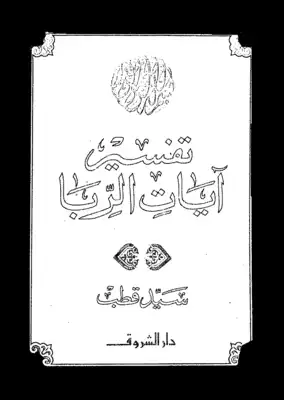
تفسير آيات الربا PDF - Sayyid Qutb
Sayyid Qutb • Islam • 77 Pages
(0)
Quate
Review
Save
Share
Book Description
كتاب «تفسير آيات الربا» للمؤلف سيد قطب هو عمل صغير الحجم يتناول الآيات القرآنية المتعلقة بالربا، ويعرض رؤية المؤلف لموقف الإسلام من هذه القضية الاقتصادية والأخلاقية. نُشر الكتاب في طبعات متعددة عن دور نشر عربية وإسلامية، كما أن مادته مستمدة في الأصل من تفسير سيد قطب للآيات الواردة في كتابه الأشهر في ظلال القرآن، ثم جُمعت في إصدار مستقل لتسهيل الاطلاع على موضوع الربا. ويُعد سيد قطب من أبرز المفكرين الإسلاميين في القرن العشرين، وقد امتازت كتاباته بالجمع بين التفسير الأدبي للقرآن والرؤية الفكرية والاجتماعية.
يركز الكتاب على تفسير الآيات التي تناولت تحريم الربا في القرآن الكريم، ولا سيما الآيات الواردة في سورتي البقرة وآل عمران، مع بيان التدرج في التشريع القرآني حتى انتهى إلى التحريم القطعي. يوضح سيد قطب أن الربا ليس مجرد معاملة مالية محرمة، بل هو نظام اقتصادي واجتماعي يؤدي – من وجهة نظره – إلى الظلم واستغلال المحتاجين وإضعاف قيم التكافل بين أفراد المجتمع. كما يناقش الحكمة من تحريم الربا، ويربط بين التشريع الإسلامي وأهدافه في تحقيق العدالة الاجتماعية وحماية الإنسان من الاستغلال.
يعتمد المؤلف في شرحه على الربط بين النص القرآني والواقع الإنساني، فيفسر الآيات بلغة أدبية مؤثرة، ثم ينتقل إلى استنباط الدلالات الفكرية والاجتماعية والاقتصادية. ولا يقتصر على بيان الأحكام الفقهية التفصيلية، بل يهتم بإبراز المقاصد العامة للشريعة وآثار النظام الربوي في حياة الأفراد والمجتمعات. ولهذا فإن الكتاب لا يُعد مرجعًا فقهيًا متخصصًا في المعاملات المالية بقدر ما هو قراءة تفسيرية وفكرية لآيات الربا في القرآن الكريم.
يناسب هذا الكتاب القراء المهتمين بالدراسات الإسلامية، وطلاب التفسير، والباحثين في الفكر الإسلامي المعاصر، كما يفيد من يرغب في التعرف إلى رؤية سيد قطب للقضايا الاقتصادية من منظور قرآني. أما القارئ الذي يبحث عن دراسة فقهية مقارنة تشمل آراء المذاهب المختلفة أو التطبيقات المصرفية الحديثة، فقد يحتاج إلى الرجوع إلى مراجع فقهية متخصصة إلى جانب هذا الكتاب.
من أبرز نقاط قوة الكتاب أسلوب سيد قطب الأدبي، وقدرته على ربط الآيات بالواقع الاجتماعي والإنساني، إضافة إلى وضوح الفكرة وتركيزه على البعد الأخلاقي للتشريع الإسلامي. كما يتميز بسهولة القراءة مقارنة بالمؤلفات الفقهية المطولة، مما يجعله مناسبًا لغير المتخصصين أيضًا. في المقابل، قد يرى بعض القراء أن الكتاب يغلب عليه الطابع الفكري والوعظي أكثر من التحليل الفقهي التفصيلي، وأنه لا يتناول كثيرًا من القضايا الاقتصادية المعاصرة التي أصبحت محل نقاش في مجال التمويل الإسلامي، وذلك لأن مادته كُتبت في سياق تاريخي سابق لتطور كثير من التطبيقات المالية الحديثة.
ويمتاز «تفسير آيات الربا» عن العديد من الكتب المشابهة بأنه لا يكتفي بشرح الألفاظ أو استعراض الأحكام، بل يقدم رؤية متكاملة تنطلق من فلسفة الإسلام في بناء المجتمع والاقتصاد. ويظهر فيه الأسلوب المعروف لسيد قطب، الذي يجمع بين البيان الأدبي والتأمل الفكري، مما يمنح النص بعدًا تربويًا إلى جانب الجانب التفسيري.
ينتمي الكتاب إلى سياق فكري شهد اهتمامًا واسعًا بإعادة قراءة النصوص الإسلامية في ضوء قضايا المجتمع والاقتصاد خلال القرن العشرين، وهو ما انعكس بوضوح في مؤلفات سيد قطب. ولا تُعرف لهذا الكتاب المستقل جوائز أدبية أو علمية بارزة، إلا أن أفكاره اكتسبت انتشارًا واسعًا ضمن الاهتمام بأعمال المؤلف وكتبه التفسيرية والفكرية.
وبوجه عام، يُعد «تفسير آيات الربا» كتابًا مناسبًا لمن يريد فهم الأساس القرآني لتحريم الربا من خلال رؤية سيد قطب، مع إدراك أن غايته الأساسية هي التفسير والتأمل الفكري أكثر من تقديم دراسة فقهية موسعة. لذلك يبقى كتابًا جديرًا بالقراءة للمهتمين بالفكر الإسلامي وتفسير القرآن، ويُستحسن استكماله بكتب الفقه والاقتصاد الإسلامي الحديثة للحصول على صورة أشمل عن أحكام المعاملات المالية وتطبيقاتها المعاصرة.
Sayyid Qutb
Sayyid Qutb (1906–1966) was an Egyptian writer, literary critic, educator, poet, and influential Islamic thinker whose works have had a profound impact on modern Islamic thought. Born on October 9, 1906, in the village of Musha in Asyut Governorate, Egypt, Qutb grew up in a religious family and memorized the Quran at an early age. His early education and intellectual curiosity led him to pursue higher studies in Cairo, where he graduated from Dar al-Ulum, an institution specializing in Arabic language, literature, and education.
During the early years of his career, Sayyid Qutb worked as a teacher and later as an inspector in the Egyptian Ministry of Education. At that time, he was primarily known as a literary critic and author rather than a religious scholar. He wrote numerous essays on Arabic literature, poetry, and social issues, earning recognition for his analytical writing style and intellectual depth. His literary works reflected his concern for social justice, morality, and the cultural development of Egyptian society.
In the late 1940s, Qutb traveled to the United States to study educational methods. His experiences abroad significantly influenced his worldview. Upon returning to Egypt, he became increasingly interested in Islamic reform and eventually joined the Muslim Brotherhood, where he emerged as one of its leading intellectual figures. His writings during this period focused on the relationship between Islam, society, politics, and morality.
Among his most well-known works is "In the Shade of the Qur'an" (Fi Zilal al-Qur'an), a multi-volume commentary on the Quran that combines religious interpretation with reflections on contemporary social and moral issues. Another notable work is "Milestones" (Ma'alim fi al-Tariq), a book in which he discussed his vision of Islamic society and the role of faith in shaping human life. These publications became highly influential in discussions of Islamic political thought and continue to be widely studied by scholars, historians, and students of religion.
Sayyid Qutb's life was closely connected with the political developments of Egypt during the 1950s and 1960s. Following political tensions between the Egyptian government and the Muslim Brotherhood, he was arrested and spent several years in prison. During his imprisonment, he continued writing and refining many of his ideas despite difficult conditions. In 1966, after being convicted by the Egyptian authorities on charges related to alleged conspiracy against the government, he was executed by hanging. His trial and execution remain subjects of historical and political debate.
Qutb's intellectual legacy is both influential and controversial. Many people regard him as an important Islamic writer whose works emphasize spiritual renewal, social justice, and the central role of religion in public life. Others have criticized aspects of his political thought, arguing that some of his ideas have been interpreted or adopted by later extremist groups. Scholars generally note that his writings have been understood in different ways across various historical, political, and religious contexts. As a result, his work continues to be the subject of extensive academic research, debate, and analysis.
Beyond his political and religious influence, Sayyid Qutb also made significant contributions to Arabic literature and literary criticism. His early essays demonstrated a deep appreciation for language, artistic expression, and cultural identity. Even today, researchers examine both his literary and religious writings to better understand the evolution of his ideas and their impact on modern intellectual history.
Overall, Sayyid Qutb remains one of the most significant and debated figures in twentieth-century Islamic thought. His books have been translated into numerous languages and continue to influence discussions on religion, politics, ethics, and society. Whether viewed as a literary figure, religious thinker, or political intellectual, his life and writings occupy an important place in the study of modern Middle Eastern history and Islamic intellectual traditions.
Earn Rewards While Reading!
Every 10 pages you read and spent 30 seconds on every page, earns you 5 reward points! Keep reading to unlock achievements and exclusive benefits.
Read
Rate Now
5 Stars
4 Stars
3 Stars
2 Stars
1 Stars
تفسير آيات الربا Quotes
Top Rated
Latest
Quate
Be the first to leave a quote and earn 10 points
instead of 3
'%20/%3e%3c/svg%3e "معالم في الطريق")
Comments
Be the first to leave a comment and earn 5 points
instead of 3