

The source of the book
This book is published for the public benefit under a Creative Commons license, or with the permission of the author or publisher. If you have any objections to its publication, please contact us.
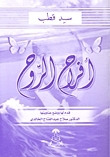
أفراح الروح PDF - Sayyid Qutb
Sayyid Qutb • literature • 39 Pages
(0)
Quate
Review
Save
Share
Book Description
كتاب «أفراح الروح» للمفكر والأديب سيد قطب هو عمل يجمع عددًا من المقالات والتأملات الأدبية والفكرية التي تعكس الجانب الوجداني والروحي في شخصية المؤلف، بعيدًا عن كتاباته ذات الطابع الحركي أو التفسيري. صدر الكتاب عن دار الشروق ضمن سلسلة إعادة نشر مؤلفات سيد قطب، ويضم نصوصًا كتبها في مراحل مختلفة من حياته، حيث يمتزج الأسلوب الأدبي بالتأمل الإيماني والنظرة الإنسانية إلى الحياة. ويُعد الكتاب من الأعمال التي تكشف عن الحس الأدبي الرفيع الذي عُرف به سيد قطب قبل أن يتجه بصورة أكبر إلى الكتابات الإسلامية والفكرية.
تتمحور الفكرة الأساسية في «أفراح الروح» حول البحث عن المعاني العميقة للحياة، وكيف يمكن للإنسان أن يجد السعادة الحقيقية من خلال صفاء النفس، والتأمل في الكون، وتعزيز العلاقة بالله والقيم الأخلاقية. لا يقدم الكتاب قصة روائية ذات أحداث متسلسلة، بل يتكون من مقالات وخواطر تتناول موضوعات مثل الجمال، والإيمان، والطمأنينة، والأمل، والإنسان، والطبيعة، وقيمة المشاعر الصادقة. ينتقل الكاتب بين هذه الموضوعات بأسلوب أدبي رقيق، مستعينًا بالصور البلاغية والتعبيرات الوجدانية التي تمنح النصوص طابعًا تأمليًا مميزًا.
يأخذ القارئ في رحلة فكرية وروحية، حيث يدعوه إلى التوقف أمام تفاصيل الحياة اليومية والنظر إليها بمنظور مختلف. ويبرز سيد قطب أهمية الإيمان في تحقيق التوازن النفسي، ويرى أن الروح لا تبلغ سعادتها إلا عندما ترتبط بالقيم السامية وتتحرر من الانشغال المفرط بالماديات. كما يناقش أثر الجمال في تهذيب النفس، سواء كان جمال الطبيعة أو جمال الأخلاق أو جمال العلاقات الإنسانية، ويؤكد أن هذه المعاني ليست ترفًا فكريًا، بل جزء من بناء الإنسان المتوازن.
يناسب هذا الكتاب القراء الذين يفضلون الأدب التأملي والخواطر الفكرية، وكذلك المهتمين بالتعرف إلى الجانب الأدبي في إنتاج سيد قطب. كما سيجد فيه محبو المقالات الأدبية والكتابات الوجدانية مادة ثرية تجمع بين البلاغة العربية والطرح الفكري. أما من يبحث عن رواية ذات حبكة وأحداث متسلسلة، فقد لا يجد في هذا الكتاب ما يتوافق مع توقعاته، لأنه يعتمد على المقالة الأدبية أكثر من السرد القصصي.
من أبرز نقاط القوة في الكتاب لغته العربية الرفيعة وأسلوبه البياني الذي يعكس تمكن سيد قطب من أدوات الكتابة الأدبية. تمتاز النصوص بإيقاع هادئ وصور بلاغية جميلة، مع قدرة واضحة على ربط التأملات الروحية بالواقع الإنساني. كذلك يتميز الكتاب بصدق المشاعر وعمق الطرح، مما يجعل كثيرًا من أفكاره قابلة للتأمل حتى بعد سنوات طويلة من كتابتها. وفي المقابل، قد يرى بعض القراء أن كثافة اللغة الأدبية والإيقاع التأملي يجعل القراءة أبطأ مقارنة بالكتب الفكرية المباشرة، كما أن طبيعة المقالات المستقلة قد تمنح إحساسًا بعدم وجود تسلسل موضوعي صارم.
ما يميز «أفراح الروح» عن كثير من الكتب المشابهة أنه يجمع بين الأدب والإيمان دون أن يتحول إلى كتاب وعظي مباشر. فالكاتب يعتمد على التصوير الأدبي واستحضار التجربة الإنسانية أكثر من اعتماده على الأسلوب الخطابي، وهو ما يمنح النصوص طابعًا إنسانيًا وجماليًا خاصًا. كما يكشف الكتاب عن مرحلة مهمة من تطور أسلوب سيد قطب الأدبي، ويبرز اهتمامه باللغة والجمال والتأمل قبل أن تتجه كتاباته إلى التركيز بصورة أكبر على القضايا الفكرية والتفسيرية.
ينتمي الكتاب إلى السياق الثقافي والفكري الذي شهدته مصر والعالم العربي في النصف الأول من القرن العشرين، وهي فترة ازدهرت فيها المقالة الأدبية والتأملات الفكرية، وتأثر فيها كثير من الأدباء بالأسئلة المتعلقة بالإنسان والإيمان والنهضة والثقافة. ومن خلال هذا السياق، يقدم سيد قطب رؤية تمزج بين الحس الأدبي والرؤية الإسلامية، بما يعكس جانبًا مهمًا من مسيرته الفكرية والأدبية.
لم يُعرف عن كتاب «أفراح الروح» حصوله على جوائز أدبية بعينها، إلا أنه يُعد من الكتب التي تحظى باهتمام قراء سيد قطب والباحثين في تطور إنتاجه الأدبي. وبالنسبة لمن يرغب في اكتشاف وجه آخر للمؤلف بعيدًا عن أشهر مؤلفاته الفكرية، فإن هذا الكتاب يستحق القراءة، لما يقدمه من تأملات إنسانية ولغة أدبية راقية وأفكار تدعو إلى التأمل في النفس والحياة، مع إدراك أنه عمل أدبي تأملي أكثر منه كتابًا سرديًا أو بحثًا فكريًا تقليديًا.
Sayyid Qutb
Sayyid Qutb (1906–1966) was an Egyptian writer, literary critic, educator, poet, and influential Islamic thinker whose works have had a profound impact on modern Islamic thought. Born on October 9, 1906, in the village of Musha in Asyut Governorate, Egypt, Qutb grew up in a religious family and memorized the Quran at an early age. His early education and intellectual curiosity led him to pursue higher studies in Cairo, where he graduated from Dar al-Ulum, an institution specializing in Arabic language, literature, and education.
During the early years of his career, Sayyid Qutb worked as a teacher and later as an inspector in the Egyptian Ministry of Education. At that time, he was primarily known as a literary critic and author rather than a religious scholar. He wrote numerous essays on Arabic literature, poetry, and social issues, earning recognition for his analytical writing style and intellectual depth. His literary works reflected his concern for social justice, morality, and the cultural development of Egyptian society.
In the late 1940s, Qutb traveled to the United States to study educational methods. His experiences abroad significantly influenced his worldview. Upon returning to Egypt, he became increasingly interested in Islamic reform and eventually joined the Muslim Brotherhood, where he emerged as one of its leading intellectual figures. His writings during this period focused on the relationship between Islam, society, politics, and morality.
Among his most well-known works is "In the Shade of the Qur'an" (Fi Zilal al-Qur'an), a multi-volume commentary on the Quran that combines religious interpretation with reflections on contemporary social and moral issues. Another notable work is "Milestones" (Ma'alim fi al-Tariq), a book in which he discussed his vision of Islamic society and the role of faith in shaping human life. These publications became highly influential in discussions of Islamic political thought and continue to be widely studied by scholars, historians, and students of religion.
Sayyid Qutb's life was closely connected with the political developments of Egypt during the 1950s and 1960s. Following political tensions between the Egyptian government and the Muslim Brotherhood, he was arrested and spent several years in prison. During his imprisonment, he continued writing and refining many of his ideas despite difficult conditions. In 1966, after being convicted by the Egyptian authorities on charges related to alleged conspiracy against the government, he was executed by hanging. His trial and execution remain subjects of historical and political debate.
Qutb's intellectual legacy is both influential and controversial. Many people regard him as an important Islamic writer whose works emphasize spiritual renewal, social justice, and the central role of religion in public life. Others have criticized aspects of his political thought, arguing that some of his ideas have been interpreted or adopted by later extremist groups. Scholars generally note that his writings have been understood in different ways across various historical, political, and religious contexts. As a result, his work continues to be the subject of extensive academic research, debate, and analysis.
Beyond his political and religious influence, Sayyid Qutb also made significant contributions to Arabic literature and literary criticism. His early essays demonstrated a deep appreciation for language, artistic expression, and cultural identity. Even today, researchers examine both his literary and religious writings to better understand the evolution of his ideas and their impact on modern intellectual history.
Overall, Sayyid Qutb remains one of the most significant and debated figures in twentieth-century Islamic thought. His books have been translated into numerous languages and continue to influence discussions on religion, politics, ethics, and society. Whether viewed as a literary figure, religious thinker, or political intellectual, his life and writings occupy an important place in the study of modern Middle Eastern history and Islamic intellectual traditions.
Earn Rewards While Reading!
Every 10 pages you read and spent 30 seconds on every page, earns you 5 reward points! Keep reading to unlock achievements and exclusive benefits.
Read
Rate Now
5 Stars
4 Stars
3 Stars
2 Stars
1 Stars
أفراح الروح Quotes
Top Rated
Latest
Quate
Be the first to leave a quote and earn 10 points
instead of 3
'%20/%3e%3c/svg%3e "معالم في الطريق")
Comments
Be the first to leave a comment and earn 5 points
instead of 3