

The source of the book
This book is published for the public benefit under a Creative Commons license, or with the permission of the author or publisher. If you have any objections to its publication, please contact us.
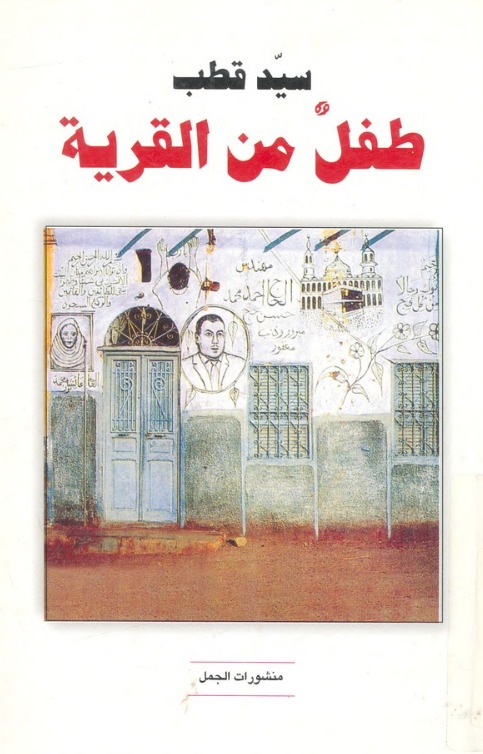
طفل من القرية PDF - Sayyid Qutb
Sayyid Qutb • literature • 106 Pages
(0)
Quate
Review
Save
Share
Book Description
يُعد طفل من القرية من أبرز الأعمال السيرية للأديب والمفكر سيد قطب، وقد نُشر لأول مرة عام 1946 عن دار الشروق في إحدى أشهر طبعاته المتداولة لاحقًا، بينما صدرت له طبعات متعددة عن دور نشر مختلفة على مر السنين. ينتمي الكتاب إلى أدب السيرة الذاتية، ويستعيد فيه سيد قطب سنوات طفولته في إحدى قرى صعيد مصر خلال العقود الأولى من القرن العشرين، مقدمًا صورة نابضة بالحياة للمجتمع الريفي وعاداته وتقاليده وعلاقاته الإنسانية. ولا يكتفي المؤلف بسرد ذكرياته الشخصية، بل يحولها إلى تأملات اجتماعية وثقافية تكشف ملامح البيئة التي أسهمت في تكوين شخصيته الفكرية والأدبية.
يعتمد الكتاب على أسلوب أدبي رشيق يجمع بين الوصف الدقيق واللغة التصويرية، فينقل للقارئ تفاصيل الحياة اليومية في القرية، مثل التعليم في الكُتّاب، والمناسبات الاجتماعية، والأعياد، والعلاقات الأسرية، وحياة الفلاحين، إضافة إلى مشاهد الطبيعة التي تحتل مساحة بارزة في السرد. ومن خلال هذه الذكريات، يرسم المؤلف صورة لطفل يكتشف العالم تدريجيًا، ويتأثر بما يحيط به من قيم ومواقف وتجارب، قبل أن ينطلق لاحقًا إلى مراحل أخرى من حياته.
الفكرة الرئيسة للكتاب تتمثل في استكشاف أثر الطفولة والبيئة الأولى في تشكيل شخصية الإنسان. ويبرز سيد قطب كيف أن التجارب البسيطة، والأحداث اليومية، والأشخاص الذين يلتقي بهم الطفل، يمكن أن يتركوا أثرًا عميقًا يمتد إلى مراحل العمر اللاحقة. كما يقدم الكتاب توثيقًا أدبيًا للحياة الريفية المصرية في زمن شهد تحولات اجتماعية وثقافية مهمة، مما يمنحه قيمة تاريخية إلى جانب قيمته الأدبية.
يناسب طفل من القرية القراء المهتمين بالسير الذاتية، والأدب العربي الحديث، والدراسات الاجتماعية والثقافية، وكذلك من يرغبون في التعرف على ملامح الحياة في الريف المصري خلال النصف الأول من القرن العشرين. وقد يجد طلاب الأدب والباحثون في التاريخ الاجتماعي مادة ثرية لفهم البيئة التي نشأ فيها الكاتب، بينما سيستمتع القارئ العام بلغته الأدبية وصوره الإنسانية.
من أبرز نقاط قوة الكتاب صدقه في استحضار الذكريات، وثراء أوصافه، وقدرته على تحويل التفاصيل اليومية إلى مشاهد أدبية مؤثرة. كما يتميز بلغته العربية الفصيحة التي تعكس تمكن سيد قطب من أدواته الأدبية قبل أن يُعرف أساسًا بكتاباته الفكرية. وفي المقابل، قد يرى بعض القراء أن كثرة الوصف والإيقاع الهادئ يجعلان السرد أبطأ من الروايات الحديثة، كما أن الكتاب يركز على التأمل والاسترجاع أكثر من اعتماده على حبكة درامية متصاعدة.
ما يميز طفل من القرية عن كثير من كتب السيرة الذاتية العربية أنه لا يقتصر على تسجيل الأحداث الشخصية، بل يقدم صورة واسعة للمجتمع المصري في تلك المرحلة، فيغدو شهادة ثقافية واجتماعية بقدر ما هو سيرة ذاتية. ويقترب في بعض جوانبه من الأعمال التي توثق الطفولة والبيئة المحلية، لكنه يحتفظ بصوته الأدبي الخاص وأسلوبه الوصفي المميز.
يستحق الكتاب القراءة لكل من يهتم بالأدب العربي الكلاسيكي الحديث أو بتاريخ المجتمع المصري، فهو يجمع بين المتعة الأدبية والقيمة التوثيقية، ويقدم تجربة قراءة هادئة وغنية بالتفاصيل الإنسانية. ورغم مرور عقود على صدوره، لا يزال قادرًا على جذب القراء بفضل صدقه الفني وقدرته على استحضار عالم الطفولة والقرية المصرية بأسلوب أدبي رفيع.
أما من حيث السياق الثقافي، فقد صدر الكتاب في فترة ازدهر فيها أدب السيرة الذاتية في العالم العربي، حيث اتجه عدد من الأدباء إلى تسجيل تجاربهم الشخصية بوصفها نافذة لفهم المجتمع وتحولاته. ويُنظر إلى الكتاب بوصفه جزءًا من الإنتاج الأدبي المبكر لسيد قطب، قبل أن تتجه كتاباته لاحقًا إلى القضايا الفكرية والنقدية والدينية بصورة أكبر. ولم يُعرف عن الكتاب حصوله على جوائز أدبية محددة، إلا أنه يُعد من الأعمال البارزة في مسيرة مؤلفه، وما زال يحظى باهتمام القراء والباحثين بوصفه وثيقة أدبية وثقافية مهمة عن الريف المصري في النصف الأول من القرن العشرين.
Sayyid Qutb
Sayyid Qutb (1906–1966) was an Egyptian writer, literary critic, educator, poet, and influential Islamic thinker whose works have had a profound impact on modern Islamic thought. Born on October 9, 1906, in the village of Musha in Asyut Governorate, Egypt, Qutb grew up in a religious family and memorized the Quran at an early age. His early education and intellectual curiosity led him to pursue higher studies in Cairo, where he graduated from Dar al-Ulum, an institution specializing in Arabic language, literature, and education.
During the early years of his career, Sayyid Qutb worked as a teacher and later as an inspector in the Egyptian Ministry of Education. At that time, he was primarily known as a literary critic and author rather than a religious scholar. He wrote numerous essays on Arabic literature, poetry, and social issues, earning recognition for his analytical writing style and intellectual depth. His literary works reflected his concern for social justice, morality, and the cultural development of Egyptian society.
In the late 1940s, Qutb traveled to the United States to study educational methods. His experiences abroad significantly influenced his worldview. Upon returning to Egypt, he became increasingly interested in Islamic reform and eventually joined the Muslim Brotherhood, where he emerged as one of its leading intellectual figures. His writings during this period focused on the relationship between Islam, society, politics, and morality.
Among his most well-known works is "In the Shade of the Qur'an" (Fi Zilal al-Qur'an), a multi-volume commentary on the Quran that combines religious interpretation with reflections on contemporary social and moral issues. Another notable work is "Milestones" (Ma'alim fi al-Tariq), a book in which he discussed his vision of Islamic society and the role of faith in shaping human life. These publications became highly influential in discussions of Islamic political thought and continue to be widely studied by scholars, historians, and students of religion.
Sayyid Qutb's life was closely connected with the political developments of Egypt during the 1950s and 1960s. Following political tensions between the Egyptian government and the Muslim Brotherhood, he was arrested and spent several years in prison. During his imprisonment, he continued writing and refining many of his ideas despite difficult conditions. In 1966, after being convicted by the Egyptian authorities on charges related to alleged conspiracy against the government, he was executed by hanging. His trial and execution remain subjects of historical and political debate.
Qutb's intellectual legacy is both influential and controversial. Many people regard him as an important Islamic writer whose works emphasize spiritual renewal, social justice, and the central role of religion in public life. Others have criticized aspects of his political thought, arguing that some of his ideas have been interpreted or adopted by later extremist groups. Scholars generally note that his writings have been understood in different ways across various historical, political, and religious contexts. As a result, his work continues to be the subject of extensive academic research, debate, and analysis.
Beyond his political and religious influence, Sayyid Qutb also made significant contributions to Arabic literature and literary criticism. His early essays demonstrated a deep appreciation for language, artistic expression, and cultural identity. Even today, researchers examine both his literary and religious writings to better understand the evolution of his ideas and their impact on modern intellectual history.
Overall, Sayyid Qutb remains one of the most significant and debated figures in twentieth-century Islamic thought. His books have been translated into numerous languages and continue to influence discussions on religion, politics, ethics, and society. Whether viewed as a literary figure, religious thinker, or political intellectual, his life and writings occupy an important place in the study of modern Middle Eastern history and Islamic intellectual traditions.
Earn Rewards While Reading!
Every 10 pages you read and spent 30 seconds on every page, earns you 5 reward points! Keep reading to unlock achievements and exclusive benefits.
Read
Rate Now
5 Stars
4 Stars
3 Stars
2 Stars
1 Stars
طفل من القرية Quotes
Top Rated
Latest
Quate
Be the first to leave a quote and earn 10 points
instead of 3
'%20/%3e%3c/svg%3e "معالم في الطريق")
Comments
Be the first to leave a comment and earn 5 points
instead of 3