

The source of the book
This book is published for the public benefit under a Creative Commons license, or with the permission of the author or publisher. If you have any objections to its publication, please contact us.
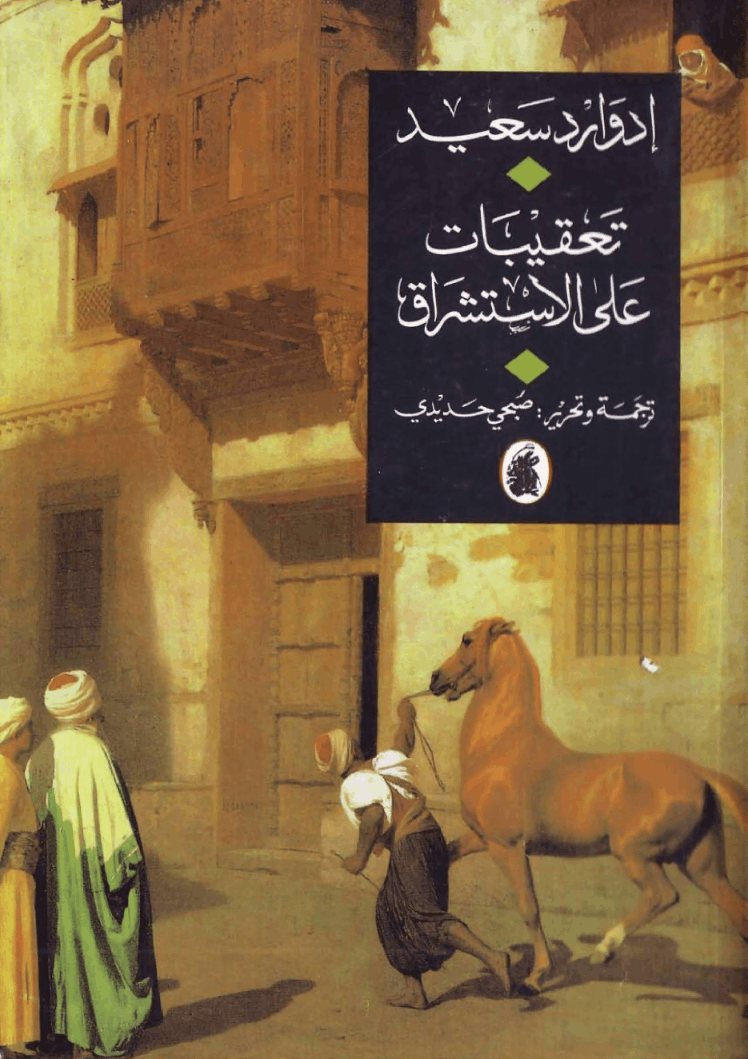
تعقيبات على الأستشراق PDF - Edward Said
Edward Said • Politics • 164 Pages
(0)
Quate
Review
Save
Share
Book Description
تعقيبات على الاستشراق هو كتاب للمفكر والناقد الفلسطيني الأمريكي إدوارد سعيد، ويُعد من النصوص المكملة لمشروعه الفكري حول نقد الخطاب الاستشراقي. صدر الكتاب لأول مرة باللغة الإنجليزية بعنوان Reflections on Exile and Other Essays؟ لا، بل إن تعقيبات على الاستشراق (Orientalism Reconsidered / Afterword and related responses) في ترجمته العربية يجمع مقالات وتعقيبات كتبها سعيد في مراحل لاحقة ردًا على النقاشات والانتقادات التي أثارها كتابه الشهير الاستشراق. وقد صدرت الطبعة العربية عن دار الآداب في بيروت. ويهدف الكتاب إلى توضيح بعض الأفكار التي أسيء فهمها، ومواصلة النقاش حول العلاقة بين المعرفة والسلطة وتمثيل الشرق في الفكر الغربي.
يركز تعقيبات على الاستشراق على إعادة قراءة الأفكار الأساسية التي طرحها إدوارد سعيد في كتابه الأشهر الاستشراق، مع تقديم توضيحات وتفسيرات إضافية في ضوء النقاش الأكاديمي الذي تبع صدوره. يناقش المؤلف كيفية تشكل صورة الشرق داخل المؤسسات الثقافية والسياسية الغربية، ويرى أن هذه الصورة لم تكن محايدة أو موضوعية، بل ارتبطت بتاريخ طويل من الهيمنة الاستعمارية والمصالح السياسية. ويؤكد أن نقده لم يكن موجهًا إلى الغرب بوصفه كيانًا ثقافيًا واحدًا، ولا إلى الدراسات الشرقية بأكملها، وإنما إلى الخطابات التي أسهمت في إنتاج صور نمطية عن الشعوب الشرقية.
يتناول الكتاب أيضًا الانتقادات التي وُجهت إلى مشروع سعيد، سواء من باحثين غربيين أو من مفكرين عرب، ويجيب عنها بأسلوب تحليلي يعتمد على الأمثلة التاريخية والنصوص الأدبية والفكرية. كما يوضح أن مفهوم الاستشراق ليس مجرد تخصص أكاديمي، بل منظومة معرفية وثقافية تؤثر في السياسة والإعلام والأدب، وهو ما يجعل دراسة هذا المفهوم ضرورية لفهم العلاقات بين الشرق والغرب في العصر الحديث.
يتميز أسلوب إدوارد سعيد في هذا الكتاب بالجمع بين العمق الفكري والقدرة على ربط الفلسفة والتاريخ والنقد الأدبي والسياسة في إطار واحد. وعلى الرغم من أن الكتاب يتطلب قدرًا من التركيز بسبب كثافة أفكاره وإحالته إلى أسماء ونظريات متعددة، فإنه يقدم مادة ثرية للقارئ الراغب في فهم تطور مشروع سعيد الفكري. ولا يعتمد المؤلف على الخطابة أو الشعارات، بل يستند إلى تحليل النصوص والسياقات التاريخية، مع الحرص على توضيح الفروق الدقيقة بين النقد الثقافي والنقد السياسي.
يناسب تعقيبات على الاستشراق طلاب الجامعات والباحثين في الدراسات الثقافية والأدب المقارن والتاريخ والفكر السياسي، كما يناسب القراء المهتمين بفهم صورة الشرق في الثقافة الغربية والنقاشات التي أثارها كتاب الاستشراق. وقد يجد القارئ المبتدئ بعض الصعوبة إذا لم يكن مطلعًا على الأفكار الأساسية التي طرحها سعيد سابقًا، لذلك يُفضل قراءة الاستشراق أولًا أو امتلاك معرفة عامة بموضوعه.
من أبرز نقاط قوة الكتاب أنه يوضح كثيرًا من الالتباسات التي أحاطت بمشروع إدوارد سعيد، ويقدم ردودًا مدروسة على منتقديه، كما يوسع النقاش ليشمل قضايا الهوية والثقافة والسلطة وتمثيل الآخر. أما من نقاط الضعف المحتملة، فإن كثرة الإحالات الأكاديمية واعتماد المؤلف على نقاشات فكرية متخصصة قد تجعل القراءة أقل سلاسة بالنسبة للقارئ العام.
ما يميز تعقيبات على الاستشراق عن الكتب المشابهة أنه لا يكتفي بإعادة عرض الأفكار السابقة، بل يكشف كيف تطورت رؤية سعيد مع مرور الوقت، وكيف تعامل مع النقد الذي وُجه إليه، مما يمنح القارئ فهمًا أكثر اكتمالًا لمشروعه الفكري. ويُعد الكتاب إضافة مهمة لكل من يرغب في دراسة أثر الاستشراق في تشكيل المعرفة والسياسات الحديثة، كما يساعد على فهم استمرار تأثير الخطابات الثقافية في العلاقات الدولية.
يقع الكتاب ضمن سياق فكري وثقافي شهد تصاعد الاهتمام بدراسات ما بعد الاستعمار ونقد المركزية الأوروبية، وقد أسهمت أعمال إدوارد سعيد، بما فيها هذا الكتاب، في التأثير على حقول متعددة مثل النقد الأدبي، والدراسات الثقافية، والعلوم السياسية، والتاريخ. ورغم أن تعقيبات على الاستشراق لم يُعرف بحصوله على جوائز مستقلة، فإنه يُعد جزءًا من المشروع الفكري الذي جعل إدوارد سعيد أحد أبرز المفكرين تأثيرًا في الإنسانيات خلال العقود الأخيرة، ولا يزال مرجعًا مهمًا في النقاشات المتعلقة بالهوية والثقافة والتمثيل.
Edward Said
Edward Wadie Said (1 November 1935 – 24 September 2003) was a Palestinian-American literary critic, cultural theorist, public intellectual, and one of the most influential scholars in the fields of comparative literature and postcolonial studies. Born in Jerusalem, then under the British Mandate for Palestine, he spent much of his childhood between Jerusalem and Cairo before moving to the United States for his higher education. Throughout his career, Said wrote primarily in English and became internationally recognized for his groundbreaking analysis of the relationship between culture, literature, imperialism, and political power. His academic work transformed literary criticism and the humanities while also making him one of the most prominent advocates for Palestinian rights in the Western world.
Said was born into a Christian Palestinian family. His father, Wadie Said, was a successful businessman who had served in the United States Army during World War I and later became an American citizen, while his mother, Hilda Musa Said, came from a Lebanese-Palestinian background. Growing up in Jerusalem and Cairo exposed him to multiple cultures, languages, and political realities. This multicultural upbringing deeply influenced his understanding of identity, displacement, and colonialism—subjects that would later become central themes in his scholarship.
He attended elite schools in Cairo before being sent to the United States to complete his education. Said earned a Bachelor of Arts degree from Princeton University in 1957 and later completed both his Master of Arts and Doctor of Philosophy (Ph.D.) degrees in English Literature at Harvard University. His doctoral studies focused on literary criticism and the works of major Western authors, laying the foundation for his distinguished academic career.
In 1963, Edward Said joined the faculty of Columbia University in New York City, where he taught English and Comparative Literature for nearly four decades. He eventually became University Professor, Columbia's highest academic rank. During his time at Columbia, Said developed a reputation as an exceptional lecturer, rigorous scholar, and influential mentor. He also held visiting positions at prestigious institutions such as Harvard University, Yale University, Johns Hopkins University, and Stanford University.
Said's writing style combined literary analysis, philosophy, history, politics, and cultural criticism. Drawing inspiration from thinkers such as Michel Foucault, Antonio Gramsci, Erich Auerbach, and Giambattista Vico, he argued that literature cannot be separated from the political and historical contexts in which it is produced. His works challenged traditional Western academic perspectives by exposing how knowledge and power often reinforce one another.
His most influential book, Orientalism (1978), fundamentally changed the study of the Middle East, colonialism, and literary criticism. In this landmark work, Said argued that Western representations of the "Orient"—including the Middle East, North Africa, and parts of Asia—had historically been shaped by stereotypes, prejudice, and imperial interests rather than objective scholarship. He demonstrated how literature, travel writing, art, and academic studies contributed to constructing an image of the East as exotic, backward, irrational, and inferior, thereby justifying European colonial domination. Orientalism became one of the foundational texts of postcolonial studies and remains widely discussed across numerous academic disciplines.
Among his other major publications are The Question of Palestine (1979), Covering Islam (1981), Culture and Imperialism (1993), Representations of the Intellectual (1994), Out of Place (1999), his acclaimed memoir, and Humanism and Democratic Criticism (2004), published posthumously. These works explore themes including colonialism, nationalism, exile, identity, media representation, intellectual responsibility, and the enduring legacy of empire.
In addition to his academic work, Said was an outspoken political commentator and advocate for Palestinian self-determination. He frequently wrote essays for newspapers and magazines, delivered public lectures worldwide, and participated in debates about the Israeli-Palestinian conflict. Although admired by many for his courage and intellectual independence, his political positions also made him a controversial figure in both academic and public life.
Edward Said was also an accomplished pianist and a passionate supporter of music. Together with Israeli conductor Daniel Barenboim, he co-founded the West–Eastern Divan Orchestra in 1999. The orchestra brought together young musicians from Israel, Palestine, and several Arab countries to promote dialogue, cooperation, and mutual understanding through music. This initiative reflected Said's belief that culture and the arts could foster communication even in the midst of political conflict.
Throughout his career, Said received numerous honorary degrees and academic distinctions from universities around the world. Although he did not receive major literary awards in the traditional sense, his scholarly influence was extraordinary. Orientalism alone has been translated into dozens of languages and has shaped generations of scholars working in literature, history, anthropology, sociology, political science, and cultural studies.
Several quotations from Edward Said have become widely cited, including: "Humanism is centered upon the agency of human individuality," "Exile is strangely compelling to think about but terrible to experience," and "The role of the intellectual is to speak the truth to power." These statements reflect his lifelong commitment to critical inquiry, moral responsibility, and intellectual independence.
Edward Said died in New York City on 24 September 2003 after a long battle with leukemia. He was 67 years old. Despite his passing, his intellectual legacy continues to influence scholars, students, writers, and activists across the globe. His pioneering work reshaped the study of literature, culture, and colonialism while encouraging readers to question dominant narratives and examine the complex relationships between knowledge, representation, and power. Today, Edward Said remains one of the defining public intellectuals of the twentieth century, whose ideas continue to inspire critical thinking and cross-cultural dialogue.
Earn Rewards While Reading!
Every 10 pages you read and spent 30 seconds on every page, earns you 5 reward points! Keep reading to unlock achievements and exclusive benefits.
Read
Rate Now
5 Stars
4 Stars
3 Stars
2 Stars
1 Stars
تعقيبات على الأستشراق Quotes
Top Rated
Latest
Quate
Be the first to leave a quote and earn 10 points
instead of 3
'%20/%3e%3c/svg%3e "تغطية الإسلام")
Comments
Be the first to leave a comment and earn 5 points
instead of 3