

The source of the book
This book is published for the public benefit under a Creative Commons license, or with the permission of the author or publisher. If you have any objections to its publication, please contact us.
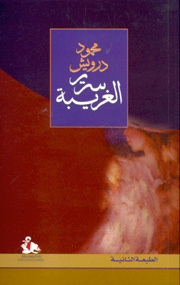
سرير الغريبة PDF - Mahmoud Darwish
Mahmoud Darwish • literature • 58 Pages
(0)
Quate
Review
Save
Share
Book Description
صدر كتاب «سرير الغريبة» للشاعر الفلسطيني محمود درويش عام 1999 عن رياض الريس للكتب والنشر، ويُعد واحدًا من أبرز دواوينه الشعرية في مرحلة النضج الفني والفكري. يمثل الديوان تحولًا ملحوظًا في تجربة درويش، إذ ينتقل فيه من التركيز المباشر على القضايا الوطنية والسياسية إلى مساحة أكثر حميمية تتناول الحب والغياب والذاكرة والزمن، مع احتفاظه بخلفيته الإنسانية والفلسفية التي تميز مجمل أعماله. وقد لاقى الديوان اهتمامًا واسعًا من النقاد والقراء، وأصبح من أكثر أعمال محمود درويش تداولًا لما يحمله من لغة شعرية رفيعة ورؤية إنسانية عميقة.
تدور الفكرة الرئيسة في «سرير الغريبة» حول العلاقة بين الحب والوجود، حيث يعالج محمود درويش تجربة العشق بوصفها وسيلة لاكتشاف الذات والآخر، وليس مجرد علاقة عاطفية تقليدية. تتداخل في القصائد مفاهيم الغربة والحنين والهوية والوقت، لتشكل لوحة شعرية تجمع بين الواقع والحلم، وبين الحضور والغياب. ويمنح الشاعر للحبيبة بعدًا رمزيًا يتجاوز شخصًا بعينه، فتغدو صورةً للجمال والحياة والبحث الدائم عن المعنى، بينما يتحول الحب إلى تجربة وجودية تتقاطع مع أسئلة الإنسان حول المصير والذاكرة.
لا يقدم الديوان أحداثًا متسلسلة كما هو الحال في الرواية، بل يتكون من مجموعة من القصائد التي ترتبط فيما بينها بخيط شعوري وفكري واحد. ينتقل الشاعر بين لحظات اللقاء والفراق، وبين التأمل في الزمن والجسد واللغة، مستخدمًا صورًا شعرية كثيفة وإيقاعًا هادئًا يعكس نضجه الفني. وتظهر في النصوص قدرة درويش على الجمع بين الرومانسية والفلسفة، بحيث تتحول التفاصيل اليومية إلى رموز إنسانية واسعة الدلالة، ويصبح الحب مدخلًا للتأمل في الحياة والموت والهوية.
يعد هذا الديوان مناسبًا لمحبي الشعر العربي الحديث، والقراء الذين يفضلون النصوص العميقة ذات البعد الإنساني والفلسفي. كما يناسب طلاب الأدب والباحثين في الشعر المعاصر، وكل من يرغب في التعرف إلى مرحلة متقدمة من تجربة محمود درويش الشعرية. أما القارئ الذي يفضل السرد المباشر أو اللغة البسيطة فقد يجد بعض القصائد بحاجة إلى قراءة متأنية بسبب كثافة الصور والاستعارات والإشارات الثقافية.
من أبرز نقاط القوة في «سرير الغريبة» لغته الشعرية الراقية، وثراء صوره البلاغية، وقدرته على التعبير عن المشاعر الإنسانية بلغة تجمع بين البساطة الظاهرة والعمق الدلالي. كما يتميز بإيقاع موسيقي متوازن، وبأسلوب يجعل القصائد قابلة للتأويل على مستويات متعددة، وهو ما يمنحها قيمة فنية طويلة الأمد. وفي المقابل، قد يرى بعض القراء أن كثافة الرموز والتأملات الفلسفية تجعل بعض المقاطع أقل سهولة، خصوصًا لمن ليست لديهم خبرة سابقة في قراءة الشعر الحديث.
ما يميز «سرير الغريبة» عن كثير من الدواوين العربية المعاصرة أنه يبتعد عن الخطاب العاطفي التقليدي، ويقدم رؤية للحب بوصفه تجربة معرفية ووجودية. كما يواصل محمود درويش فيه تطوير لغته الخاصة التي تمزج بين الشعر الكلاسيكي والحداثة، وتوازن بين الموسيقى الداخلية والصورة الشعرية المركبة، مما جعله من أبرز الأصوات الشعرية العربية في العصر الحديث.
يستحق هذا الديوان القراءة بلا شك، ليس فقط لمحبي محمود درويش، بل لكل من يبحث عن شعر يجمع بين الجمال اللغوي والعمق الفكري. فهو يقدم تجربة إنسانية تتجاوز حدود المكان والزمان، ويمنح القارئ فرصة للتأمل في الحب والذاكرة والهوية من منظور شعري ناضج. ويأتي الديوان ضمن السياق الثقافي للأدب العربي الحديث الذي شهد انتقال الشعر من التعبير المباشر إلى الرؤية الإنسانية الشاملة، وهو يمثل إحدى المحطات المهمة في تطور تجربة محمود درويش الإبداعية. ولم يحصل «سرير الغريبة» على جائزة أدبية محددة بوصفه ديوانًا مستقلًا، إلا أنه يعد من الأعمال التي رسخت المكانة الأدبية الرفيعة لمحمود درويش وأسهمت في تعزيز حضوره بوصفه أحد أهم شعراء العربية في القرن العشرين.
Mahmoud Darwish
Mahmoud Darwish was one of the most celebrated and influential poets in modern Arabic literature, widely recognized for transforming personal experience, cultural identity, and historical memory into poetry of extraordinary beauty and universal significance. Born on March 13, 1941, in the village of al-Birwa in Galilee, Palestine, Darwish experienced displacement at an early age after the events of 1948, a defining moment that profoundly shaped both his life and his literary vision. Throughout his remarkable career, Mahmoud Darwish became a powerful voice for the Palestinian people while simultaneously establishing himself as a poet whose work transcended national boundaries. His poetry explores themes of exile, homeland, memory, love, freedom, loss, hope, and the enduring search for human dignity, making his writings resonate with readers across cultures and generations.
Mahmoud Darwish began writing poetry at a young age and quickly gained recognition for his exceptional talent. His early works reflected the realities of occupation and displacement, giving expression to the struggles and aspirations of Palestinians living under difficult circumstances. Over time, however, his poetry evolved into a sophisticated and deeply philosophical body of work that addressed universal questions about identity, belonging, mortality, and the human condition. Rather than limiting himself to political expression, Darwish developed a poetic language rich in symbolism, metaphor, and lyrical elegance, allowing readers from diverse backgrounds to connect with his reflections on life, love, and history.
One of the defining characteristics of Mahmoud Darwish's writing is his ability to merge the personal with the collective. His poems often speak in an intimate voice while simultaneously representing the experiences of an entire people. This unique literary approach enabled him to transform the Palestinian experience into a universal narrative of displacement, resilience, and hope. His works invite readers to contemplate not only the realities of conflict but also the deeper emotional and philosophical dimensions of existence. Through carefully crafted imagery and rhythmic language, Darwish created poetry that is both intellectually profound and emotionally moving.
Throughout his literary career, Mahmoud Darwish published numerous acclaimed collections that have become classics of contemporary Arabic literature. Among his best-known works are Why Did You Leave the Horse Alone?, Memory for Forgetfulness, Mural, Unfortunately, It Was Paradise, State of Siege, The Butterfly's Burden, In the Presence of Absence, and A River Dies of Thirst. These books demonstrate the remarkable evolution of his poetic voice, moving from direct expressions of resistance to increasingly reflective meditations on time, memory, mortality, and artistic creation. His writings have been translated into dozens of languages, introducing international audiences to the richness and depth of modern Arabic poetry.
Mahmoud Darwish's influence extends far beyond literature. His poems have inspired musicians, visual artists, filmmakers, scholars, and readers around the world. Many of his verses have been adapted into songs performed by renowned Arab musicians, while his literary works continue to be studied in universities and academic institutions across the globe. His ability to articulate complex emotions through accessible yet sophisticated language has established him as one of the defining literary figures of the twentieth and twenty-first centuries. Critics frequently praise his mastery of metaphor, his innovative use of classical Arabic poetic traditions, and his ability to continually reinvent his artistic style throughout his career.
Although Mahmoud Darwish is often associated with Palestinian national identity, reducing his work solely to political poetry overlooks its remarkable literary richness. Love occupies a central place in his writings, appearing alongside reflections on beauty, memory, solitude, language, and mortality. His poems reveal a deep appreciation for nature, history, music, and human relationships, creating a body of work that speaks to readers regardless of their cultural or political background. His exploration of exile is not merely geographical but also existential, examining the emotional experience of searching for belonging in an ever-changing world.
Darwish received numerous prestigious literary honors during his lifetime in recognition of his extraordinary contribution to world literature. His works continue to receive critical acclaim for their artistic excellence, intellectual depth, and enduring relevance. Even after his passing in 2008, Mahmoud Darwish remains one of the most widely read Arabic poets in history. New generations continue to discover his poetry through translations, literary festivals, academic research, and digital platforms, ensuring that his voice remains vibrant and influential.
Today, Mahmoud Darwish is regarded not only as a national poet of Palestine but also as one of the greatest poets of modern world literature. His legacy rests on his extraordinary ability to transform historical experience into timeless art, blending lyrical beauty with philosophical insight and emotional honesty. Readers continue to return to his works because they offer more than historical testimony—they provide profound reflections on humanity, identity, hope, and the enduring power of language. Through his unforgettable poetry, Mahmoud Darwish has secured a permanent place among the world's most respected literary figures, leaving behind a body of work that continues to inspire, challenge, and move readers across continents and generations.
Earn Rewards While Reading!
Every 10 pages you read and spent 30 seconds on every page, earns you 5 reward points! Keep reading to unlock achievements and exclusive benefits.
Read
Rate Now
5 Stars
4 Stars
3 Stars
2 Stars
1 Stars
سرير الغريبة Quotes
Top Rated
Latest
Quate
Be the first to leave a quote and earn 10 points
instead of 3
'%20/%3e%3c/svg%3e "في حضرة الغياب")
Comments
Be the first to leave a comment and earn 5 points
instead of 3