

The source of the book
This book is published for the public benefit under a Creative Commons license, or with the permission of the author or publisher. If you have any objections to its publication, please contact us.
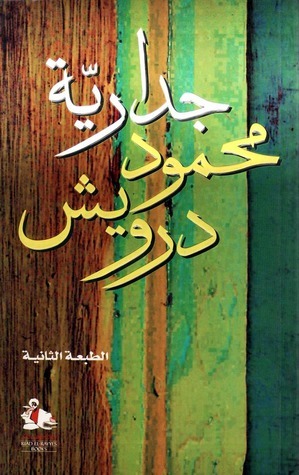
جدارية محمود درويش PDF - Mahmoud Darwish
Mahmoud Darwish • literature • 54 Pages
(0)
Quate
Review
Save
Share
Book Description
محمود درويش (1941–2008) هو أحد أبرز شعراء العربية في العصر الحديث، وقد شكّل حضوره الأدبي علامة فارقة في الشعر الفلسطيني والعالمي. صدرت «جدارية» عام 2000 عن دار رياض الريس للكتب والنشر، وهي قصيدة طويلة تُعد من أهم أعماله الشعرية في مرحلته المتأخرة. كتبها درويش بعد تجربة صحية قاسية خضع خلالها لعملية جراحية في القلب، فانعكس ذلك بوضوح على موضوعاتها التي تدور حول الحياة والموت والذاكرة والزمن والهوية، بعيدًا عن المباشرة والخطابة، في نص شعري يجمع بين التأمل الفلسفي والجمال اللغوي.
تقوم «جدارية» على حوار شعري عميق بين الإنسان وفكرة الفناء. لا تروي القصيدة أحداثًا بالمعنى التقليدي، بل تبني عالمها من خلال تدفق التأملات والصور والاستعارات، حيث يستعيد الشاعر سيرته، ويواجه الموت بوصفه حقيقة إنسانية لا مفر منها، ثم يحاول إعادة تعريف معنى الحياة والإبداع والوجود. ينتقل النص بين الذكريات والأسئلة الوجودية والإشارات الثقافية والتاريخية، فيمزج الخاص بالعام، والفردي بالإنساني، ليجعل من التجربة الشخصية مساحة للتأمل في مصير الإنسان كله.
تتناول «جدارية» موضوعات متعددة، أبرزها العلاقة بين الحياة والموت، وقوة الكلمة في مواجهة الفناء، والبحث عن الخلود عبر الفن والشعر. كما تحضر الهوية الفلسطينية في خلفية النص، ولكن بصورة أكثر رمزية وعمقًا مقارنة ببعض أعمال درويش السابقة، إذ يتجه اهتمام الشاعر إلى الأسئلة الكونية دون أن يتخلى عن جذوره الثقافية والوطنية. ويتميز العمل بكثافة الإحالات الأدبية والفلسفية والأسطورية، مما يمنحه مستويات متعددة من القراءة والتأويل.
يناسب هذا الكتاب القراء المهتمين بالشعر الحديث، والأدب الفلسفي، والنصوص التي تعتمد على الرمزية والتأمل أكثر من اعتمادها على السرد المباشر. كما سيجد فيه طلاب الأدب والنقاد والباحثون مادة غنية لتحليل اللغة والصورة الشعرية والبناء الفني. أما القارئ الذي يفضل القصائد السهلة أو السرد الواضح فقد يجد بعض المقاطع معقدة بسبب كثافة الرموز والإشارات الثقافية.
من أبرز نقاط قوة «جدارية» لغتها الشعرية الرفيعة، وإيقاعها المتماسك، وثراء صورها البلاغية، إضافة إلى قدرتها على تحويل تجربة شخصية مؤلمة إلى نص إنساني شامل. كما يتميز العمل بتوازن نادر بين العاطفة والفكر، فلا يطغى التأمل الفلسفي على الحس الشعري، ولا تتحول التجربة الذاتية إلى اعتراف مباشر. في المقابل، قد يرى بعض القراء أن كثافة الرموز والتناصات الأدبية تجعل النص بحاجة إلى قراءة متأنية، وربما إلى معرفة مسبقة ببعض المرجعيات الثقافية لفهم جميع أبعاده.
ما يميز «جدارية» عن كثير من الدواوين الشعرية العربية أنها ليست مجرد مجموعة قصائد، بل عمل شعري متكامل يقوم على وحدة موضوعية وإيقاعية وفكرية. وقد استطاع محمود درويش أن يخلق نصًا يجمع بين التجربة الذاتية والأسئلة الوجودية الكبرى، ليصبح من أبرز الأعمال الشعرية العربية المعاصرة التي تتجاوز حدود المكان والزمان. كما أن القصيدة تمثل مرحلة نضج فني في مسيرة الشاعر، حيث تتجلى خبرته اللغوية وقدرته على توظيف التراث العربي والعالمي داخل بنية شعرية حديثة.
يُعد الكتاب جديرًا بالقراءة لكل من يرغب في التعرف إلى تجربة محمود درويش في ذروة نضجه الإبداعي، أو يبحث عن شعر يجمع بين الجمال الفني والعمق الفكري. فرغم أن «جدارية» تتناول الموت بوصفه محورًا رئيسيًا، فإنها في جوهرها قصيدة تحتفي بالحياة، وبقدرة الإنسان على مقاومة الفناء عبر الإبداع والذاكرة والكلمة.
تأتي «جدارية» في سياق ثقافي وفكري ارتبط بتحولات الشعر العربي الحديث، حيث اتجه عدد من الشعراء إلى توسيع آفاق القصيدة لتصبح مساحة للتأمل الفلسفي والحوار مع التراث والإنسان. وفي هذا الإطار، تمثل القصيدة واحدة من أهم إنجازات محمود درويش، وقد حظيت بإشادة واسعة من النقاد والباحثين، وتُدرّس في العديد من الجامعات ضمن مقررات الأدب العربي الحديث. ورغم أن «جدارية» لم تُعرف بحصولها على جائزة مستقلة، فإنها تُعد من أبرز الأعمال التي عززت المكانة الأدبية العالمية لمحمود درويش، الذي نال خلال مسيرته العديد من الجوائز والتكريمات تقديرًا لإسهامه الكبير في الشعر العربي المعاصر.
Mahmoud Darwish
Mahmoud Darwish was one of the most celebrated and influential poets in modern Arabic literature, widely recognized for transforming personal experience, cultural identity, and historical memory into poetry of extraordinary beauty and universal significance. Born on March 13, 1941, in the village of al-Birwa in Galilee, Palestine, Darwish experienced displacement at an early age after the events of 1948, a defining moment that profoundly shaped both his life and his literary vision. Throughout his remarkable career, Mahmoud Darwish became a powerful voice for the Palestinian people while simultaneously establishing himself as a poet whose work transcended national boundaries. His poetry explores themes of exile, homeland, memory, love, freedom, loss, hope, and the enduring search for human dignity, making his writings resonate with readers across cultures and generations.
Mahmoud Darwish began writing poetry at a young age and quickly gained recognition for his exceptional talent. His early works reflected the realities of occupation and displacement, giving expression to the struggles and aspirations of Palestinians living under difficult circumstances. Over time, however, his poetry evolved into a sophisticated and deeply philosophical body of work that addressed universal questions about identity, belonging, mortality, and the human condition. Rather than limiting himself to political expression, Darwish developed a poetic language rich in symbolism, metaphor, and lyrical elegance, allowing readers from diverse backgrounds to connect with his reflections on life, love, and history.
One of the defining characteristics of Mahmoud Darwish's writing is his ability to merge the personal with the collective. His poems often speak in an intimate voice while simultaneously representing the experiences of an entire people. This unique literary approach enabled him to transform the Palestinian experience into a universal narrative of displacement, resilience, and hope. His works invite readers to contemplate not only the realities of conflict but also the deeper emotional and philosophical dimensions of existence. Through carefully crafted imagery and rhythmic language, Darwish created poetry that is both intellectually profound and emotionally moving.
Throughout his literary career, Mahmoud Darwish published numerous acclaimed collections that have become classics of contemporary Arabic literature. Among his best-known works are Why Did You Leave the Horse Alone?, Memory for Forgetfulness, Mural, Unfortunately, It Was Paradise, State of Siege, The Butterfly's Burden, In the Presence of Absence, and A River Dies of Thirst. These books demonstrate the remarkable evolution of his poetic voice, moving from direct expressions of resistance to increasingly reflective meditations on time, memory, mortality, and artistic creation. His writings have been translated into dozens of languages, introducing international audiences to the richness and depth of modern Arabic poetry.
Mahmoud Darwish's influence extends far beyond literature. His poems have inspired musicians, visual artists, filmmakers, scholars, and readers around the world. Many of his verses have been adapted into songs performed by renowned Arab musicians, while his literary works continue to be studied in universities and academic institutions across the globe. His ability to articulate complex emotions through accessible yet sophisticated language has established him as one of the defining literary figures of the twentieth and twenty-first centuries. Critics frequently praise his mastery of metaphor, his innovative use of classical Arabic poetic traditions, and his ability to continually reinvent his artistic style throughout his career.
Although Mahmoud Darwish is often associated with Palestinian national identity, reducing his work solely to political poetry overlooks its remarkable literary richness. Love occupies a central place in his writings, appearing alongside reflections on beauty, memory, solitude, language, and mortality. His poems reveal a deep appreciation for nature, history, music, and human relationships, creating a body of work that speaks to readers regardless of their cultural or political background. His exploration of exile is not merely geographical but also existential, examining the emotional experience of searching for belonging in an ever-changing world.
Darwish received numerous prestigious literary honors during his lifetime in recognition of his extraordinary contribution to world literature. His works continue to receive critical acclaim for their artistic excellence, intellectual depth, and enduring relevance. Even after his passing in 2008, Mahmoud Darwish remains one of the most widely read Arabic poets in history. New generations continue to discover his poetry through translations, literary festivals, academic research, and digital platforms, ensuring that his voice remains vibrant and influential.
Today, Mahmoud Darwish is regarded not only as a national poet of Palestine but also as one of the greatest poets of modern world literature. His legacy rests on his extraordinary ability to transform historical experience into timeless art, blending lyrical beauty with philosophical insight and emotional honesty. Readers continue to return to his works because they offer more than historical testimony—they provide profound reflections on humanity, identity, hope, and the enduring power of language. Through his unforgettable poetry, Mahmoud Darwish has secured a permanent place among the world's most respected literary figures, leaving behind a body of work that continues to inspire, challenge, and move readers across continents and generations.
Earn Rewards While Reading!
Every 10 pages you read and spent 30 seconds on every page, earns you 5 reward points! Keep reading to unlock achievements and exclusive benefits.
Read
Rate Now
5 Stars
4 Stars
3 Stars
2 Stars
1 Stars
جدارية محمود درويش Quotes
Top Rated
Latest
Quate
Be the first to leave a quote and earn 10 points
instead of 3
'%20/%3e%3c/svg%3e "في حضرة الغياب")
Comments
Be the first to leave a comment and earn 5 points
instead of 3