

The source of the book
This book is published for the public benefit under a Creative Commons license, or with the permission of the author or publisher. If you have any objections to its publication, please contact us.
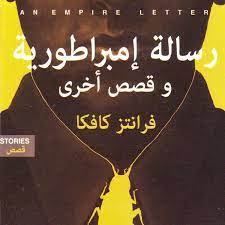
رسالة إمبراطورية وقصص أخرى PDF - Franz Kafka
Franz Kafka • literature • 204 Pages
(0)
Quate
Review
Save
Share
Book Description
كتاب «رسالة إمبراطورية وقصص أخرى» للكاتب فرانتس كافكا هو مجموعة قصصية مترجمة إلى العربية، صدرت طبعتها العربية عن دار الرافدين للطباعة والنشر والتوزيع سنة 2017، بترجمة رمضان مهلهل سدخان، وتقع في نحو 208 صفحات بحسب بيانات الإصدار المتاحة لدى منصات بيع الكتب العربية والكتاب ليس رواية واحدة ذات حبكة متصلة، بل مختارات من عالم كافكا القصصي، تجمع بين الحكاية الرمزية القصيرة والقصة الطويلة التي تكشف قلق الإنسان أمام السلطة، والقانون، والعائلة، والجسد، والذنب، والانتظار.
يضم الكتاب نصوصًا مثل «أمام القانون» و**«رسالة إمبراطورية»، إضافة إلى قصص أطول منها «وصف الكفاح» و«ترتيبات حفلة زواج في الريف»** و**«الحكم»** و**«المسخ»** و**«في مستعمرة العقاب»**، وهي عناوين تضع القارئ مباشرة داخل الجو الكافكاوي القائم على الغموض والضغط النفسي والرمز المفتوح. في هذه المجموعة، لا يعتمد فرانتس كافكا على التشويق التقليدي بقدر ما يبني مواقف تبدو بسيطة في ظاهرها، لكنها تتحول تدريجيًا إلى أسئلة وجودية عن معنى العدالة، وحدود الحرية، وعجز الفرد أمام أنظمة لا يفهمها.
في قصة «رسالة إمبراطورية»، ينطلق النص من صورة إمبراطور يرسل رسالة إلى إنسان عادي بعيد، لكن الرسالة لا تصل أبدًا بسبب اتساع القصر وتراكم الممرات والحشود والمسافات. تبدو القصة كحكاية رمزية عن الوعد المستحيل، أو عن المعنى الذي ينتظره الإنسان طوال حياته ولا يبلغه. أما «أمام القانون» فتقدم رجلًا ينتظر السماح له بالدخول إلى باب القانون، غير قادر على تجاوزه ولا على فهم سبب منعه. هنا يصبح القانون قوة غامضة، لا تُمارس عنفها بالصراخ، بل بالانتظار والتأجيل والرهبة.
في «المسخ»، وهي من أشهر قصص كافكا، يستيقظ غريغور سامسا ليجد نفسه قد تحول إلى حشرة ضخمة. لا ينشغل النص بشرح سبب التحول، بل يركز على آثاره داخل الأسرة: الخوف، الاشمئزاز، العبء الاقتصادي، وانهيار العلاقة بين الفرد ومن كانوا يعتمدون عليه. تكمن قوة القصة في أنها تجعل التحول الجسدي مرآة لعزلة نفسية واجتماعية أعمق، إذ يتحول غريغور من ابن عامل ومصدر رزق إلى كائن غير مرغوب فيه.
أما «الحكم» فتدور حول علاقة ابن بأبيه، وفيها يتصاعد الحوار العائلي إلى إدانة قاسية تحمل طابعًا شبه قضائي. القصة تكشف جانبًا مهمًا من عالم كافكا: السلطة قد تبدأ من البيت، من صوت الأب، ومن الشعور الداخلي بالذنب. وفي «في مستعمرة العقاب»، يصور كافكا آلة عقاب مروعة تنقش الحكم على جسد المحكوم عليه، في نقد رمزي لعنف المؤسسة حين يتحول القانون إلى طقس ميكانيكي بلا رحمة.
تمنح «رسالة إمبراطورية وقصص أخرى» القارئ مدخلًا مكثفًا إلى أدب فرانتس كافكا، حيث تتكرر صور الممرات المغلقة، والرسائل المؤجلة، والمحاكم الغامضة، والأجساد المعذبة، والشخصيات التي تبحث عن تفسير فلا تجد سوى مزيد من الالتباس. لذلك يصلح الكتاب لمن يريد قراءة كافكا عبر نصوص قصيرة ومتنوعة، لا لأنها تقدم إجابات نهائية، بل لأنها تترك القارئ أمام قلق إنساني عميق: ماذا يفعل الإنسان عندما يقف أمام سلطة لا يفهمها، أو رسالة لا تصل، أو قانون لا يفتح بابه؟
Franz Kafka
Franz Kafka (July 3, 1883 - June 3, 1924) was a Czech-Jewish writer who wrote in German, a pioneer of nightmare writing. He is considered one of the best German writers in the art of novel and short story. Kafka studied chemistry, law and literature at the German University in Prague (1901). He was born into a liberal Jewish family, and during his life he became close to Judaism. Learn Hebrew with a private teacher. Worked as an employee in the accident insurance company. He spent his spare time writing literature in which he saw the purpose and essence of his life. Few of his writings were published during his lifetime, most of which—including his unfinished great novels The Judgment and The Absent—were published after his death, by his close friend Max Brod, who did not respond to Kafka's request to exterminate all his writings. His life was filled with sadness and suffering, including his relationship with his father. Kafka was a sensitive intellectual who fell under the rule of a tyrannical and powerful father, about whom, he said, all his productions were written. He wrote his long letter under the title (A Letter to a Father). This is especially evident in his book (The Judgment), where the young man accepts the death sentence imposed on him by his father and drowns. Kafka was a vegetarian and loathed eating meat, and there are those who associate this with the profession of his grandfather, who was a butcher. Kafka was known as a difficult person to get things done, which is what distinguished his writing as he found it difficult to finish his productions. It is also worth noting that Kafka's writings were later burned by Hitler, and Kafka's writings were exposed to two contradictory positions on the communist countries in the last century, which began with ban and confiscation and ended with welcome and support. Kafka died on June 3, 1924, in a sanatorium, at the age of forty years and eleven months. His friend and physician, who took care of him in his last days, wrote: "His face was stern and stern, lofty, as was his mind pure and stern. The face of a king of the most noble and noble lineage."
Earn Rewards While Reading!
Every 10 pages you read and spent 30 seconds on every page, earns you 5 reward points! Keep reading to unlock achievements and exclusive benefits.
Read
Rate Now
5 Stars
4 Stars
3 Stars
2 Stars
1 Stars
رسالة إمبراطورية وقصص أخرى Quotes
Top Rated
Latest
Quate
Be the first to leave a quote and earn 10 points
instead of 3
'%20/%3e%3c/svg%3e "المحاكمة")
Comments
Be the first to leave a comment and earn 5 points
instead of 3