

The source of the book
This book is published for the public benefit under a Creative Commons license, or with the permission of the author or publisher. If you have any objections to its publication, please contact us.
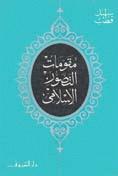
مقومات التصور الإسلامي PDF - Sayyid Qutb
Sayyid Qutb • Islam • 386 Pages
(0)
Quate
Review
Save
Share
Book Description
مقومات التصور الإسلامي هو أحد أبرز الكتب الفكرية التي ألّفها سيد قطب، وقد صدر لأول مرة في سبعينيات القرن العشرين بعد وفاة المؤلف، عن دار الشروق ضمن مشروعها لنشر تراثه الفكري. يتناول الكتاب الأسس التي يقوم عليها التصور الإسلامي للكون والإنسان والحياة، ويعد من أهم المؤلفات التي تعرض رؤية سيد قطب الفلسفية والفكرية للإسلام باعتباره منهجًا متكاملًا للحياة، وليس مجرد مجموعة من الشعائر أو الأحكام الفقهية.
يركز الكتاب على توضيح الخصائص الأساسية للتصور الإسلامي، مثل الربانية، والوحدة، والشمول، والتوازن، والإيجابية، والثبات مع المرونة. ويشرح المؤلف كيف يختلف التصور الإسلامي عن التصورات الفلسفية والمادية التي نشأت في الحضارات الحديثة، مؤكدًا أن الإسلام يقدم رؤية متناسقة تجمع بين الجانب الروحي والمادي للإنسان. كما يناقش العلاقة بين الإنسان وخالقه، ودور الإنسان في عمارة الأرض، ومفهوم العبادة بمعناها الواسع الذي يشمل مختلف جوانب الحياة.
لا يعتمد الكتاب على السرد أو الأحداث، لأنه عمل فكري وعقدي، وإنما يتدرج في عرض الأفكار وتحليلها، مستندًا إلى آيات القرآن الكريم مع مناقشات فلسفية وفكرية. ويهدف سيد قطب إلى بناء فهم متكامل للعقيدة الإسلامية باعتبارها أساسًا لتشكيل رؤية المسلم للعالم، كما ينتقد التصورات التي تفصل الدين عن الحياة أو تحصره في الجانب التعبدي فقط.
يناسب مقومات التصور الإسلامي القراء المهتمين بالفكر الإسلامي، وطلاب الدراسات الإسلامية، والباحثين في العقيدة والفلسفة الإسلامية، وكذلك من يرغب في التعرف على منهج سيد قطب الفكري. أما القارئ المبتدئ فقد يجد بعض الفصول كثيفة من الناحية الفكرية، نظرًا لاعتمادها على المصطلحات العقدية والمناقشات الفلسفية، مما يجعل الاستفادة منها أكبر لمن يمتلك خلفية أولية في الثقافة الإسلامية.
من أبرز نقاط قوة الكتاب عمق التحليل، وترابط الأفكار، والأسلوب الأدبي الذي اشتهر به سيد قطب، حيث يجمع بين البيان اللغوي والاستدلال القرآني. كما يتميز بمحاولته تقديم رؤية كلية للإسلام بوصفه منهجًا متكاملًا. وفي المقابل، قد يرى بعض القراء أن بعض المناقشات مطولة، وأن أسلوبه الخطابي يجعل الكتاب أقل سهولة مقارنة بالمؤلفات التعليمية المبسطة في العقيدة.
ويتميز الكتاب عن كثير من الكتب المشابهة بأنه لا يقتصر على شرح العقائد أو الرد على الشبهات، بل يسعى إلى بناء إطار فكري شامل يفسر من خلاله علاقة الإنسان بالكون والحياة والتشريع، وهو ما جعله مرجعًا مهمًا في الفكر الإسلامي المعاصر، سواء لدى المؤيدين لأطروحاته أو لدى الباحثين الذين يدرسونها بالنقد والتحليل.
يُعد الكتاب جديرًا بالقراءة لكل من يهتم بتاريخ الفكر الإسلامي الحديث وتطوره، مع الاستفادة من قراءته في سياقه التاريخي والفكري، ومقارنة أطروحاته بكتابات مفكرين آخرين في المجال نفسه. وقد جاء في مرحلة شهد فيها العالم العربي والإسلامي نقاشات واسعة حول الهوية، والحداثة، وعلاقة الدين بالدولة والمجتمع، وهو ما يفسر تركيز المؤلف على إبراز شمولية التصور الإسلامي وخصوصيته. ولم يُعرف عن الكتاب حصوله على جوائز أدبية أو فكرية، إلا أنه يُعد من أكثر مؤلفات سيد قطب حضورًا في الدراسات الأكاديمية والنقاشات الفكرية المتعلقة بالفكر الإسلامي في القرن العشرين.
Sayyid Qutb
Sayyid Qutb (1906–1966) was an Egyptian writer, literary critic, educator, poet, and influential Islamic thinker whose works have had a profound impact on modern Islamic thought. Born on October 9, 1906, in the village of Musha in Asyut Governorate, Egypt, Qutb grew up in a religious family and memorized the Quran at an early age. His early education and intellectual curiosity led him to pursue higher studies in Cairo, where he graduated from Dar al-Ulum, an institution specializing in Arabic language, literature, and education.
During the early years of his career, Sayyid Qutb worked as a teacher and later as an inspector in the Egyptian Ministry of Education. At that time, he was primarily known as a literary critic and author rather than a religious scholar. He wrote numerous essays on Arabic literature, poetry, and social issues, earning recognition for his analytical writing style and intellectual depth. His literary works reflected his concern for social justice, morality, and the cultural development of Egyptian society.
In the late 1940s, Qutb traveled to the United States to study educational methods. His experiences abroad significantly influenced his worldview. Upon returning to Egypt, he became increasingly interested in Islamic reform and eventually joined the Muslim Brotherhood, where he emerged as one of its leading intellectual figures. His writings during this period focused on the relationship between Islam, society, politics, and morality.
Among his most well-known works is "In the Shade of the Qur'an" (Fi Zilal al-Qur'an), a multi-volume commentary on the Quran that combines religious interpretation with reflections on contemporary social and moral issues. Another notable work is "Milestones" (Ma'alim fi al-Tariq), a book in which he discussed his vision of Islamic society and the role of faith in shaping human life. These publications became highly influential in discussions of Islamic political thought and continue to be widely studied by scholars, historians, and students of religion.
Sayyid Qutb's life was closely connected with the political developments of Egypt during the 1950s and 1960s. Following political tensions between the Egyptian government and the Muslim Brotherhood, he was arrested and spent several years in prison. During his imprisonment, he continued writing and refining many of his ideas despite difficult conditions. In 1966, after being convicted by the Egyptian authorities on charges related to alleged conspiracy against the government, he was executed by hanging. His trial and execution remain subjects of historical and political debate.
Qutb's intellectual legacy is both influential and controversial. Many people regard him as an important Islamic writer whose works emphasize spiritual renewal, social justice, and the central role of religion in public life. Others have criticized aspects of his political thought, arguing that some of his ideas have been interpreted or adopted by later extremist groups. Scholars generally note that his writings have been understood in different ways across various historical, political, and religious contexts. As a result, his work continues to be the subject of extensive academic research, debate, and analysis.
Beyond his political and religious influence, Sayyid Qutb also made significant contributions to Arabic literature and literary criticism. His early essays demonstrated a deep appreciation for language, artistic expression, and cultural identity. Even today, researchers examine both his literary and religious writings to better understand the evolution of his ideas and their impact on modern intellectual history.
Overall, Sayyid Qutb remains one of the most significant and debated figures in twentieth-century Islamic thought. His books have been translated into numerous languages and continue to influence discussions on religion, politics, ethics, and society. Whether viewed as a literary figure, religious thinker, or political intellectual, his life and writings occupy an important place in the study of modern Middle Eastern history and Islamic intellectual traditions.
Earn Rewards While Reading!
Every 10 pages you read and spent 30 seconds on every page, earns you 5 reward points! Keep reading to unlock achievements and exclusive benefits.
Read
Rate Now
5 Stars
4 Stars
3 Stars
2 Stars
1 Stars
مقومات التصور الإسلامي Quotes
Top Rated
Latest
Quate
Be the first to leave a quote and earn 10 points
instead of 3
'%20/%3e%3c/svg%3e "معالم في الطريق")
Comments
Be the first to leave a comment and earn 5 points
instead of 3