

The source of the book
This book is published for the public benefit under a Creative Commons license, or with the permission of the author or publisher. If you have any objections to its publication, please contact us.
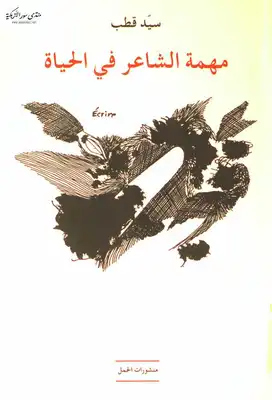
مهمة الشاعر في الحياة PDF - Sayyid Qutb
Sayyid Qutb • literature • 80 Pages
(0)
Quate
Review
Save
Share
Book Description
يُعد كتاب «مهمة الشاعر في الحياة» للمؤلف سيد قطب من الأعمال النقدية والفكرية التي تعكس اهتمامه المبكر بالأدب والنقد قبل انتقاله إلى الكتابات الإسلامية التي اشتهر بها لاحقًا. صدر الكتاب عن دار الشروق ضمن طبعاتها التي أعادت نشر عدد من مؤلفات سيد قطب الأدبية، بينما يعود تأليفه في الأصل إلى المرحلة التي كان فيها ناقدًا أدبيًا بارزًا في النصف الأول من القرن العشرين. ويناقش الكتاب مكانة الشاعر في المجتمع، ودوره في تشكيل الوجدان الإنساني، وتأثير الشعر في بناء القيم والأفكار، بعيدًا عن النظر إلى الشعر بوصفه مجرد وسيلة للترفيه أو الزينة اللغوية.
يرتكز الكتاب على فكرة رئيسية مفادها أن الشاعر يحمل رسالة ثقافية وأخلاقية، وأن الإبداع الحقيقي لا ينفصل عن الحياة وقضايا الإنسان. ويرى سيد قطب أن الشاعر ليس مجرد صانع للصور البلاغية، بل هو صاحب رؤية يستطيع أن يعبّر عن آمال المجتمع وآلامه، وأن يوقظ الحس الجمالي والفكري لدى القارئ. ومن خلال هذا التصور يناقش المؤلف العلاقة بين الفن والواقع، ويوازن بين قيمة الجمال الفني ومسؤولية الأديب تجاه مجتمعه.
لا يقوم الكتاب على سرد أحداث أو حبكة روائية، بل يتألف من مقالات وتأملات نقدية متتابعة تستعرض مفهوم الشعر ووظيفته، وتناقش طبيعة الإلهام، ودور الخيال، وأهمية الصدق الفني في العمل الأدبي. كما يعرض المؤلف رؤيته لعدد من القضايا المرتبطة بالنقد الأدبي، ويحلل مكانة الشعر في الحضارات المختلفة، مع الاستفادة من التراث العربي وبعض الاتجاهات النقدية الحديثة في عصره. ويلاحظ القارئ أن سيد قطب يسعى إلى الربط بين التجربة الإنسانية العامة والإبداع الشعري، مؤكدًا أن الشعر يكتسب قيمته من قدرته على التعبير عن الإنسان وقضاياه الكبرى.
يناسب هذا الكتاب طلاب الأدب العربي، والباحثين في تاريخ النقد الأدبي، والقراء المهتمين بتطور الفكر الأدبي في العالم العربي خلال القرن العشرين. كما يفيد من يرغب في التعرف إلى المرحلة الأدبية من حياة سيد قطب، والتي تختلف في موضوعاتها وأسلوبها عن مؤلفاته الإسلامية اللاحقة. أما القارئ الذي يبحث عن كتاب تعليمي مبسط في الشعر أو النقد، فقد يجد أن بعض الأفكار تتطلب معرفة مسبقة بالسياق الأدبي والثقافي الذي كُتب فيه.
من أبرز نقاط قوة الكتاب أسلوب سيد قطب الأدبي الذي يجمع بين البلاغة والوضوح، وقدرته على طرح قضايا فلسفية وأدبية بلغة مؤثرة. كما يتميز بربطه بين الفن والحياة، وهو طرح كان حاضرًا بقوة في النقاشات الأدبية في القرن العشرين. في المقابل، قد يشعر بعض القراء أن بعض الأحكام النقدية تعكس ظروف المرحلة التاريخية التي كُتب فيها الكتاب، أو أنها تقوم على رؤية ذاتية أكثر من اعتمادها على مناهج النقد الأكاديمي الحديثة، وهو أمر طبيعي في كثير من الكتب النقدية التي تنتمي إلى تلك الفترة.
ويتميز «مهمة الشاعر في الحياة» عن كثير من الكتب المشابهة بأنه لا يكتفي بتحليل الشعر من الناحية الفنية، بل يركز على الرسالة الإنسانية للشاعر ووظيفته الاجتماعية والثقافية. لذلك يظل الكتاب وثيقة مهمة لفهم اتجاهات النقد العربي الحديث، ويكشف جانبًا من تطور الفكر الأدبي عند سيد قطب قبل التحولات الفكرية التي عرف بها لاحقًا.
من الناحية الثقافية، ينتمي الكتاب إلى مرحلة شهدت ازدهار الحركة الأدبية العربية، واحتدام النقاش حول وظيفة الأدب وعلاقته بالمجتمع، في ظل التأثر بالمدارس النقدية الأوروبية وبروز دعوات إلى تجديد الشعر والأدب العربي. ويعكس الكتاب هذا المناخ الفكري من خلال دفاعه عن أهمية الأدب بوصفه قوة فاعلة في حياة الإنسان، وليس مجرد نشاط جمالي منفصل عن الواقع.
لا يُعرف عن هذا الكتاب حصوله على جوائز أدبية محددة، إلا أنه يُعد جزءًا من التراث النقدي لسيد قطب، ويكتسب أهميته من مكانة مؤلفه في تاريخ الأدب والفكر العربي. وبالنسبة لمن يهتم بالنقد الأدبي وتاريخ الأفكار، فإن قراءة «مهمة الشاعر في الحياة» تمثل فرصة للتعرف إلى رؤية نقدية مؤثرة، وإلى جانب مهم من إنتاج سيد قطب الأدبي، مع مراعاة قراءة الكتاب في سياقه التاريخي والثقافي لفهم أطروحاته على نحو أدق.
Sayyid Qutb
Sayyid Qutb (1906–1966) was an Egyptian writer, literary critic, educator, poet, and influential Islamic thinker whose works have had a profound impact on modern Islamic thought. Born on October 9, 1906, in the village of Musha in Asyut Governorate, Egypt, Qutb grew up in a religious family and memorized the Quran at an early age. His early education and intellectual curiosity led him to pursue higher studies in Cairo, where he graduated from Dar al-Ulum, an institution specializing in Arabic language, literature, and education.
During the early years of his career, Sayyid Qutb worked as a teacher and later as an inspector in the Egyptian Ministry of Education. At that time, he was primarily known as a literary critic and author rather than a religious scholar. He wrote numerous essays on Arabic literature, poetry, and social issues, earning recognition for his analytical writing style and intellectual depth. His literary works reflected his concern for social justice, morality, and the cultural development of Egyptian society.
In the late 1940s, Qutb traveled to the United States to study educational methods. His experiences abroad significantly influenced his worldview. Upon returning to Egypt, he became increasingly interested in Islamic reform and eventually joined the Muslim Brotherhood, where he emerged as one of its leading intellectual figures. His writings during this period focused on the relationship between Islam, society, politics, and morality.
Among his most well-known works is "In the Shade of the Qur'an" (Fi Zilal al-Qur'an), a multi-volume commentary on the Quran that combines religious interpretation with reflections on contemporary social and moral issues. Another notable work is "Milestones" (Ma'alim fi al-Tariq), a book in which he discussed his vision of Islamic society and the role of faith in shaping human life. These publications became highly influential in discussions of Islamic political thought and continue to be widely studied by scholars, historians, and students of religion.
Sayyid Qutb's life was closely connected with the political developments of Egypt during the 1950s and 1960s. Following political tensions between the Egyptian government and the Muslim Brotherhood, he was arrested and spent several years in prison. During his imprisonment, he continued writing and refining many of his ideas despite difficult conditions. In 1966, after being convicted by the Egyptian authorities on charges related to alleged conspiracy against the government, he was executed by hanging. His trial and execution remain subjects of historical and political debate.
Qutb's intellectual legacy is both influential and controversial. Many people regard him as an important Islamic writer whose works emphasize spiritual renewal, social justice, and the central role of religion in public life. Others have criticized aspects of his political thought, arguing that some of his ideas have been interpreted or adopted by later extremist groups. Scholars generally note that his writings have been understood in different ways across various historical, political, and religious contexts. As a result, his work continues to be the subject of extensive academic research, debate, and analysis.
Beyond his political and religious influence, Sayyid Qutb also made significant contributions to Arabic literature and literary criticism. His early essays demonstrated a deep appreciation for language, artistic expression, and cultural identity. Even today, researchers examine both his literary and religious writings to better understand the evolution of his ideas and their impact on modern intellectual history.
Overall, Sayyid Qutb remains one of the most significant and debated figures in twentieth-century Islamic thought. His books have been translated into numerous languages and continue to influence discussions on religion, politics, ethics, and society. Whether viewed as a literary figure, religious thinker, or political intellectual, his life and writings occupy an important place in the study of modern Middle Eastern history and Islamic intellectual traditions.
Earn Rewards While Reading!
Every 10 pages you read and spent 30 seconds on every page, earns you 5 reward points! Keep reading to unlock achievements and exclusive benefits.
Read
Rate Now
5 Stars
4 Stars
3 Stars
2 Stars
1 Stars
مهمة الشاعر في الحياة Quotes
Top Rated
Latest
Quate
Be the first to leave a quote and earn 10 points
instead of 3
'%20/%3e%3c/svg%3e "معالم في الطريق")
Comments
Be the first to leave a comment and earn 5 points
instead of 3