

The source of the book
This book is published for the public benefit under a Creative Commons license, or with the permission of the author or publisher. If you have any objections to its publication, please contact us.
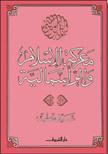
معركة الإسلام والرأسمالية PDF - Sayyid Qutb
Sayyid Qutb • Islam • 130 Pages
(0)
Quate
Review
Save
Share
Book Description
كتاب معركة الإسلام والرأسمالية هو أحد الكتب الفكرية المبكرة للمفكر والأديب سيد قطب، وقد صدر لأول مرة عام 1951 عن دار الفكر العربي في القاهرة. جاء الكتاب في مرحلة كان فيها الجدل محتدمًا حول النظم الاقتصادية والاجتماعية بعد الحرب العالمية الثانية، حيث سعى المؤلف إلى تقديم رؤية إسلامية للقضايا الاقتصادية والاجتماعية في مواجهة الرأسمالية السائدة آنذاك، مع نقده لبعض الممارسات الاقتصادية التي رأى أنها تؤدي إلى الظلم الاجتماعي. ويُعد هذا الكتاب من أبرز مؤلفات سيد قطب في مرحلته الفكرية المبكرة، قبل انتقاله إلى كتاباته التفسيرية والحركية اللاحقة.
يرتكز الكتاب على فكرة رئيسية مفادها أن الإسلام ليس مجرد عقيدة أو شعائر دينية، بل هو نظام متكامل للحياة يتضمن مبادئ اقتصادية واجتماعية تحقق العدالة والتوازن بين الفرد والمجتمع. ويناقش المؤلف أوجه القصور التي يراها في النظام الرأسمالي، مثل تركّز الثروة والاستغلال الاقتصادي، ويقارن ذلك بالمبادئ الإسلامية كالزكاة، وتحريم الربا، والتكافل الاجتماعي، وضمان الحقوق الأساسية للإنسان. وفي الوقت نفسه، يحاول إثبات أن الإسلام يقدم بديلًا مستقلًا عن الرأسمالية والشيوعية، وهو ما يعكس طبيعة النقاشات الفكرية التي كانت سائدة في العالم العربي خلال منتصف القرن العشرين.
لا يعتمد الكتاب على حبكة روائية أو أحداث متسلسلة، بل يتكون من فصول تحليلية يناقش فيها المؤلف قضايا الملكية، والعدالة الاجتماعية، ودور الدولة، والعلاقة بين الأخلاق والاقتصاد، مستندًا إلى النصوص الإسلامية وإلى قراءته للواقع الاجتماعي والسياسي في عصره. ويطرح رؤيته بأسلوب جدلي يعتمد على المقارنة والاستدلال أكثر من اعتماده على العرض الأكاديمي المحايد، مما يجعل الكتاب أقرب إلى الأدب الفكري والإصلاحي منه إلى الدراسات الاقتصادية المتخصصة.
يناسب هذا الكتاب القراء المهتمين بالفكر الإسلامي، وتاريخ الأفكار السياسية والاقتصادية في العالم العربي، وكذلك الباحثين في تطور فكر سيد قطب ومراحله المختلفة. كما يفيد طلاب الدراسات الإسلامية والفكر السياسي الراغبين في فهم أحد أبرز النصوص التي تناولت العلاقة بين الإسلام والأنظمة الاقتصادية الحديثة. أما من يبحث عن دراسة اقتصادية معاصرة قائمة على النظريات الحديثة والإحصاءات، فقد يجد أن الكتاب لا يلبي هذا الغرض، لأنه كُتب في سياق تاريخي مختلف وبأهداف فكرية وإصلاحية.
من أبرز نقاط القوة في الكتاب أسلوب سيد قطب الأدبي الواضح والمؤثر، وقدرته على الربط بين المبادئ الدينية والقضايا الاجتماعية، فضلًا عن عرضه المتماسك لفكرته الأساسية. كما يتميز بكونه وثيقة مهمة لفهم النقاشات الفكرية في مصر والعالم العربي خلال خمسينيات القرن الماضي. وفي المقابل، قد يرى بعض القراء أن بعض تحليلاته الاقتصادية تعكس ظروف زمنه أكثر مما تعكس الواقع الاقتصادي المعاصر، وأن الكتاب يتبنى موقفًا جدليًا واضحًا أكثر من كونه دراسة مقارنة تعتمد على مناهج الاقتصاد الحديثة.
ما يميز معركة الإسلام والرأسمالية عن كثير من الكتب المشابهة أنه لا يكتفي بانتقاد الرأسمالية، بل يحاول بناء تصور متكامل لنظام اجتماعي واقتصادي مستمد من المرجعية الإسلامية، وهو ما جعله من الكتب المؤثرة في مسار الفكر الإسلامي الحديث، سواء لدى المؤيدين أو لدى الباحثين الذين يدرسون تطور هذا التيار.
يبقى الكتاب جديرًا بالقراءة لمن يرغب في التعرف على تاريخ الفكر الإسلامي المعاصر، وفهم كيفية تناول قضية العدالة الاجتماعية والاقتصاد من منظور إسلامي في منتصف القرن العشرين. كما يمثل مرجعًا مهمًا لدراسة المرحلة المبكرة من إنتاج سيد قطب الفكري، قبل التحولات التي شهدتها كتاباته في سنواته اللاحقة. ولم يُعرف عن الكتاب حصوله على جوائز أدبية أو فكرية، إلا أنه احتفظ بمكانته بوصفه أحد أكثر كتب سيد قطب تداولًا في مجال الفكر الإسلامي، واستمر في إثارة النقاش بين الباحثين والمهتمين بالفكر السياسي والديني حتى اليوم.
Sayyid Qutb
Sayyid Qutb (1906–1966) was an Egyptian writer, literary critic, educator, poet, and influential Islamic thinker whose works have had a profound impact on modern Islamic thought. Born on October 9, 1906, in the village of Musha in Asyut Governorate, Egypt, Qutb grew up in a religious family and memorized the Quran at an early age. His early education and intellectual curiosity led him to pursue higher studies in Cairo, where he graduated from Dar al-Ulum, an institution specializing in Arabic language, literature, and education.
During the early years of his career, Sayyid Qutb worked as a teacher and later as an inspector in the Egyptian Ministry of Education. At that time, he was primarily known as a literary critic and author rather than a religious scholar. He wrote numerous essays on Arabic literature, poetry, and social issues, earning recognition for his analytical writing style and intellectual depth. His literary works reflected his concern for social justice, morality, and the cultural development of Egyptian society.
In the late 1940s, Qutb traveled to the United States to study educational methods. His experiences abroad significantly influenced his worldview. Upon returning to Egypt, he became increasingly interested in Islamic reform and eventually joined the Muslim Brotherhood, where he emerged as one of its leading intellectual figures. His writings during this period focused on the relationship between Islam, society, politics, and morality.
Among his most well-known works is "In the Shade of the Qur'an" (Fi Zilal al-Qur'an), a multi-volume commentary on the Quran that combines religious interpretation with reflections on contemporary social and moral issues. Another notable work is "Milestones" (Ma'alim fi al-Tariq), a book in which he discussed his vision of Islamic society and the role of faith in shaping human life. These publications became highly influential in discussions of Islamic political thought and continue to be widely studied by scholars, historians, and students of religion.
Sayyid Qutb's life was closely connected with the political developments of Egypt during the 1950s and 1960s. Following political tensions between the Egyptian government and the Muslim Brotherhood, he was arrested and spent several years in prison. During his imprisonment, he continued writing and refining many of his ideas despite difficult conditions. In 1966, after being convicted by the Egyptian authorities on charges related to alleged conspiracy against the government, he was executed by hanging. His trial and execution remain subjects of historical and political debate.
Qutb's intellectual legacy is both influential and controversial. Many people regard him as an important Islamic writer whose works emphasize spiritual renewal, social justice, and the central role of religion in public life. Others have criticized aspects of his political thought, arguing that some of his ideas have been interpreted or adopted by later extremist groups. Scholars generally note that his writings have been understood in different ways across various historical, political, and religious contexts. As a result, his work continues to be the subject of extensive academic research, debate, and analysis.
Beyond his political and religious influence, Sayyid Qutb also made significant contributions to Arabic literature and literary criticism. His early essays demonstrated a deep appreciation for language, artistic expression, and cultural identity. Even today, researchers examine both his literary and religious writings to better understand the evolution of his ideas and their impact on modern intellectual history.
Overall, Sayyid Qutb remains one of the most significant and debated figures in twentieth-century Islamic thought. His books have been translated into numerous languages and continue to influence discussions on religion, politics, ethics, and society. Whether viewed as a literary figure, religious thinker, or political intellectual, his life and writings occupy an important place in the study of modern Middle Eastern history and Islamic intellectual traditions.
Earn Rewards While Reading!
Every 10 pages you read and spent 30 seconds on every page, earns you 5 reward points! Keep reading to unlock achievements and exclusive benefits.
Read
Rate Now
5 Stars
4 Stars
3 Stars
2 Stars
1 Stars
معركة الإسلام والرأسمالية Quotes
Top Rated
Latest
Quate
Be the first to leave a quote and earn 10 points
instead of 3
'%20/%3e%3c/svg%3e "معالم في الطريق")
Comments
Be the first to leave a comment and earn 5 points
instead of 3