

The source of the book
This book is published for the public benefit under a Creative Commons license, or with the permission of the author or publisher. If you have any objections to its publication, please contact us.
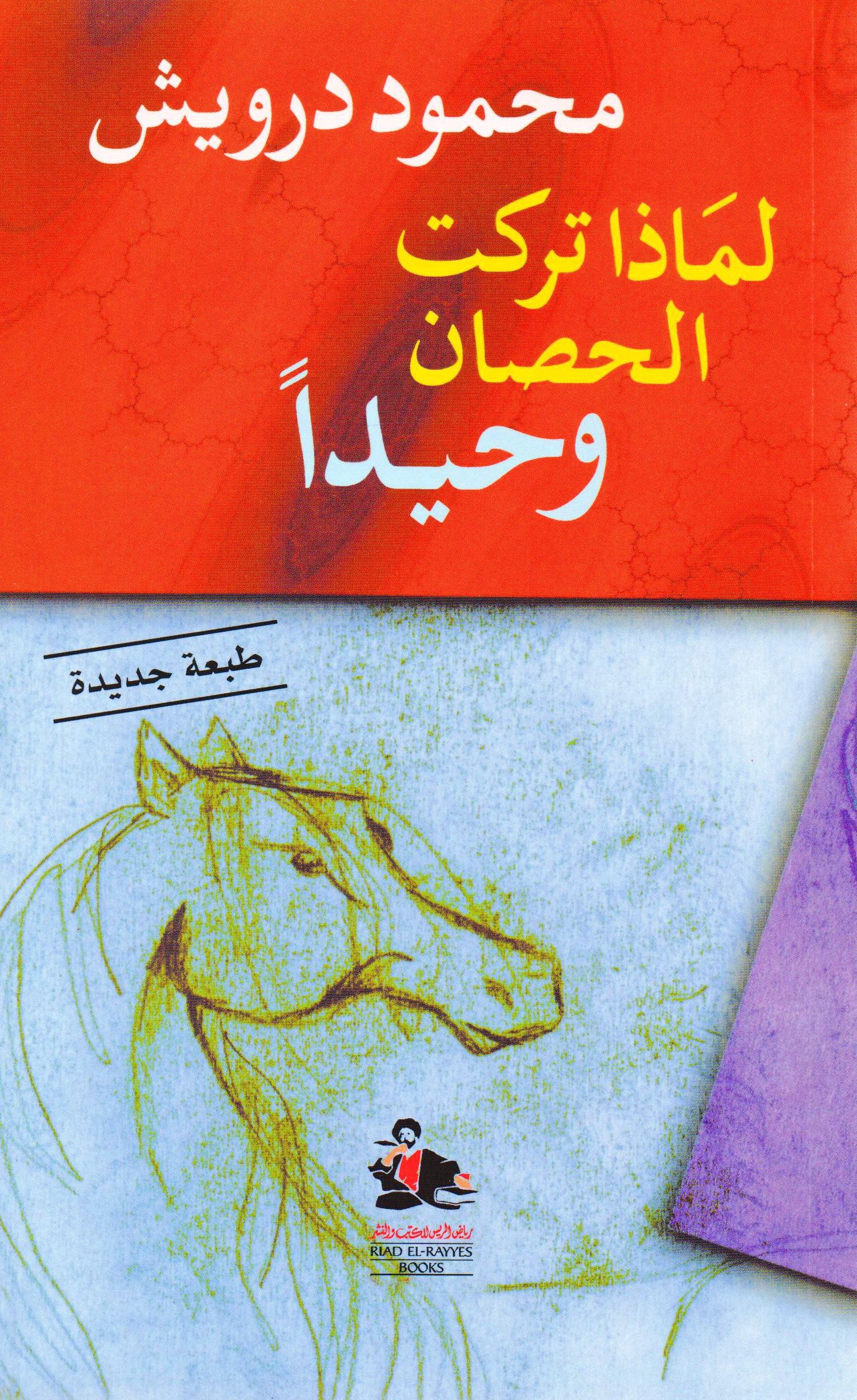
لماذا تركت الحصان وحيدًا PDF - Mahmoud Darwish
Mahmoud Darwish • literature • 82 Pages
(0)
Quate
Review
Save
Share
Book Description
قد يوجد أكثر من طبعة لهذا الكتاب باختلاف دار النشر، لذلك سأذكر بيانات النشر الأساسية المؤكدة دون نسبة طبعة محددة إلى ناشر بعينه.
يُعد كتاب "لماذا تركت الحصان وحيدًا" للشاعر الفلسطيني محمود درويش من أبرز أعماله الشعرية، وقد صدر لأول مرة عام 1995. ينتمي الكتاب إلى الشعر الحديث، ويُجسد مرحلة مهمة في تجربة درويش الإبداعية، حيث يمزج بين السيرة الذاتية والذاكرة الجماعية للشعب الفلسطيني في نصوص شعرية تتسم بالعمق والجمال. يبتعد الديوان عن الخطاب المباشر، ويقدم تجربة إنسانية تتناول الطفولة والمنفى والهوية والزمن من خلال لغة شعرية ثرية بالصور والرموز.
تدور الفكرة الرئيسة للديوان حول استعادة الذاكرة بوصفها وسيلة للحفاظ على الهوية ومواجهة الفقد. يستحضر محمود درويش طفولته في قرية البروة الفلسطينية قبل النكبة، ويعود إلى تفاصيل الحياة اليومية التي أصبحت جزءًا من الماضي بعد التهجير. لا يقتصر الكتاب على توثيق الذكريات، بل يحولها إلى تجربة شعرية تتداخل فيها الوقائع مع التأملات الفلسفية، ليصبح الماضي حاضرًا في وجدان القارئ.
يتكون الديوان من مجموعة من القصائد التي تتشابك فيما بينها لتشكل سيرة شعرية غير تقليدية. ينتقل الشاعر بين مشاهد الطفولة، وعلاقته بالأب والأم والبيت الأول، وصورة الحصان الذي يرمز إلى الأرض والبراءة والاستمرار. كما يتأمل معنى الغياب والمنفى، ويطرح أسئلة حول الزمن والذاكرة والانتماء، دون أن يقدم إجابات مباشرة، بل يترك المجال للقارئ ليشارك في بناء المعنى. ويبرز في النص حضور المكان الفلسطيني بوصفه ذاكرة حية تتجاوز حدود الجغرافيا.
يناسب هذا الديوان محبي الشعر العربي الحديث، والقراء المهتمين بالأدب الفلسطيني، وكل من يبحث عن نصوص تجمع بين الجمال اللغوي والتأمل الفكري. وقد يجد القارئ المبتدئ بعض الصعوبة في فهم بعض الرموز والإشارات الثقافية، بينما سيستمتع القارئ المعتاد على الشعر الحديث بالطبقات الدلالية المتعددة التي يزخر بها النص.
من أبرز نقاط قوة الكتاب لغته الشعرية الراقية، وقدرة محمود درويش على تحويل التجربة الشخصية إلى تجربة إنسانية عامة. كما يتميز بإيقاعه الهادئ وصوره البلاغية المبتكرة، وبناء قصائده الذي يجمع بين السرد الشعري والتأمل الفلسفي. أما من الجوانب التي قد يراها بعض القراء نقطة ضعف، فهي كثافة الرموز والاستعارات، مما يجعل بعض القصائد تحتاج إلى قراءة متأنية أو أكثر من مرة للوصول إلى أبعادها الكاملة.
ما يميز "لماذا تركت الحصان وحيدًا" عن كثير من الدواوين الشعرية المشابهة هو اعتماده على السيرة الذاتية بوصفها مدخلًا لفهم الذاكرة الجمعية، دون الوقوع في المباشرة أو الخطابة. فالشاعر لا يروي أحداث حياته فقط، بل يجعل من تفاصيلها الصغيرة رموزًا إنسانية تتجاوز حدود المكان والزمان، وهو ما منح الديوان مكانة خاصة في الأدب العربي الحديث.
يُعد الكتاب جديرًا بالقراءة لكل من يرغب في التعرف إلى تجربة محمود درويش الشعرية في أكثر مراحلها نضجًا. فهو لا يقدم قصائد عن فلسطين فحسب، بل يطرح أسئلة إنسانية عن الهوية والحنين والوجود والذاكرة، مما يجعل قراءته ممتعة وثرية حتى لمن لا يعرف الكثير عن التاريخ الفلسطيني.
جاء الديوان في سياق ثقافي وأدبي شهد تطورًا واضحًا في تجربة محمود درويش، حيث انتقل من التركيز على القصيدة ذات الطابع الوطني المباشر إلى كتابة شعر أكثر انفتاحًا على الأسئلة الوجودية والجمالية، مع احتفاظه بحضور القضية الفلسطينية بوصفها خلفية إنسانية وثقافية. ويُنظر إلى هذا العمل على نطاق واسع باعتباره أحد أهم دواوينه وأكثرها تأثيرًا في الشعر العربي المعاصر، رغم أنه لم يحصل على جائزة مستقلة بعينها.
إذا أردت، أستطيع أيضًا إعداد نسخة محسنة ومتوافقة مع معايير SEO للنشر في المواقع الإلكترونية أو المدونات.
Mahmoud Darwish
Mahmoud Darwish was one of the most celebrated and influential poets in modern Arabic literature, widely recognized for transforming personal experience, cultural identity, and historical memory into poetry of extraordinary beauty and universal significance. Born on March 13, 1941, in the village of al-Birwa in Galilee, Palestine, Darwish experienced displacement at an early age after the events of 1948, a defining moment that profoundly shaped both his life and his literary vision. Throughout his remarkable career, Mahmoud Darwish became a powerful voice for the Palestinian people while simultaneously establishing himself as a poet whose work transcended national boundaries. His poetry explores themes of exile, homeland, memory, love, freedom, loss, hope, and the enduring search for human dignity, making his writings resonate with readers across cultures and generations.
Mahmoud Darwish began writing poetry at a young age and quickly gained recognition for his exceptional talent. His early works reflected the realities of occupation and displacement, giving expression to the struggles and aspirations of Palestinians living under difficult circumstances. Over time, however, his poetry evolved into a sophisticated and deeply philosophical body of work that addressed universal questions about identity, belonging, mortality, and the human condition. Rather than limiting himself to political expression, Darwish developed a poetic language rich in symbolism, metaphor, and lyrical elegance, allowing readers from diverse backgrounds to connect with his reflections on life, love, and history.
One of the defining characteristics of Mahmoud Darwish's writing is his ability to merge the personal with the collective. His poems often speak in an intimate voice while simultaneously representing the experiences of an entire people. This unique literary approach enabled him to transform the Palestinian experience into a universal narrative of displacement, resilience, and hope. His works invite readers to contemplate not only the realities of conflict but also the deeper emotional and philosophical dimensions of existence. Through carefully crafted imagery and rhythmic language, Darwish created poetry that is both intellectually profound and emotionally moving.
Throughout his literary career, Mahmoud Darwish published numerous acclaimed collections that have become classics of contemporary Arabic literature. Among his best-known works are Why Did You Leave the Horse Alone?, Memory for Forgetfulness, Mural, Unfortunately, It Was Paradise, State of Siege, The Butterfly's Burden, In the Presence of Absence, and A River Dies of Thirst. These books demonstrate the remarkable evolution of his poetic voice, moving from direct expressions of resistance to increasingly reflective meditations on time, memory, mortality, and artistic creation. His writings have been translated into dozens of languages, introducing international audiences to the richness and depth of modern Arabic poetry.
Mahmoud Darwish's influence extends far beyond literature. His poems have inspired musicians, visual artists, filmmakers, scholars, and readers around the world. Many of his verses have been adapted into songs performed by renowned Arab musicians, while his literary works continue to be studied in universities and academic institutions across the globe. His ability to articulate complex emotions through accessible yet sophisticated language has established him as one of the defining literary figures of the twentieth and twenty-first centuries. Critics frequently praise his mastery of metaphor, his innovative use of classical Arabic poetic traditions, and his ability to continually reinvent his artistic style throughout his career.
Although Mahmoud Darwish is often associated with Palestinian national identity, reducing his work solely to political poetry overlooks its remarkable literary richness. Love occupies a central place in his writings, appearing alongside reflections on beauty, memory, solitude, language, and mortality. His poems reveal a deep appreciation for nature, history, music, and human relationships, creating a body of work that speaks to readers regardless of their cultural or political background. His exploration of exile is not merely geographical but also existential, examining the emotional experience of searching for belonging in an ever-changing world.
Darwish received numerous prestigious literary honors during his lifetime in recognition of his extraordinary contribution to world literature. His works continue to receive critical acclaim for their artistic excellence, intellectual depth, and enduring relevance. Even after his passing in 2008, Mahmoud Darwish remains one of the most widely read Arabic poets in history. New generations continue to discover his poetry through translations, literary festivals, academic research, and digital platforms, ensuring that his voice remains vibrant and influential.
Today, Mahmoud Darwish is regarded not only as a national poet of Palestine but also as one of the greatest poets of modern world literature. His legacy rests on his extraordinary ability to transform historical experience into timeless art, blending lyrical beauty with philosophical insight and emotional honesty. Readers continue to return to his works because they offer more than historical testimony—they provide profound reflections on humanity, identity, hope, and the enduring power of language. Through his unforgettable poetry, Mahmoud Darwish has secured a permanent place among the world's most respected literary figures, leaving behind a body of work that continues to inspire, challenge, and move readers across continents and generations.
Earn Rewards While Reading!
Every 10 pages you read and spent 30 seconds on every page, earns you 5 reward points! Keep reading to unlock achievements and exclusive benefits.
Read
Rate Now
5 Stars
4 Stars
3 Stars
2 Stars
1 Stars
لماذا تركت الحصان وحيدًا Quotes
Top Rated
Latest
Quate
Be the first to leave a quote and earn 10 points
instead of 3
'%20/%3e%3c/svg%3e "في حضرة الغياب")
Comments
Be the first to leave a comment and earn 5 points
instead of 3