

The source of the book
This book is published for the public benefit under a Creative Commons license, or with the permission of the author or publisher. If you have any objections to its publication, please contact us.
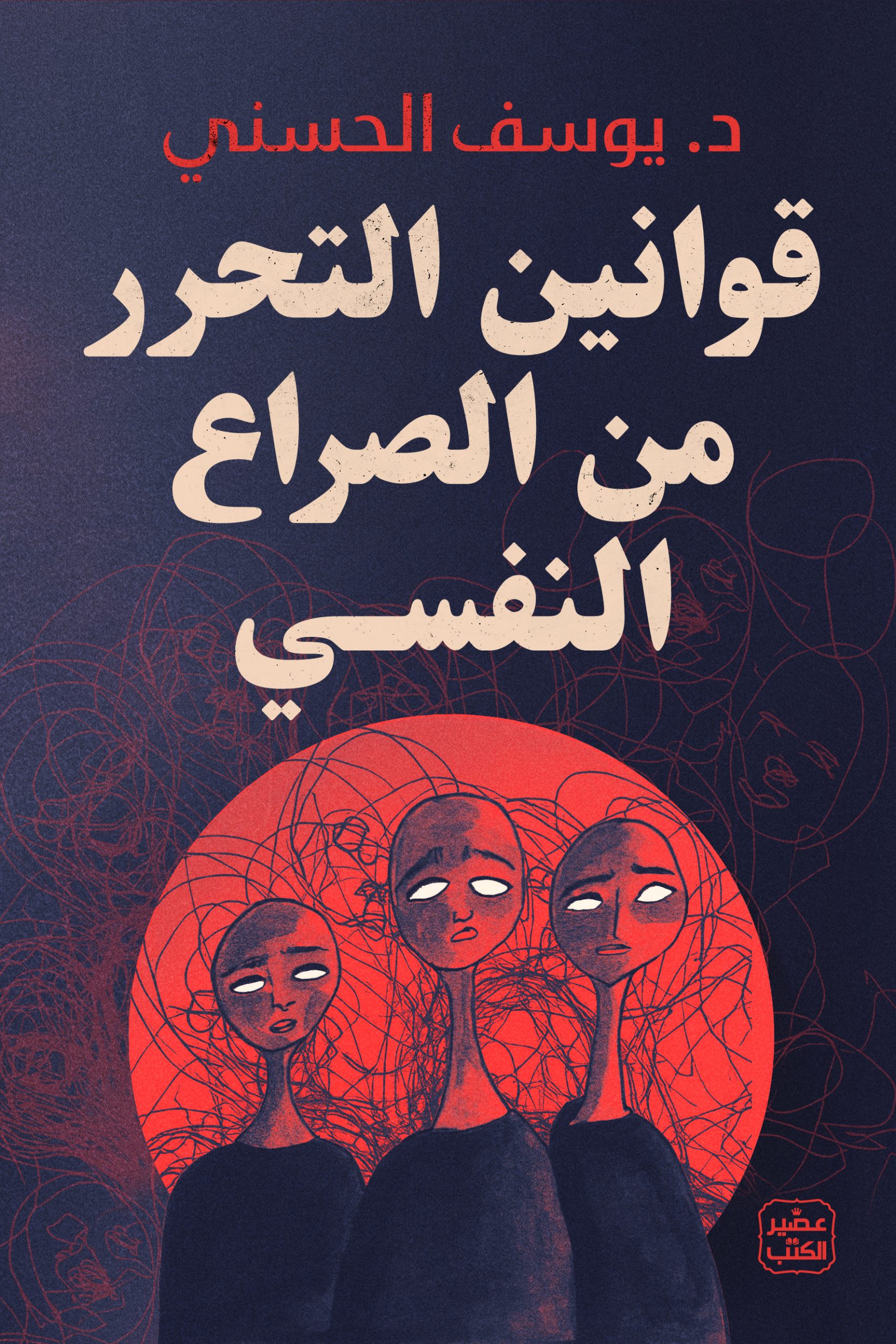
قوانين التحرر من الصراع النفسي PDF - Youssef Al-Hassani
Youssef Al-Hassani • Human Development • 337 Pages
(0)
Quate
Review
Save
Share
Book Description
كتاب «قوانين التحرر من الصراع النفسي» للدكتور يوسف الحسني هو كتاب عربي في الصحة النفسية والتنمية الذاتية، صدر عن دار عصير الكتب عام 2023، وتذكر بيانات البيع المتاحة أن عدد صفحاته 352 صفحة، ورقمه الدولي ISBN هو 9789779922683. يظهر الكتاب ضمن مشروع يوسف الحسني في الكتابة النفسية الموجهة للقارئ العربي، كما يرد في موقعه الرسمي بين كتبه إلى جانب «عقدك النفسية سجنك الأبدي» و«اعرف وجهك الآخر».
الفكرة الرئيسية في كتاب «قوانين التحرر من الصراع النفسي» هي أن الإنسان لا يحتاج فقط إلى فهم آلامه النفسية، بل إلى امتلاك أدوات عملية تساعده على التعامل مع القلق، والاكتئاب، والوسواس، والتفكير المفرط، والصدام الداخلي بين الرغبات والمخاوف. لا يقدم يوسف الحسني الكتاب بوصفه مرجعًا أكاديميًا جامدًا، بل بوصفه تجربة شخصية وتأملية وعلاجية تسعى إلى تحويل المعاناة إلى وعي. وتوضح النبذة المنشورة للكتاب أن المؤلف يربط مادته بتجربة صراع نفسي قاسٍ مع القلق والهلع والوسواس، ثم يحاول صياغة ما يسميه قواعد «العلاج الواقعي» في صورة قريبة من القارئ.
محتوى الكتاب يدور حول تحرير النفس من أنماط التفكير التي تجعل الإنسان أسيرًا للخوف، والندم، وتأويلات العقل القاسية. لا يعتمد على حبكة روائية أو أحداث متتابعة، لأنه كتاب إرشادي لا رواية، لكنه يبني مساره مثل رحلة داخلية تبدأ بالاعتراف بالألم، ثم تفكيك مصادره، ثم اقتراح طريقة جديدة للنظر إلى الذات والعقل والعلاقات. من خلال هذا البناء، يحاول الكاتب أن يقنع القارئ بأن التحرر النفسي لا يحدث بالإنكار أو الشعارات، بل بالمواجهة، والتمييز بين الواقع والوهم، وتحمل المسؤولية، والتدرج في تغيير طريقة الاستجابة للضغط الداخلي.
يناسب كتاب «قوانين التحرر من الصراع النفسي» القارئ الذي يبحث عن مدخل عربي مباشر إلى موضوعات السلام الداخلي، وفهم الذات، وإدارة الصراع النفسي. كما قد يجذب من مرّ بتجارب قلق أو اضطراب أو تشتت ويريد لغة قريبة من حياته اليومية. لكنه لا ينبغي أن يُقرأ بوصفه بديلًا عن العلاج النفسي أو الاستشارة الطبية، خصوصًا في حالات الاكتئاب الحاد أو نوبات الهلع المتكررة أو الوسواس القهري المؤثر في الحياة اليومية؛ فحتى موقع المؤلف يضع تنويهًا بأن المعلومات المنشورة للتوعية ولا تغني عن استشارة الطبيب.
من نقاط قوة الكتاب أنه يتحدث بلغة حماسية وشخصية، وهذا يمنحه حرارة عاطفية لا توجد دائمًا في كتب علم النفس المبسطة. قوته أيضًا في أنه يخاطب القارئ العربي ضمن سياق ثقافي مألوف، حيث ترتبط المعاناة النفسية غالبًا بالخجل، والإنكار، وضغط الأسرة، والخوف من طلب المساعدة. كما أن أسلوبه المباشر يجعله مناسبًا للقراء الذين لا يفضلون الكتب الأكاديمية الثقيلة.
أما نقاط الضعف المحتملة فتتمثل في أن النبرة التحفيزية قد تبدو لبعض القراء حادة أو تقريرية، خصوصًا لمن يفضلون لغة علمية موثقة بالدراسات والمراجع. كما أن اعتماد الكتاب على التجربة الشخصية يمنحه صدقًا وجدانيًا، لكنه قد يجعله أقل إقناعًا للقارئ الباحث عن إطار بحثي صارم أو منهج علاجي معتمد بالمصطلحات المتخصصة. لذلك، قيمته الأكبر تظهر عندما يُقرأ ككتاب وعي ذاتي ومساندة نفسية أولية، لا كدليل طبي أو مرجع تشخيصي.
ما يميز «قوانين التحرر من الصراع النفسي» عن كتب التنمية الذاتية المشابهة هو تركيزه على فكرة الصراع الداخلي لا النجاح الخارجي؛ فهو لا ينطلق من وعود الإنجاز السريع، بل من سؤال أعمق: كيف ينجو الإنسان من عقله حين يتحول التفكير إلى خصم؟ هذا المنظور يجعله أقرب إلى كتب التعافي النفسي منه إلى كتب التحفيز التقليدية. ثقافيًا، ينتمي الكتاب إلى موجة عربية حديثة تحاول تبسيط مفاهيم الصحة النفسية وإخراجها من دائرة الوصمة إلى مساحة النقاش العلني.
لم أجد في المصادر المتاحة إشارات موثوقة إلى حصول كتاب «قوانين التحرر من الصراع النفسي» على جوائز أدبية أو علمية. ومع ذلك، فهو يستحق القراءة لمن يريد نصًا عربيًا واضحًا عن الصراع النفسي والتحرر من أنماط التفكير المؤلمة، بشرط قراءته بوعي نقدي، والاستعانة بمتخصص عند الحاجة.
Youssef Al-Hassani
Youssef Al-Hassani is an Arabic-language author, psychiatrist, and psychoanalytic writer whose work focuses on self-understanding, emotional healing, psychological conflict, and the hidden patterns that shape human relationships. His books occupy a recognizable place in contemporary Arabic psychology and self-development writing because they address readers who want more than quick motivation or general advice; they seek a deeper explanation of why people repeat painful choices, remain attached to harmful relationships, fear freedom, or confuse temporary relief with genuine recovery. Al-Hassani’s writing is built around the idea that the mind often imprisons itself through unresolved complexes, emotional wounds, defensive habits, and unexamined beliefs. This focus is especially clear in titles such as Your Psychological Complexes Are Your Eternal Prison, Know Your Other Face, Laws of Liberation from Psychological Conflict, and Survival from the Illusion of Therapy and Psychiatry. These works show a consistent concern with the reader’s inner life, particularly the tension between the public self and the concealed self, between the desire for change and the fear of change, and between the need for love and the unconscious tendency to choose relationships that repeat old wounds. What makes Youssef Al-Hassani’s author profile valuable for a book website is the combination of professional psychological language with accessible prose. He writes for general readers without reducing psychological experience to simple slogans, and he often frames self-development as a process of awareness, responsibility, and emotional maturity rather than a set of decorative affirmations. His style is direct, analytical, and sometimes challenging, because it asks the reader to stop idealizing suffering, stop hiding behind excuses, and examine the psychological roots of attachment, shame, anger, fear, and avoidance. His broader public presence also includes educational courses, consultations, and awareness content on subjects such as emotional manipulation, psychological complexes, maturity, childhood trauma, depression, social anxiety, obsessive thoughts, confidence, self-worth, and relationship patterns. For this reason, his name is often associated with modern Arabic content that brings psychotherapy-related concepts into everyday discussion. Al-Hassani’s books appeal to readers interested in psychology, relationships, personal growth, emotional recovery, and the internal conflicts that influence decision-making. He does not write as a traditional novelist or purely academic theorist; instead, he writes as a therapeutic author who uses books as a space for interpretation, confrontation, and inner reconstruction. His work can be described as a bridge between clinical observation and popular psychological literature, giving readers a vocabulary for experiences they may have felt but could not name. In search-focused author pages, Youssef Al-Hassani can be presented as a prominent Arabic author in psychological awareness and self-help literature, known for exploring psychological complexes, the unconscious side of personality, emotional dependence, relationship conflict, and the long journey from confusion to self-knowledge. His influence lies not only in the number of readers who follow his books, but also in the way his titles have become part of a wider conversation about mental health, self-liberation, and honest inner change in the Arab world.
Earn Rewards While Reading!
Every 10 pages you read and spent 30 seconds on every page, earns you 5 reward points! Keep reading to unlock achievements and exclusive benefits.
Read
Rate Now
5 Stars
4 Stars
3 Stars
2 Stars
1 Stars
قوانين التحرر من الصراع النفسي Quotes
Top Rated
Latest
Quate
Be the first to leave a quote and earn 10 points
instead of 3
'%20/%3e%3c/svg%3e "اعرف وجهك الآخر")
Comments
Be the first to leave a comment and earn 5 points
instead of 3