

The source of the book
This book is published for the public benefit under a Creative Commons license, or with the permission of the author or publisher. If you have any objections to its publication, please contact us.
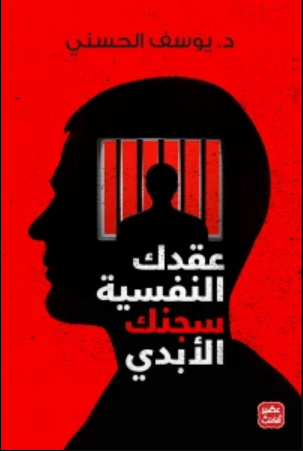
عقدك النفسية سجنك الأبدي PDF - Youssef Al-Hassani
Youssef Al-Hassani • Human Development • 321 Pages
(0)
Quate
Review
Save
Share
Book Description
يُعد كتاب «عقدك النفسية سجنك الأبدي» للدكتور يوسف الحسني من كتب علم النفس المبسّط وتطوير الذات الموجهة إلى القارئ العربي العام، وليس رواية ذات أحداث وشخصيات. صدرت الطبعة الورقية عن عصير الكتب للترجمة والنشر والتوزيع بتاريخ 3 نوفمبر 2021، وتذكر بيانات نيل وفرات أن الكتاب باللغة العربية، في 286 صفحة، ورقم ردمكه 9789778591668.
الفكرة الأساسية في كتاب «عقدك النفسية سجنك الأبدي» أن الإنسان قد يعيش داخل قيود نفسية لا يراها بوضوح: موروثات أسرية، خوف من المواجهة، احتياج عاطفي، صورة مشوهة عن الذات، أو أنماط علاقات تكرارية تجعله يظن أن ألمه قدر لا يتغير. ينطلق يوسف الحسني من سؤال قريب من القارئ: لماذا نكرر الأخطاء نفسها في الحب والعمل والعائلة؟ ومن هنا يحاول ربط السلوك اليومي بجذور أعمق، مثل أثر الأبوين، والتلقين الاجتماعي، والحاجة إلى الاعتراف، والخوف من الرفض.
لا يقدم الكتاب “أحداثًا” بالمعنى الروائي، بل يتدرج عبر موضوعات نفسية واجتماعية متصلة. بحسب نبذة الناشر، يتناول أثر الموروثات الفكرية وتشكيل الهوية وردود الأفعال، ثم يحلل عقدًا نفسية تظهر في العلاقات والعمل والمال والسلطة والحب، ويتوقف عند التلاعب العاطفي، والنضج، والخوف من التعبير، وارتباط بعض العقد بمفهوم الجنس.لذلك يمكن تلخيص محتواه بوصفه رحلة مواجهة: يبدأ القارئ بالتشكيك في أفكاره الجاهزة، ثم يراجع جذور سلوكه، ثم ينتبه إلى أنماط التعلق أو الهروب أو الدفاع الزائد عن النفس.
يناسب كتاب «عقدك النفسية سجنك الأبدي» القارئ الذي يحب كتب الوعي الذاتي بلغة مباشرة، خصوصًا من يشعر بأن مشكلاته العاطفية أو الأسرية أو المهنية تتكرر بصورة مرهقة. وهو مناسب أيضًا لمن يريد مدخلًا سهلًا إلى مفاهيم مثل العقد النفسية، التعلق، التلاعب العاطفي، أثر الطفولة، وصورة الذات. لكنه لا يصلح بديلًا عن العلاج النفسي المتخصص، خصوصًا في حالات الصدمة الشديدة أو الاكتئاب أو القلق المزمن؛ قيمته الأكبر أنه يفتح باب السؤال لا أنه يقدم تشخيصًا نهائيًا.
من نقاط قوة الكتاب أن أسلوبه قريب من اللغة اليومية، وأنه يلامس حساسيات عربية شائعة مثل سلطة العائلة، الخوف من كلام الناس، الخلط بين الحب والاحتياج، وصعوبة وضع الحدود. وتصف بعض متاجر الكتب الكتاب بأنه يجمع بين رؤية نفسية مبسطة ومواقف واقعية، ويشرح كيف تتحول الأفكار السلبية وكبت المشاعر إلى قيود طويلة المدى. ( هذه المباشرة تجعل القراءة سهلة ومؤثرة للقارئ غير المتخصص.
أما نقاط الضعف فتتمثل في أن الطرح قد يبدو حادًا أو تعميميًا أحيانًا، لأن كتب التنمية النفسية الموجهة للجمهور تميل إلى العبارات الصادمة لتحفيز القارئ على المواجهة. كما أن القارئ الباحث عن مراجع أكاديمية موسعة أو منهج علاجي منظم قد يجد الكتاب أقرب إلى التأملات النفسية الاجتماعية منه إلى الدراسة العلمية الصارمة. لذلك يفضل قراءته بوصفه كتاب وعي ومراجعة ذاتية، لا مرجعًا طبيًا.
ما يميز «عقدك النفسية سجنك الأبدي» عن كتب تطوير الذات التقليدية أنه لا يكتفي بخطاب التحفيز الإيجابي، بل يركز على المناطق المزعجة في الشخصية: الإنكار، الهروب، التعلق، الخوف، والأدوار التي نكررها داخل العلاقات. كما أنه ينتمي إلى سياق ثقافي عربي يشهد انتشارًا واسعًا لكتب الصحة النفسية المبسطة، وهو سياق يظهر أيضًا في حضور يوسف الحسني الرقمي وطرحه لكتب ودورات حول الصراع النفسي والعلاقات والتشافي.
هل يستحق القراءة؟ نعم، إذا كان القارئ يريد كتابًا عربيًا مباشرًا يساعده على مساءلة ذاته وعلاقاته. قيمته ليست في تقديم حلول سحرية، بل في دفع القارئ إلى رؤية سجونه الداخلية بوضوح أكبر. ولم أجد في المصادر المتاحة إشارة موثقة إلى حصول الكتاب على جوائز، لذا لا يصح نسب أي جائزة إليه دون دليل.
Youssef Al-Hassani
Youssef Al-Hassani is an Arabic-language author, psychiatrist, and psychoanalytic writer whose work focuses on self-understanding, emotional healing, psychological conflict, and the hidden patterns that shape human relationships. His books occupy a recognizable place in contemporary Arabic psychology and self-development writing because they address readers who want more than quick motivation or general advice; they seek a deeper explanation of why people repeat painful choices, remain attached to harmful relationships, fear freedom, or confuse temporary relief with genuine recovery. Al-Hassani’s writing is built around the idea that the mind often imprisons itself through unresolved complexes, emotional wounds, defensive habits, and unexamined beliefs. This focus is especially clear in titles such as Your Psychological Complexes Are Your Eternal Prison, Know Your Other Face, Laws of Liberation from Psychological Conflict, and Survival from the Illusion of Therapy and Psychiatry. These works show a consistent concern with the reader’s inner life, particularly the tension between the public self and the concealed self, between the desire for change and the fear of change, and between the need for love and the unconscious tendency to choose relationships that repeat old wounds. What makes Youssef Al-Hassani’s author profile valuable for a book website is the combination of professional psychological language with accessible prose. He writes for general readers without reducing psychological experience to simple slogans, and he often frames self-development as a process of awareness, responsibility, and emotional maturity rather than a set of decorative affirmations. His style is direct, analytical, and sometimes challenging, because it asks the reader to stop idealizing suffering, stop hiding behind excuses, and examine the psychological roots of attachment, shame, anger, fear, and avoidance. His broader public presence also includes educational courses, consultations, and awareness content on subjects such as emotional manipulation, psychological complexes, maturity, childhood trauma, depression, social anxiety, obsessive thoughts, confidence, self-worth, and relationship patterns. For this reason, his name is often associated with modern Arabic content that brings psychotherapy-related concepts into everyday discussion. Al-Hassani’s books appeal to readers interested in psychology, relationships, personal growth, emotional recovery, and the internal conflicts that influence decision-making. He does not write as a traditional novelist or purely academic theorist; instead, he writes as a therapeutic author who uses books as a space for interpretation, confrontation, and inner reconstruction. His work can be described as a bridge between clinical observation and popular psychological literature, giving readers a vocabulary for experiences they may have felt but could not name. In search-focused author pages, Youssef Al-Hassani can be presented as a prominent Arabic author in psychological awareness and self-help literature, known for exploring psychological complexes, the unconscious side of personality, emotional dependence, relationship conflict, and the long journey from confusion to self-knowledge. His influence lies not only in the number of readers who follow his books, but also in the way his titles have become part of a wider conversation about mental health, self-liberation, and honest inner change in the Arab world.
Earn Rewards While Reading!
Every 10 pages you read and spent 30 seconds on every page, earns you 5 reward points! Keep reading to unlock achievements and exclusive benefits.
Read
Rate Now
5 Stars
4 Stars
3 Stars
2 Stars
1 Stars
عقدك النفسية سجنك الأبدي Quotes
Top Rated
Latest
Quate
Be the first to leave a quote and earn 10 points
instead of 3
'%20/%3e%3c/svg%3e "اعرف وجهك الآخر")
Comments
Be the first to leave a comment and earn 5 points
instead of 3