

The source of the book
This book is published for the public benefit under a Creative Commons license, or with the permission of the author or publisher. If you have any objections to its publication, please contact us.
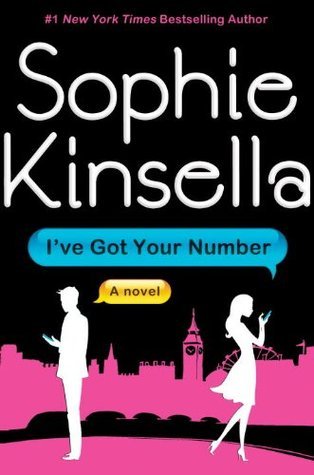
I've Got Your Number PDF - Sophie Kinsella
Sophie Kinsella • romantic novels • 348 Pages
(0)
Quate
Review
Save
Share
Book Description
I’ve Got Your Number by Sophie Kinsella is a witty, fast-moving romantic comedy novel about panic, privacy, mistaken messages, modern relationships, and the surprising ways one ordinary day can turn into complete chaos. At the center of the story is Poppy Wyatt, a woman whose life appears to be moving perfectly toward marriage—until she loses her valuable engagement ring and, almost immediately afterward, her phone. In a moment of desperation, she picks up an abandoned phone, hoping it will help her stay reachable while she searches for the missing ring. The problem is that the phone belongs to Sam Roxton, a businessman who very much wants it back, and Poppy’s temporary solution quickly pulls both of them into an unexpected connection.
A Funny Contemporary Romance Built on One Brilliant Complication
The charm of I’ve Got Your Number comes from a simple but irresistible premise: what happens when two strangers become linked through a phone full of messages, secrets, obligations, and misunderstandings? Poppy does not set out to invade anyone’s life, yet every text, email, and call brings her closer to Sam’s world. At the same time, her own wedding plans, family pressures, and private doubts become harder to keep under control. The result is a sharp and entertaining contemporary romance that blends comic timing with emotional uncertainty.
Sophie Kinsella uses the phone as more than a plot device. It becomes a window into the way people present themselves, hide their feelings, manage relationships, and make assumptions about one another. Through Poppy and Sam’s forced communication, the novel explores how intimacy can grow in the most unlikely circumstances. Their exchanges are awkward, funny, revealing, and often unexpectedly honest, giving the story the energy of a modern rom-com while keeping the emotional stakes grounded in real questions about trust, self-worth, and choosing the right future.
Poppy Wyatt, Sam Roxton, and the Comedy of Modern Life
Poppy Wyatt is one of the reasons readers continue to enjoy this Sophie Kinsella book. She is warm, anxious, impulsive, hopeful, and deeply human. Her mistakes are funny because they feel recognizable: she wants to fix everything, please everyone, and avoid disappointing the people around her. As the lost ring crisis grows more complicated, Poppy’s habit of smoothing over problems begins to reveal larger questions about her confidence, her relationship, and her ability to speak honestly for herself.
Sam Roxton brings a very different energy to the novel. Controlled, practical, and private, he initially seems like the opposite of Poppy. Their contrast creates much of the humor, especially as Poppy becomes entangled in his messages and professional world. Yet the relationship between them develops through conversation rather than instant certainty. Their connection is built through interruptions, misunderstandings, small acts of help, and the gradual realization that both characters may understand each other better than the people already in their lives.
Themes of Communication, Identity, and Romantic Choice
Although I’ve Got Your Number is light, funny, and easy to read, it also touches on themes that give the story lasting appeal. One of the most important is communication. The novel is filled with texts, calls, emails, and forwarded messages, but Kinsella shows that constant contact does not always mean real honesty. Poppy is surrounded by communication, yet she often struggles to say what she truly feels. Sam is efficient with messages, but emotionally guarded. Their story becomes a playful look at how people connect in a world where everyone is reachable, yet not always understood.
The novel also explores identity and self-perception. Poppy’s engagement should make her feel secure, but losing the ring exposes insecurities she has been trying to ignore. Her search for the ring becomes connected to a deeper search for clarity. What does she really want? Who does she become when she stops trying to be convenient, agreeable, and perfect? These questions give the book more depth than a simple romantic mix-up and make it appealing for readers who enjoy funny women’s fiction with emotional growth beneath the humor.
A Light, Clever Reading Experience for Fans of Romantic Comedy
Readers looking for a funny romantic comedy book, a feel-good contemporary novel, or a clever chick lit story will find much to enjoy in I’ve Got Your Number. The pacing is brisk, the dialogue is lively, and the situations build with the kind of comic escalation that Sophie Kinsella is known for. The story moves from one complication to the next without losing its warmth, making it especially suitable for readers who want a novel that is entertaining, romantic, and emotionally satisfying without becoming heavy.
The book is also a strong choice for fans of stories involving accidental relationships, opposites-attract chemistry, wedding chaos, mistaken assumptions, and digital-age misunderstandings. Its humor comes not only from dramatic situations, but also from the small social embarrassments and inner spirals that many readers will recognize. Poppy’s voice gives the novel an immediate, intimate feel, allowing the reader to experience her panic, hope, confusion, and excitement from close range.
Why I’ve Got Your Number Remains a Popular Sophie Kinsella Novel
I’ve Got Your Number stands out as a memorable standalone Sophie Kinsella novel because it combines a high-concept romantic setup with a heroine who is easy to root for. The lost ring and borrowed phone create instant momentum, but the real pleasure of the novel lies in watching Poppy navigate the gap between the life she thinks she is supposed to want and the truth that slowly becomes impossible to ignore. The book’s humor is bright and accessible, yet its emotional center gives the romance more weight than a simple comic misunderstanding.
For readers discovering Sophie Kinsella for the first time, this novel offers many of the qualities associated with her best-loved fiction: warmth, wit, romantic tension, social comedy, and a heroine whose chaos hides a sincere desire to do the right thing. For returning fans, it delivers the familiar pleasure of Kinsella’s storytelling while offering a fresh premise built around phones, messages, secrets, and modern connection.
A Charming Novel About Losing Control and Finding Clarity
At its heart, I’ve Got Your Number is about a woman who loses the one thing she was never supposed to lose and discovers that the real crisis may be much bigger than a missing ring. With its engaging premise, lovable heroine, sharp dialogue, and satisfying romantic tension, the novel offers a warm and entertaining reading experience for anyone who enjoys contemporary romance, romantic comedy, and humorous fiction about love, self-discovery, and the unexpected turns that change everything.
Sophie Kinsella turns a lost phone and a missing engagement ring into a clever story about connection, courage, and the messy path toward honesty. I’ve Got Your Number is light enough to be a comfort read, smart enough to keep the pages turning, and heartfelt enough to stay with readers after the final chapter.
Sophie Kinsella
Sophie Kinsella was the internationally bestselling pen name of British author Madeleine Wickham, a writer whose warm comic voice helped define contemporary romantic comedy fiction for a global readership. Best known for the Shopaholic series and its unforgettable heroine Becky Bloomwood, Kinsella built a literary world in which everyday anxieties about money, work, love, family, social image, and self-worth became the raw material for bright, fast-moving, emotionally generous novels. Becky Bloomwood, a financial journalist who is wonderfully bad at managing her own finances, remains one of modern commercial fiction’s most recognizable comic heroines: impulsive, imaginative, flawed, lovable, and resilient. Before adopting the name Sophie Kinsella, the author published fiction as Madeleine Wickham, including The Tennis Party, A Desirable Residence, Swimming Pool Sunday, The Gatecrasher, The Wedding Girl, Cocktails for Three, and Sleeping Arrangements. Those earlier novels often used ensemble casts and a slightly sharper social tone, while the Kinsella books became known for first-person immediacy, quick wit, romantic mishaps, and heroines who stumble into chaos while still searching honestly for happiness. Her first Shopaholic novel, The Secret Dreamworld of a Shopaholic, also known in some markets as Confessions of a Shopaholic, introduced the rhythm that would make her famous: comedy driven by embarrassment, letters, secrets, debt, denial, and the hopeful belief that life can always be repaired. The series grew into ten novels and became a major brand in women’s commercial fiction, with the early books adapted into the 2009 film Confessions of a Shopaholic, starring Isla Fisher as Becky. Beyond Shopaholic, Kinsella wrote many popular standalone novels, including Can You Keep a Secret?, The Undomestic Goddess, Remember Me?, Twenties Girl, I’ve Got Your Number, Wedding Night, My Not So Perfect Life, Surprise Me, I Owe You One, The Party Crasher, and The Burnout. She also wrote the young adult novel Finding Audrey, a sensitive and humorous story about social anxiety and recovery, and the children’s series Mummy Fairy and Me, showing her ability to adapt her playful imagination for younger readers. Kinsella’s fiction is often described as light, but its lasting appeal comes from something sturdier than lightness: a deep understanding of embarrassment, aspiration, insecurity, and the small private dramas that shape ordinary lives. Her books offer pace, charm, romance, and laughter, yet they also explore the pressure to appear successful, the fear of failure, the bonds between friends and sisters, the absurdity of consumer culture, and the complicated courage required to be oneself. Her prose is accessible without being careless, comic without being cruel, and optimistic without denying difficulty. In her later work, especially What Does It Feel Like?, written after her brain cancer diagnosis, Kinsella brought a more reflective tenderness to themes of illness, motherhood, memory, fear, and love, while retaining the humanity and hope that readers associated with her name. Sophie Kinsella died in 2025, leaving behind more than thirty books for adults, teenagers, and children, along with a devoted international readership. Her legacy lies in making popular fiction feel personal, intelligent, funny, and emotionally restorative, and in creating heroines whose imperfections made readers feel less alone.
Earn Rewards While Reading!
Every 10 pages you read and spent 30 seconds on every page, earns you 5 reward points! Keep reading to unlock achievements and exclusive benefits.
Read
Rate Now
5 Stars
4 Stars
3 Stars
2 Stars
1 Stars
I've Got Your Number Quotes
Top Rated
Latest
Quate
Be the first to leave a quote and earn 10 points
instead of 3
'%20/%3e%3c/svg%3e "Confessions of a Shopaholic")
Comments
Be the first to leave a comment and earn 5 points
instead of 3