

The source of the book
This book is published for the public benefit under a Creative Commons license, or with the permission of the author or publisher. If you have any objections to its publication, please contact us.
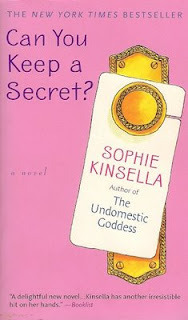
Can You Keep a Secret? PDF - Sophie Kinsella
Sophie Kinsella • romantic novels • 348 Pages
(0)
Quate
Review
Save
Share
Book Description
Can You Keep a Secret? by Sophie Kinsella is a sparkling romantic comedy about embarrassment, honesty, office politics, and the terrifying possibility that the one person who knows everything about you might suddenly walk into your workplace. The novel follows Emma Corrigan, a young woman with a big heart, an anxious imagination, and a long private list of little secrets she would never willingly confess to her family, her boyfriend, or her colleagues. During a frighteningly turbulent flight, Emma panics and pours out her most personal, awkward, and ridiculous truths to the handsome stranger sitting beside her—certain she will never see him again. But when she returns to work, she discovers that the stranger is Jack Harper, the elusive CEO of her company, and he remembers far more than she would like.
A witty romantic comedy built on one irresistible “what if?”
At the heart of Can You Keep a Secret? is a simple but brilliantly comic question: what would happen if someone knew all the things you try hardest to hide? Sophie Kinsella turns that premise into a fast, warm, and sharply funny story about the gap between the version of ourselves we present to the world and the messy, insecure, hopeful person underneath. Emma is not a perfect heroine, and that is exactly what makes her so engaging. She exaggerates, panics, overthinks, dreams of career success, worries about her relationship, and carries the everyday embarrassments that make her feel both ordinary and completely exposed.
The result is a feel-good contemporary romance with a strong comic engine. The setup creates instant tension: Emma wants to appear professional, capable, and in control, while Jack has already heard the unfiltered version of her thoughts. Their dynamic is charged not only with romantic possibility, but also with the comic discomfort of being known too well by someone who should have remained a stranger. For readers looking for a funny workplace romance, a lighthearted novel about secrets, or a charming story with emotional warmth beneath the humor, this book delivers a reading experience that is playful, clever, and easy to enjoy.
Emma Corrigan: relatable, chaotic, and full of heart
Emma Corrigan is one of the reasons Can You Keep a Secret? remains such a memorable Sophie Kinsella novel. She is ambitious but unsure of herself, romantic but not entirely satisfied, and deeply aware of the difference between who she is and who she thinks she is supposed to be. Her secrets are not grand scandals; they are the small, human truths people often hide out of politeness, fear, vanity, or embarrassment. That ordinary scale gives the novel much of its charm, because Emma’s confessions feel recognizable even when they are exaggerated for comedy.
Through Emma, the book explores the pressure to seem successful, attractive, confident, and emotionally sorted. She wants to be taken seriously at work, to be loved in her relationship, and to be seen by her family as someone capable of doing well. Yet her inner life is much more complicated than the polished image she tries to maintain. Sophie Kinsella uses Emma’s voice to create a story that is humorous without being cold, romantic without being overly sentimental, and light in tone while still touching on self-worth, vulnerability, and the courage it takes to be honest.
Romance, secrets, and workplace comedy
The romance in Can You Keep a Secret? grows out of an unusual imbalance: Jack Harper knows Emma’s secrets before he truly knows Emma. This gives the story its delicious awkwardness, but it also opens the door to a deeper question about intimacy. Is it easier to be loved when we carefully manage what people see, or when someone has already glimpsed the embarrassing truth? The novel plays with this question through witty dialogue, uncomfortable encounters, misunderstandings, and moments of unexpected tenderness.
As a romantic comedy novel, the book also makes strong use of its workplace setting. Emma’s office life is full of ambition, competition, performance, and everyday humiliation, creating the perfect stage for a story about private truths becoming dangerously public. The arrival of Jack Harper at the company does not simply complicate Emma’s romantic life; it threatens the professional identity she is trying to build. That combination of office comedy and emotional exposure gives the novel a lively pace and keeps the stakes entertaining without making the story feel heavy.
Why readers love Sophie Kinsella’s storytelling
Sophie Kinsella is widely associated with witty, character-driven fiction that combines humor, romance, and relatable female protagonists. Penguin describes her as an internationally bestselling writer and the author of many number one bestsellers, including the popular Shopaholic series, as well as novels written under the name Madeleine Wickham and books for younger readers. In Can You Keep a Secret?, her strengths are clear: a strong comic premise, a heroine with a distinctive inner voice, and a story that balances farce with genuine emotional appeal.
Kinsella’s comedy often comes from the difference between what a character says out loud and what she is really thinking. That contrast works especially well here, because Emma’s entire problem is that her hidden thoughts have escaped into the world. The novel captures the anxiety of being exposed, the absurdity of pretending to have everything under control, and the relief that can come when someone sees beyond the performance. Readers who enjoy books with confessional humor, romantic tension, and fast-moving scenes will find the style inviting and highly readable.
A perfect choice for fans of lighthearted contemporary fiction
Can You Keep a Secret? is especially appealing for readers who enjoy chick lit, romantic comedy, women’s fiction, and feel-good fiction with a modern, conversational voice. It is a strong choice for fans of stories about personal growth wrapped in humor, as well as for readers who like heroines who are flawed, funny, and emotionally honest. The book’s appeal lies in its mixture of escapism and recognition: Emma’s situation is wildly comic, but her insecurities are grounded in experiences many readers understand.
This is not a dark or overly dramatic romance. It is a bright, entertaining novel built around awkwardness, attraction, truth, and timing. Readers looking for a book that is easy to settle into, full of humorous situations, and centered on a heroine who learns more about herself through embarrassment will find Can You Keep a Secret? a satisfying choice. Its charm comes from the way it turns humiliation into comedy and vulnerability into connection.
A funny and charming novel about being truly seen
At its core, Can You Keep a Secret? by Sophie Kinsella is about the secrets people keep to protect themselves and the surprising freedom that can come when those secrets are no longer hidden. Emma’s accidental confession sets off a story full of romantic tension, comic disasters, and moments of self-discovery, but the emotional heart of the novel is simple and appealing: being known is frightening, but it can also be the beginning of something real.
With its memorable premise, lively heroine, workplace humor, and warm romantic energy, Can You Keep a Secret? remains a delightful read for anyone searching for a witty contemporary romance with personality and heart. It is a novel about embarrassment, honesty, and the messy truth of being human—told with the light touch, comic timing, and emotional warmth that make Sophie Kinsella’s fiction so enjoyable.
Sophie Kinsella
Sophie Kinsella was the internationally bestselling pen name of British author Madeleine Wickham, a writer whose warm comic voice helped define contemporary romantic comedy fiction for a global readership. Best known for the Shopaholic series and its unforgettable heroine Becky Bloomwood, Kinsella built a literary world in which everyday anxieties about money, work, love, family, social image, and self-worth became the raw material for bright, fast-moving, emotionally generous novels. Becky Bloomwood, a financial journalist who is wonderfully bad at managing her own finances, remains one of modern commercial fiction’s most recognizable comic heroines: impulsive, imaginative, flawed, lovable, and resilient. Before adopting the name Sophie Kinsella, the author published fiction as Madeleine Wickham, including The Tennis Party, A Desirable Residence, Swimming Pool Sunday, The Gatecrasher, The Wedding Girl, Cocktails for Three, and Sleeping Arrangements. Those earlier novels often used ensemble casts and a slightly sharper social tone, while the Kinsella books became known for first-person immediacy, quick wit, romantic mishaps, and heroines who stumble into chaos while still searching honestly for happiness. Her first Shopaholic novel, The Secret Dreamworld of a Shopaholic, also known in some markets as Confessions of a Shopaholic, introduced the rhythm that would make her famous: comedy driven by embarrassment, letters, secrets, debt, denial, and the hopeful belief that life can always be repaired. The series grew into ten novels and became a major brand in women’s commercial fiction, with the early books adapted into the 2009 film Confessions of a Shopaholic, starring Isla Fisher as Becky. Beyond Shopaholic, Kinsella wrote many popular standalone novels, including Can You Keep a Secret?, The Undomestic Goddess, Remember Me?, Twenties Girl, I’ve Got Your Number, Wedding Night, My Not So Perfect Life, Surprise Me, I Owe You One, The Party Crasher, and The Burnout. She also wrote the young adult novel Finding Audrey, a sensitive and humorous story about social anxiety and recovery, and the children’s series Mummy Fairy and Me, showing her ability to adapt her playful imagination for younger readers. Kinsella’s fiction is often described as light, but its lasting appeal comes from something sturdier than lightness: a deep understanding of embarrassment, aspiration, insecurity, and the small private dramas that shape ordinary lives. Her books offer pace, charm, romance, and laughter, yet they also explore the pressure to appear successful, the fear of failure, the bonds between friends and sisters, the absurdity of consumer culture, and the complicated courage required to be oneself. Her prose is accessible without being careless, comic without being cruel, and optimistic without denying difficulty. In her later work, especially What Does It Feel Like?, written after her brain cancer diagnosis, Kinsella brought a more reflective tenderness to themes of illness, motherhood, memory, fear, and love, while retaining the humanity and hope that readers associated with her name. Sophie Kinsella died in 2025, leaving behind more than thirty books for adults, teenagers, and children, along with a devoted international readership. Her legacy lies in making popular fiction feel personal, intelligent, funny, and emotionally restorative, and in creating heroines whose imperfections made readers feel less alone.
Earn Rewards While Reading!
Every 10 pages you read and spent 30 seconds on every page, earns you 5 reward points! Keep reading to unlock achievements and exclusive benefits.
Read
Rate Now
5 Stars
4 Stars
3 Stars
2 Stars
1 Stars
Can You Keep a Secret? Quotes
Top Rated
Latest
Quate
Be the first to leave a quote and earn 10 points
instead of 3
'%20/%3e%3c/svg%3e "Confessions of a Shopaholic")
Comments
Be the first to leave a comment and earn 5 points
instead of 3