

The source of the book
This book is published for the public benefit under a Creative Commons license, or with the permission of the author or publisher. If you have any objections to its publication, please contact us.
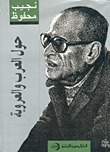
حول العرب والعروبة PDF - Naguib Mahfouz
Naguib Mahfouz • Politics • 204 Pages
(0)
Quate
Review
Save
Share
Book Description
حول العرب والعروبة – نجيب محفوظ
كتاب «حول العرب والعروبة» للكاتب المصري Naguib Mahfouz (نجيب محفوظ) هو عمل يجمع مجموعة من المقالات والحوارات والآراء التي تتناول قضايا العرب والهوية العربية وعلاقة الثقافة بالسياسة والمجتمع. نُشر الكتاب باللغة العربية عن إحدى دور النشر العربية التي أعادت جمع نصوص محفوظ الفكرية في طبعات متفرقة، ولذلك قد تختلف بيانات الناشر وسنة الإصدار بحسب الطبعة.
يناقش الكتاب رؤية نجيب محفوظ للعروبة بوصفها إطارًا ثقافيًا وحضاريًا أكثر من كونها شعارًا سياسيًا. ويعرض تأملاته في مستقبل العالم العربي، وأهمية الحوار بين الشعوب، ودور الثقافة والأدب في بناء الوعي، كما يتناول قضايا مثل الهوية والانتماء، والعلاقة بين التراث والحداثة، والتحديات التي واجهت المجتمعات العربية خلال القرن العشرين. ولا يقدم الكتاب أطروحة واحدة متصلة، بل يضم نصوصًا متفرقة يجمعها اهتمام المؤلف بالشأن العربي والفكر الإنساني.
يبرز في الكتاب أسلوب نجيب محفوظ المعروف بالوضوح والهدوء والابتعاد عن الخطابة. فهو يطرح أفكاره بلغة متزنة، ويترك مساحة للقارئ للتأمل دون فرض استنتاجات جاهزة. وتستند آراؤه إلى خبرته الطويلة في متابعة التحولات الاجتماعية والسياسية في مصر والعالم العربي، مع حرصه على تقديم رؤية عقلانية تدعو إلى الإصلاح والتسامح والانفتاح الثقافي.
يناسب هذا الكتاب القراء المهتمين بالفكر العربي، والدراسات الثقافية، وتاريخ الأفكار، وكذلك محبي نجيب محفوظ الذين يرغبون في التعرف إلى آرائه خارج إطار الرواية. كما يفيد طلاب الأدب والعلوم الإنسانية والباحثين في تطور الخطاب الثقافي العربي خلال القرن العشرين. أما من يبحث عن عمل روائي بأحداث وشخصيات، فقد لا يجد في هذا الكتاب ما يتوافق مع اهتماماته، لأنه أقرب إلى المقالات الفكرية منه إلى السرد الأدبي.
من أبرز نقاط قوة الكتاب أنه يقدم رؤية أحد أهم الأدباء العرب الحاصلين على Nobel Prize in Literature تجاه قضايا الهوية والثقافة، ويتميز بلغته السلسة وأسلوبه المتوازن الذي يجمع بين العمق وسهولة القراءة. كما يمنح القارئ فرصة لفهم جانب فكري من شخصية نجيب محفوظ قد يكون أقل شهرة من إنتاجه الروائي. وفي المقابل، قد يشعر بعض القراء بأن بعض القضايا المطروحة ترتبط بسياقات تاريخية محددة، مما يتطلب معرفة بالخلفية السياسية والثقافية لفهمها بصورة أعمق. كذلك فإن طبيعة الكتاب التجميعية قد تجعل الانتقال بين موضوعاته أقل ترابطًا من الكتب المؤلفة كوحدة واحدة.
ويمتاز «حول العرب والعروبة» عن كثير من الكتب المشابهة بأن مؤلفه لا يكتب من موقع المنظّر السياسي، بل من موقع الأديب والمثقف الذي ينظر إلى المجتمع من خلال خبرته الإنسانية والإبداعية. لذلك تركز النصوص على البعد الثقافي والأخلاقي، وتربط بين نهضة المجتمعات وحرية الفكر والتعليم والإبداع، بعيدًا عن الشعارات المباشرة.
يُعد الكتاب جديرًا بالقراءة لكل من يرغب في استكشاف فكر نجيب محفوظ وآرائه في القضايا العربية، خاصة إذا كان مهتمًا بتاريخ الثقافة العربية الحديثة. وهو ليس مرجعًا أكاديميًا متخصصًا في الفكر القومي، بل مجموعة من التأملات والحوارات التي تعكس رؤية أحد أبرز الأدباء العرب تجاه قضايا الهوية والانتماء ومستقبل المنطقة. ومن هذه الزاوية، يشكل الكتاب إضافة قيمة لفهم الجانب الفكري من تجربة نجيب محفوظ، ويكمل صورته ككاتب لم يقتصر تأثيره على الرواية، بل امتد إلى النقاش الثقافي والفكري في العالم العربي.
Naguib Mahfouz
Naguib Mahfouz: The pioneer of the Arabic novel, and the winner of the highest literary prize in the world.
He was born on December 11, 1911 in Al-Gamaliya neighborhood in Cairo, to a middle-class family. His father was a government employee. He chose the name of the doctor who supervised his birth, Dr. Naguib Mahfouz Pasha, so that his name would be compounded by Naguib Mahfouz.
He was sent to writers at a young age, and then enrolled in primary school, during which he learned about the adventures of "Ben Johnson", which he borrowed from a colleague to read, to be Mahfouz's first experience in the world of reading. He also experienced the 1919 revolution at the age of eight, and it left a profound impact on him that later appeared in his novels.
After high school, Mahfouz decided to study philosophy and joined the Egyptian University, and there he met the Dean of Arabic Literature, Taha Hussein, to tell him of his desire to study the origin of existence. At this stage, his passion for reading increased, and he was preoccupied with the ideas of philosophers, which had the greatest impact on his way of thinking.
After graduating from the university, he worked as an administrative employee there for a year, then held several government jobs such as his work as a secretary in the Ministry of Awqaf. He also held several other positions, including: Head of the Oversight Authority at the Ministry of Guidance, Chairman of the Board of Directors of the Cinema Support Foundation, and Adviser to the Ministry of Culture.
Mahfouz had intended to complete academic studies and prepare for a master’s degree in philosophy on the subject of “Beauty in Islamic Philosophy,” but he fought a struggle with himself between his love for philosophy on the one hand, and his love for tales and literature, which began from his childhood on the other, and ended this internal conflict in favor of literature; He saw that philosophy could be presented through literature.
Mahfouz began to feel his first steps in the world of literature by writing stories, so he published eighty stories without payment. In 1939, his first creative experiments came to light. The novel "The Abatement of Destinies", after which he continued writing the novel and the short story in addition to the play, as well as press articles and scenarios for some Egyptian films.
Mahfouz’s novelist experience went through several stages, starting with the historical stage in which he returned to ancient Egyptian history, and issued his three historical trilogy: “The Absurdity of Predestination,” “Radopis,” and “The Good Struggle.” Then the realistic stage that began in 1945 AD, coinciding with the Second World War; At this stage, he approached reality and society, and published his realistic novels such as “New Cairo” and “Khan Al-Khalili”, reaching the peak of novelistic creativity with the famous trilogy: “Bain Al Qasrain”, “Qasr Al-Shouq” and “Al-Sukaria”. Then the symbolic or intellectual stage, whose most prominent works were: "The Road", "The Beggar", "Gossip over the Nile", and "The Children of Our Neighborhood" (which caused widespread controversy in religious circles, and its publication was banned for a while).
In 1994, Mahfouz was subjected to an assassination attempt, from which he survived, but it affected the nerves of the upper right side of the neck, negatively affecting his ability to write.
He received many international and local awards, most notably: the “Nobel Prize in Literature” in 1988, and the “Nile Necklace” in the same year.
The icon of Egyptian and Arabic literature “Naguib Mahfouz” passed away on August 30, 2006 AD, after a life full of creativity and giving, during which he presented many literary works close to humans and loaded with the philosophy of life, which is a great legacy that every Egyptian, every Arab, and every human celebrates.
Earn Rewards While Reading!
Every 10 pages you read and spent 30 seconds on every page, earns you 5 reward points! Keep reading to unlock achievements and exclusive benefits.
Read
Rate Now
5 Stars
4 Stars
3 Stars
2 Stars
1 Stars
حول العرب والعروبة Quotes
Top Rated
Latest
Quate
Be the first to leave a quote and earn 10 points
instead of 3
'%20/%3e%3c/svg%3e "قصر الشوق")
Comments
Be the first to leave a comment and earn 5 points
instead of 3