

The source of the book
This book is published for the public benefit under a Creative Commons license, or with the permission of the author or publisher. If you have any objections to its publication, please contact us.
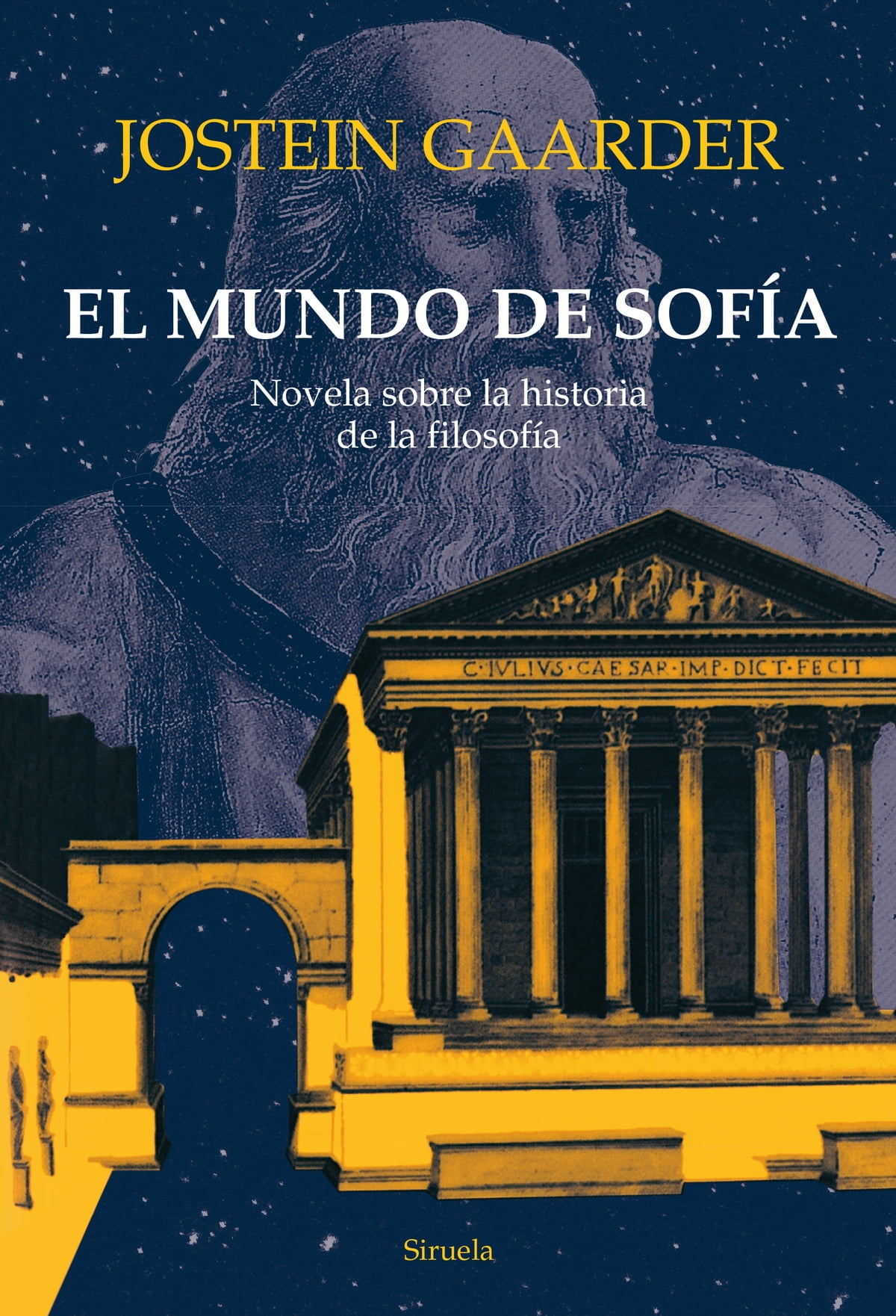
El mundo de Sofia PDF - Jostein Gaarder
Jostein Gaarder • Historical novels • 196 Pages
(0)
Author
Jostein GaarderCategory
literatureSection
Number Of Downloads
79
Number Of Reads
147
File Size
0.58 MB
Views
1,728
Quate
Review
Save
Share
Book Description
El mundo de Sofía, de Jostein Gaarder, es una novela filosófica publicada originalmente en noruego en 1991 con el título Sofies verden por la editorial Aschehoug; en español, la obra está vinculada a Ediciones Siruela y fue traducida por Kirsti Baggethun y Asunción Lorenzo Escrita por el autor noruego Jostein Gaarder, la novela combina relato juvenil, misterio y divulgación de la historia de la filosofía occidental, lo que la ha convertido en una de las introducciones literarias más conocidas al pensamiento filosófico. Su atractivo principal está en presentar ideas complejas mediante una trama accesible, centrada en una adolescente que empieza a preguntarse quién es, de dónde viene el mundo y qué significa pensar.
La historia comienza con Sofía Amundsen, una joven noruega de catorce años que lleva una vida aparentemente normal hasta que encuentra en su buzón una nota anónima con una pregunta sencilla y perturbadora: “¿Quién eres?”. Poco después recibe otra: “¿De dónde viene el mundo?”. Estas preguntas abren la puerta a un curso de filosofía por correspondencia que altera su manera de mirar la realidad. A través de cartas, paquetes y encuentros cada vez más extraños, Sofía comienza a estudiar a los grandes pensadores, desde los filósofos presocráticos, Sócrates, Platón y Aristóteles, hasta corrientes modernas como el racionalismo, el empirismo, la Ilustración, el Romanticismo, el marxismo, el existencialismo y las ideas científicas sobre el universo.
El maestro de Sofía es Alberto Knox, un enigmático filósofo que no solo le explica teorías, sino que también la ayuda a relacionarlas con su propia vida. Las lecciones no aparecen como simples clases: cada etapa del pensamiento occidental se integra en la aventura de la protagonista. Sofía aprende que la filosofía nace del asombro, de la capacidad de hacerse preguntas cuando lo cotidiano parece demasiado normal. Esa mirada curiosa es el motor del libro y también la razón por la que El mundo de Sofía funciona tanto como novela de formación como introducción a la filosofía.
Paralelamente, Sofía empieza a recibir postales dirigidas a otra joven, Hilde Møller Knag, enviadas por su padre, Albert Knag. La aparición de Hilde crea un segundo misterio: ¿por qué las cartas de una desconocida llegan a Sofía? A medida que la narración avanza, la frontera entre la realidad de Sofía y la de Hilde se vuelve cada vez más inestable. El lector descubre que Sofía y Alberto forman parte de un manuscrito escrito por Albert Knag como regalo para su hija Hilde. Esta revelación transforma la novela en una obra metaficcional, donde los personajes toman conciencia de su condición literaria y buscan escapar del control de quien los ha creado.
El conflicto final no se resuelve con una batalla tradicional, sino con una reflexión sobre la libertad, la imaginación y los límites de la realidad. Alberto y Sofía intentan liberarse del poder narrativo de Albert Knag, mientras Hilde, al leer la historia, empieza a comprender la dimensión ética de intervenir en la vida de otros, incluso si esos otros pertenecen a la ficción. De este modo, la novela convierte preguntas filosóficas en preguntas narrativas: qué es existir, qué significa ser libre y hasta qué punto una persona puede conocer el mundo que habita.
El mundo de Sofía de Jostein Gaarder es, en resumen, una novela sobre el aprendizaje del pensamiento. Su argumento combina el despertar intelectual de una adolescente, un curso de historia de la filosofía y un juego literario sobre la creación de mundos ficticios. La obra destaca porque convierte la filosofía en una experiencia narrativa cercana: invita al lector a seguir el misterio de Sofía Amundsen mientras revisa las grandes preguntas de la humanidad. Por eso sigue siendo una lectura recomendada para quienes buscan una novela filosófica clara, imaginativa y centrada en el valor de preguntar.
Jostein Gaarder
Jostein Gaarder is a Norwegian author, intellectual, and former teacher whose writing has made philosophy, wonder, and moral reflection accessible to readers across generations. Born in Oslo in 1952, he grew up in an environment shaped by education and literature, and his later studies in language, religion, and philosophy helped form the distinctive voice that defines his fiction. Before gaining international recognition as a novelist, Gaarder worked as a teacher, a background that is deeply visible in his books: he writes not as someone simplifying ideas from above, but as a storyteller inviting readers into the act of questioning. His most famous work, «Sofies verden», transformed a history of philosophy into a compelling narrative of discovery, mystery, and intellectual awakening. The novel’s success rests on a rare balance: it introduces major philosophical traditions while preserving the suspense and emotional movement of fiction. Rather than presenting ideas as abstract lessons, Gaarder dramatizes them through letters, puzzles, conversations, and a young protagonist’s gradual realization that reality is more layered than it first appears. This method has become one of his literary signatures. Across works such as «Kabalmysteriet», «I et speil, i en gåte», and «Appelsinpiken», he repeatedly returns to the power of childhood curiosity, the fragility of life, and the human need to search for meaning. His characters often stand at thresholds: between childhood and adulthood, belief and doubt, life and death, the visible world and the invisible questions behind it. Gaarder’s prose is clear and approachable, yet it carries philosophical density. He is especially skilled at building stories within stories, using metafictional structures and symbolic details to remind readers that narratives shape how people understand themselves. His books often invite the reader to become a participant rather than a passive observer; the act of reading becomes an act of thinking. This quality explains why his work appeals to both young adult readers and adults who are drawn to reflective fiction. Gaarder does not write philosophy as an academic discipline locked inside institutions; he presents it as a living practice rooted in astonishment. The recurring themes of time, memory, faith, mortality, love, and responsibility give his novels emotional warmth, while his intellectual range gives them lasting educational value. Beyond literature, Gaarder is also associated with environmental concern and ethical engagement, and this awareness appears in his writing as a broader concern for the planet and for future generations. His work suggests that philosophical curiosity should lead not only to self-understanding but also to responsibility toward other people and the natural world. In the landscape of modern Norwegian literature, Gaarder occupies a highly recognizable place: he is a novelist of ideas who turned difficult questions into memorable stories without losing their seriousness. For book websites, library profiles, and author pages, Jostein Gaarder can be described as a writer who unites narrative imagination with intellectual clarity, making him one of the most widely read Norwegian authors of contemporary times. His legacy is inseparable from his ability to show that the deepest questions are not reserved for specialists; they belong to every reader willing to pause, wonder, and ask what it means to be alive.
Earn Rewards While Reading!
Every 10 pages you read and spent 30 seconds on every page, earns you 5 reward points! Keep reading to unlock achievements and exclusive benefits.
Read
Rate Now
5 Stars
4 Stars
3 Stars
2 Stars
1 Stars
El mundo de Sofia Quotes
Top Rated
Latest
Quate
Be the first to leave a quote and earn 10 points
instead of 3
'%20/%3e%3c/svg%3e "La Odisea")
Comments
Be the first to leave a comment and earn 5 points
instead of 3