

The source of the book
This book is published for the public benefit under a Creative Commons license, or with the permission of the author or publisher. If you have any objections to its publication, please contact us.
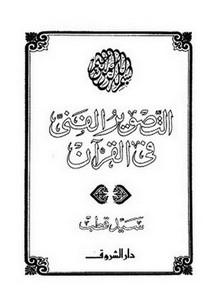
التصوير الفني في القرآن PDF - Sayyid Qutb
Sayyid Qutb • Islam • 260 Pages
(0)
Quate
Review
Save
Share
Book Description
يُعد كتاب التصوير الفني في القرآن من أبرز الأعمال الفكرية والأدبية التي ألّفها سيد قطب، وقد صدر لأول مرة عام 1945 عن دار الشروق في طبعاته المتداولة لاحقًا، بينما نُشر في بداياته عن دار نشر مصرية قبل أن تتولى دار الشروق إعادة طباعته ضمن الأعمال الكاملة للمؤلف. يمثل هذا الكتاب مرحلة مهمة في المسيرة الفكرية لسيد قطب قبل انتقاله إلى مؤلفاته الحركية والفكرية اللاحقة، إذ ينطلق من رؤية أدبية وبلاغية لدراسة القرآن الكريم، مركزًا على جماليات التعبير والتصوير الفني بوصفهما عنصرين أساسيين في التأثير القرآني.
تقوم الفكرة الرئيسة للكتاب على أن القرآن الكريم لا يعتمد في مخاطبة الإنسان على المعاني المجردة وحدها، وإنما يوظف الصور الحية والمشاهد المتحركة والإيقاع اللغوي والتعبير الفني لإيصال رسالته وترسيخها في النفس. ويرى سيد قطب أن هذا الأسلوب التصويري يمنح النص القرآني قوة خاصة في التأثير، حيث تتحول المعاني إلى مشاهد محسوسة تكاد تُرى وتُسمع، مما يجعل القارئ يعيش التجربة الشعورية إلى جانب إدراكها العقلي.
لا يسير الكتاب على هيئة تفسير تقليدي للآيات، بل يقدم دراسة أدبية تحليلية يستعرض فيها المؤلف نماذج متعددة من السور والآيات، مبينًا كيف يستخدم القرآن الحركة واللون والصوت والحوار والمشهد القصصي في بناء صور فنية متكاملة. كما يناقش أثر الإيقاع اللفظي وتناسق الألفاظ مع المعاني، ويبرز العلاقة الوثيقة بين البلاغة القرآنية والغاية الإيمانية، موضحًا أن الجمال الفني في القرآن ليس غاية مستقلة، وإنما وسيلة لتعميق التأثير الروحي والفكري في المتلقي.
يناسب هذا الكتاب القراء المهتمين بالدراسات القرآنية والأدب العربي والبلاغة والنقد الأدبي، كما يفيد طلاب الجامعات والباحثين في مجالات اللغة العربية والعلوم الإسلامية. وقد يجده القارئ العام ممتعًا إذا كان لديه اهتمام بالأساليب البلاغية، إلا أن بعض المقاطع تتطلب قدرًا من الخلفية الأدبية لفهم التحليلات النقدية التي يقدمها المؤلف.
من أبرز نقاط القوة في الكتاب أسلوب سيد قطب الأدبي الرشيق، وقدرته على الجمع بين التحليل البلاغي والذوق الأدبي، مع تقديم رؤية جديدة نسبيًا في زمن صدوره، إذ نقل دراسة الإعجاز القرآني من التركيز على الجوانب اللغوية التقليدية إلى إبراز البعد الفني والتصويري. كما يتميز الكتاب بكثرة الأمثلة التطبيقية التي تساعد القارئ على ملاحظة الخصائص الأسلوبية للنص القرآني بصورة عملية.
في المقابل، يرى بعض الباحثين أن الكتاب يغلب عليه الطابع الانطباعي في بعض المواضع، حيث يعتمد المؤلف أحيانًا على التذوق الأدبي أكثر من اعتماده على المنهج الأكاديمي الصارم أو التحليل اللغوي التفصيلي. كما أن بعض آرائه أصبحت محل نقاش في الدراسات البلاغية الحديثة، التي توسعت في مناهج تحليل النص القرآني مقارنة بما كان متاحًا وقت تأليف الكتاب.
ما يميز "التصوير الفني في القرآن" عن كثير من الكتب المشابهة أنه لا يقتصر على شرح المفردات أو بيان الأحكام أو أوجه الإعراب، بل ينظر إلى القرآن باعتباره نصًا يمتلك بناءً فنيًا متكاملًا، ويحلل كيفية توظيف الصورة والإيقاع والحركة في تحقيق التأثير النفسي والجمالي. وقد كان لهذا الطرح أثر واضح في تطور الدراسات الأدبية المتعلقة بالقرآن الكريم، وأثر كذلك في عدد من الباحثين الذين اهتموا بالجانب الفني في النص القرآني.
يُعد الكتاب جديرًا بالقراءة لكل من يرغب في التعرف إلى رؤية أدبية مختلفة للقرآن الكريم، سواء بهدف الدراسة أو تنمية التذوق البلاغي. ورغم مرور عقود على صدوره، فإنه ما يزال يحتفظ بقيمته التاريخية والفكرية بوصفه من أوائل المؤلفات التي عالجت الجوانب الفنية في القرآن معالجة مستقلة. ويأتي الكتاب في سياق النهضة الأدبية والفكرية التي شهدها العالم العربي في النصف الأول من القرن العشرين، حيث ازداد الاهتمام بتجديد مناهج النقد والبلاغة، ومحاولة قراءة التراث الإسلامي برؤى أدبية حديثة. ولم يحصل الكتاب على جوائز أدبية معروفة، إلا أنه يُعد من أشهر مؤلفات سيد قطب وأكثرها تأثيرًا في مجال الدراسات الأدبية للقرآن الكريم، ولا يزال يحظى باهتمام القراء والباحثين حتى اليوم.
Sayyid Qutb
Sayyid Qutb (1906–1966) was an Egyptian writer, literary critic, educator, poet, and influential Islamic thinker whose works have had a profound impact on modern Islamic thought. Born on October 9, 1906, in the village of Musha in Asyut Governorate, Egypt, Qutb grew up in a religious family and memorized the Quran at an early age. His early education and intellectual curiosity led him to pursue higher studies in Cairo, where he graduated from Dar al-Ulum, an institution specializing in Arabic language, literature, and education.
During the early years of his career, Sayyid Qutb worked as a teacher and later as an inspector in the Egyptian Ministry of Education. At that time, he was primarily known as a literary critic and author rather than a religious scholar. He wrote numerous essays on Arabic literature, poetry, and social issues, earning recognition for his analytical writing style and intellectual depth. His literary works reflected his concern for social justice, morality, and the cultural development of Egyptian society.
In the late 1940s, Qutb traveled to the United States to study educational methods. His experiences abroad significantly influenced his worldview. Upon returning to Egypt, he became increasingly interested in Islamic reform and eventually joined the Muslim Brotherhood, where he emerged as one of its leading intellectual figures. His writings during this period focused on the relationship between Islam, society, politics, and morality.
Among his most well-known works is "In the Shade of the Qur'an" (Fi Zilal al-Qur'an), a multi-volume commentary on the Quran that combines religious interpretation with reflections on contemporary social and moral issues. Another notable work is "Milestones" (Ma'alim fi al-Tariq), a book in which he discussed his vision of Islamic society and the role of faith in shaping human life. These publications became highly influential in discussions of Islamic political thought and continue to be widely studied by scholars, historians, and students of religion.
Sayyid Qutb's life was closely connected with the political developments of Egypt during the 1950s and 1960s. Following political tensions between the Egyptian government and the Muslim Brotherhood, he was arrested and spent several years in prison. During his imprisonment, he continued writing and refining many of his ideas despite difficult conditions. In 1966, after being convicted by the Egyptian authorities on charges related to alleged conspiracy against the government, he was executed by hanging. His trial and execution remain subjects of historical and political debate.
Qutb's intellectual legacy is both influential and controversial. Many people regard him as an important Islamic writer whose works emphasize spiritual renewal, social justice, and the central role of religion in public life. Others have criticized aspects of his political thought, arguing that some of his ideas have been interpreted or adopted by later extremist groups. Scholars generally note that his writings have been understood in different ways across various historical, political, and religious contexts. As a result, his work continues to be the subject of extensive academic research, debate, and analysis.
Beyond his political and religious influence, Sayyid Qutb also made significant contributions to Arabic literature and literary criticism. His early essays demonstrated a deep appreciation for language, artistic expression, and cultural identity. Even today, researchers examine both his literary and religious writings to better understand the evolution of his ideas and their impact on modern intellectual history.
Overall, Sayyid Qutb remains one of the most significant and debated figures in twentieth-century Islamic thought. His books have been translated into numerous languages and continue to influence discussions on religion, politics, ethics, and society. Whether viewed as a literary figure, religious thinker, or political intellectual, his life and writings occupy an important place in the study of modern Middle Eastern history and Islamic intellectual traditions.
Earn Rewards While Reading!
Every 10 pages you read and spent 30 seconds on every page, earns you 5 reward points! Keep reading to unlock achievements and exclusive benefits.
Read
Rate Now
5 Stars
4 Stars
3 Stars
2 Stars
1 Stars
التصوير الفني في القرآن Quotes
Top Rated
Latest
Quate
Be the first to leave a quote and earn 10 points
instead of 3
'%20/%3e%3c/svg%3e "معالم في الطريق")
Comments
Be the first to leave a comment and earn 5 points
instead of 3