

The source of the book
This book is published for the public benefit under a Creative Commons license, or with the permission of the author or publisher. If you have any objections to its publication, please contact us.
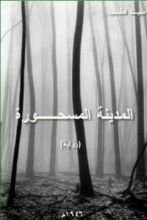
المدينة المسحورة PDF - Sayyid Qutb
Sayyid Qutb • literature • 89 Pages
(0)
Quate
Review
Save
Share
Book Description
كتاب «المدينة المسحورة» هو عمل أدبي من تأليف سيد قطب، ويُعد من المحاولات الروائية المبكرة في مسيرته الأدبية قبل أن يشتهر بكتاباته الفكرية والنقدية. نُشر الكتاب لأول مرة في أربعينيات القرن العشرين عن دار المعارف في مصر، وينتمي إلى الأدب الرمزي الذي يمزج بين الخيال والتأمل الاجتماعي والفلسفي. ويكشف العمل عن اهتمام المؤلف بقضايا الإنسان والمجتمع، مع توظيف عناصر الحكاية الرمزية لتقديم أفكار تتجاوز حدود المكان والزمان.
تدور الفكرة الأساسية في المدينة المسحورة حول البحث عن الحقيقة والحرية في مواجهة الإغراءات والأوهام التي قد تستحوذ على الإنسان. يبني سيد قطب عالماً روائياً يحمل طابعاً رمزياً، حيث تصبح المدينة نفسها صورةً لمجتمع يخضع لقوى تؤثر في إرادة أفراده وتوجّه خياراتهم. ومن خلال رحلة الشخصيات داخل هذا العالم، يطرح الكاتب أسئلة تتعلق بالقيم الإنسانية، والصراع بين المظاهر والحقائق، وإمكان تحرر الإنسان من القيود الفكرية والنفسية.
لا تعتمد الرواية على التشويق التقليدي بقدر اعتمادها على الرموز والدلالات الفكرية. فالأحداث تتقدم عبر مواقف تحمل أبعاداً فلسفية، وتُستخدم الشخصيات بوصفها نماذج تمثل أفكاراً أو مواقف مختلفة تجاه الحياة. ومع تطور السرد، تتكشف طبيعة المدينة وما تمثله من إغراءات وخداع، بينما تسعى الشخصيات إلى اكتشاف الحقيقة والوصول إلى فهم أعمق لأنفسها وللعالم المحيط بها. ولهذا السبب، تميل الرواية إلى التأمل أكثر من تركيزها على الحبكة السريعة أو المفاجآت الدرامية.
يناسب هذا الكتاب القراء الذين يستمتعون بالروايات الفكرية والرمزية، والمهتمين بالتعرف إلى المرحلة الأدبية في حياة سيد قطب قبل تحوله إلى الكتابة الإسلامية والفكرية. كما يفيد دارسي الأدب العربي الحديث، لأنه يعكس جانباً أقل شهرة من إنتاج المؤلف، ويُظهر تأثره بالتيارات الأدبية والفكرية التي كانت سائدة في النصف الأول من القرن العشرين. أما من يبحث عن رواية تعتمد على الإثارة أو الأحداث المتلاحقة، فقد يجد إيقاع العمل هادئاً نسبياً.
من أبرز نقاط القوة في الرواية لغتها العربية المتينة وأسلوبها الأدبي الذي يجمع بين الوصف والتأمل، إضافة إلى قدرتها على توظيف الرمز لخدمة الأفكار المطروحة دون التخلي عن الجانب القصصي. كما تبرز قيمة العمل في كونه يقدم صورة عن تطور تجربة سيد قطب الأدبية قبل انتقاله إلى مؤلفاته الفكرية الأشهر. وفي المقابل، قد يرى بعض القراء أن كثافة الرموز والطابع الفلسفي يجعلان الرواية أقل مباشرة وأكثر تطلباً من حيث التفسير، وهو ما قد يحد من جاذبيتها لدى من يفضلون السرد الواقعي البسيط.
ما يميز المدينة المسحورة عن كثير من الروايات العربية في الفترة نفسها هو محاولتها الجمع بين الخيال الرمزي والأسئلة الفكرية في إطار روائي، بعيداً عن الاكتفاء بالوصف الاجتماعي المباشر. كما أنها تمثل وثيقة أدبية لفهم بدايات سيد قطب ككاتب وروائي، وتوضح اهتمامه المبكر بقضايا الإنسان والعدالة والبحث عن الحقيقة، وهي موضوعات ستظل حاضرة بأشكال مختلفة في أعماله اللاحقة.
تأتي الرواية في سياق ثقافي شهد ازدهار الحركة الأدبية المصرية وتنوع اتجاهاتها، حيث كان الأدباء يجربون أساليب جديدة تجمع بين الواقعية والرمزية والتأمل الفلسفي. ولذلك يمكن قراءة المدينة المسحورة باعتبارها جزءاً من هذا المناخ الثقافي الذي سعى إلى تطوير الرواية العربية وتوسيع آفاقها الفكرية والفنية.
لم يُعرف عن المدينة المسحورة حصولها على جوائز أدبية بارزة، كما أنها ليست من أشهر مؤلفات سيد قطب مقارنة بكتبه الفكرية والنقدية. ومع ذلك، تبقى الرواية جديرة بالقراءة لكل من يرغب في استكشاف الجانب الأدبي من تجربة مؤلفها، وفهم تطور أسلوبه وأفكاره في مرحلة مبكرة من حياته. إنها عمل يركز على الفكرة والرمز أكثر من الحدث، ويقدم تجربة قراءة مختلفة للمهتمين بالأدب العربي الكلاسيكي الحديث والروايات ذات الأبعاد الفكرية.
Sayyid Qutb
Sayyid Qutb (1906–1966) was an Egyptian writer, literary critic, educator, poet, and influential Islamic thinker whose works have had a profound impact on modern Islamic thought. Born on October 9, 1906, in the village of Musha in Asyut Governorate, Egypt, Qutb grew up in a religious family and memorized the Quran at an early age. His early education and intellectual curiosity led him to pursue higher studies in Cairo, where he graduated from Dar al-Ulum, an institution specializing in Arabic language, literature, and education.
During the early years of his career, Sayyid Qutb worked as a teacher and later as an inspector in the Egyptian Ministry of Education. At that time, he was primarily known as a literary critic and author rather than a religious scholar. He wrote numerous essays on Arabic literature, poetry, and social issues, earning recognition for his analytical writing style and intellectual depth. His literary works reflected his concern for social justice, morality, and the cultural development of Egyptian society.
In the late 1940s, Qutb traveled to the United States to study educational methods. His experiences abroad significantly influenced his worldview. Upon returning to Egypt, he became increasingly interested in Islamic reform and eventually joined the Muslim Brotherhood, where he emerged as one of its leading intellectual figures. His writings during this period focused on the relationship between Islam, society, politics, and morality.
Among his most well-known works is "In the Shade of the Qur'an" (Fi Zilal al-Qur'an), a multi-volume commentary on the Quran that combines religious interpretation with reflections on contemporary social and moral issues. Another notable work is "Milestones" (Ma'alim fi al-Tariq), a book in which he discussed his vision of Islamic society and the role of faith in shaping human life. These publications became highly influential in discussions of Islamic political thought and continue to be widely studied by scholars, historians, and students of religion.
Sayyid Qutb's life was closely connected with the political developments of Egypt during the 1950s and 1960s. Following political tensions between the Egyptian government and the Muslim Brotherhood, he was arrested and spent several years in prison. During his imprisonment, he continued writing and refining many of his ideas despite difficult conditions. In 1966, after being convicted by the Egyptian authorities on charges related to alleged conspiracy against the government, he was executed by hanging. His trial and execution remain subjects of historical and political debate.
Qutb's intellectual legacy is both influential and controversial. Many people regard him as an important Islamic writer whose works emphasize spiritual renewal, social justice, and the central role of religion in public life. Others have criticized aspects of his political thought, arguing that some of his ideas have been interpreted or adopted by later extremist groups. Scholars generally note that his writings have been understood in different ways across various historical, political, and religious contexts. As a result, his work continues to be the subject of extensive academic research, debate, and analysis.
Beyond his political and religious influence, Sayyid Qutb also made significant contributions to Arabic literature and literary criticism. His early essays demonstrated a deep appreciation for language, artistic expression, and cultural identity. Even today, researchers examine both his literary and religious writings to better understand the evolution of his ideas and their impact on modern intellectual history.
Overall, Sayyid Qutb remains one of the most significant and debated figures in twentieth-century Islamic thought. His books have been translated into numerous languages and continue to influence discussions on religion, politics, ethics, and society. Whether viewed as a literary figure, religious thinker, or political intellectual, his life and writings occupy an important place in the study of modern Middle Eastern history and Islamic intellectual traditions.
Earn Rewards While Reading!
Every 10 pages you read and spent 30 seconds on every page, earns you 5 reward points! Keep reading to unlock achievements and exclusive benefits.
Read
Rate Now
5 Stars
4 Stars
3 Stars
2 Stars
1 Stars
المدينة المسحورة Quotes
Top Rated
Latest
Quate
Be the first to leave a quote and earn 10 points
instead of 3
'%20/%3e%3c/svg%3e "معالم في الطريق")
Comments
Be the first to leave a comment and earn 5 points
instead of 3