

The source of the book
This book is published for the public benefit under a Creative Commons license, or with the permission of the author or publisher. If you have any objections to its publication, please contact us.
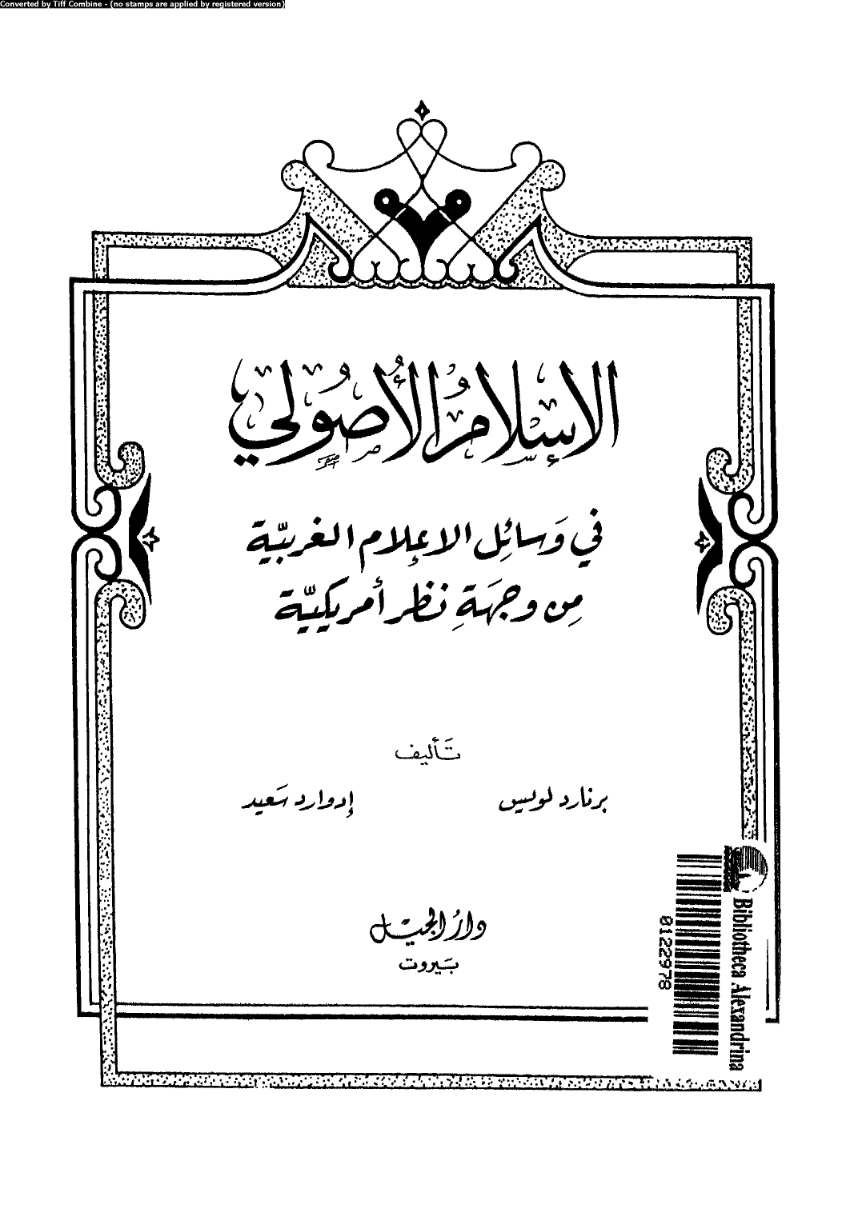
الإسلام الأصولي PDF - Edward Said
Edward Said • Politics • 140 Pages
(0)
Quate
Review
Save
Share
Book Description
كتاب "الإسلام الأصولي" للمفكر والناقد الفلسطيني الأمريكي إدوارد سعيد هو عمل يتناول الطريقة التي جرى بها تمثيل الحركات الإسلامية في الخطاب الغربي، أكثر مما يسعى إلى تقديم دراسة فقهية أو دينية للإسلام نفسه. نُشر الكتاب في الأصل باللغة الإنجليزية ضمن كتابات سعيد حول الإعلام والاستشراق والسياسة، وتوجد له ترجمات عربية صادرة عن دور نشر مختلفة بحسب البلد، لذلك لا يمكن الجزم بناشر واحد دون تحديد الطبعة. أما سنة النشر فتختلف أيضًا باختلاف ما إذا كان المقصود المقالة الأصلية أو النسخة العربية المترجمة، لذا يُستحسن ذكر بيانات الطبعة التي تعتمد عليها عند النشر.
يركز إدوارد سعيد في "الإسلام الأصولي" على تحليل الصورة التي رسمتها وسائل الإعلام الغربية والمؤسسات السياسية للإسلام والحركات الإسلامية، خاصة بعد أحداث سياسية كبرى في الشرق الأوسط خلال العقود الأخيرة من القرن العشرين. ويجادل بأن مصطلح "الأصولية الإسلامية" استُخدم في كثير من الأحيان بطريقة فضفاضة تجمع بين تيارات وأفكار مختلفة تحت عنوان واحد، مما يؤدي إلى تكوين صورة نمطية تختزل المجتمعات الإسلامية وتغفل تنوعها الثقافي والسياسي والديني.
يعتمد الكتاب على المنهج النقدي الذي اشتهر به سعيد، حيث يناقش العلاقة بين المعرفة والسلطة، ويبين كيف يمكن للإعلام والخطاب الأكاديمي والسياسي أن يسهما في تشكيل تصورات الجمهور عن الإسلام. ويرى أن فهم الظواهر الإسلامية لا يتحقق من خلال الصور الإعلامية السريعة أو الأحكام العامة، وإنما عبر دراسة السياقات التاريخية والاجتماعية والسياسية التي نشأت فيها هذه الحركات. كما يناقش كيف أن بعض الخطابات الغربية تعاملت مع الإسلام باعتباره تهديدًا حضاريًا، متجاهلة الفروق بين الجماعات الإسلامية المختلفة، وبين الممارسات الدينية اليومية للمسلمين وبين الحركات السياسية.
يناسب هذا الكتاب القراء المهتمين بالفكر السياسي، والدراسات الثقافية، والعلاقات بين الشرق والغرب، ونقد الإعلام، إضافة إلى طلاب العلوم السياسية والدراسات الإسلامية ودراسات ما بعد الاستعمار. ولا يُعد كتابًا تمهيديًا في العقيدة الإسلامية أو تاريخ الإسلام، بل هو دراسة نقدية للخطاب الغربي حول الإسلام، ولذلك قد يجد القارئ غير المعتاد على الكتابات الفكرية بعض الصعوبة في متابعة أفكاره وتحليلاته.
من أبرز نقاط قوة الكتاب عمق التحليل، وربطه بين الإعلام والسياسة وإنتاج المعرفة، واستناده إلى مشروع إدوارد سعيد الفكري الذي اشتهر به منذ كتابه "الاستشراق". كما يتميز بأسلوب حجاجي يحفز القارئ على إعادة النظر في المفاهيم الشائعة حول الإسلام والأصولية. في المقابل، يرى بعض النقاد أن تركيز سعيد ينصب بصورة أساسية على نقد الخطاب الغربي، بينما يمنح مساحة أقل لتحليل الاختلافات الداخلية بين الحركات الإسلامية نفسها، وهو ما قد يترك لدى بعض القراء رغبة في معالجة أكثر تفصيلًا للجوانب الفكرية والتنظيمية لهذه الحركات.
ما يميز "الإسلام الأصولي" عن كثير من الكتب التي تناولت الموضوع أنه لا يركز على تصنيف الجماعات الإسلامية أو دراسة أفكارها الدينية، وإنما يحلل الكيفية التي يُنتج بها الخطاب الإعلامي والسياسي صورة معينة عن الإسلام، وكيف تؤثر هذه الصورة في السياسات الدولية وفي الرأي العام. وهذا يجعله جزءًا من المشروع الفكري الأوسع لإدوارد سعيد في نقد الاستشراق وتمثيل الشرق في الثقافة الغربية.
من حيث القيمة الفكرية، يُعد الكتاب جديرًا بالقراءة لكل من يرغب في فهم العلاقة بين الإعلام والسياسة وصناعة الصور الذهنية عن الإسلام، خاصة إذا قُرئ إلى جانب أعمال أخرى تقدم رؤى مختلفة حول الحركات الإسلامية نفسها، بما يتيح للقارئ تكوين تصور أكثر توازنًا. أما سياقه الثقافي والفكري فيرتبط بمرحلة تصاعد الاهتمام الغربي بالإسلام السياسي خلال أواخر القرن العشرين، وبالنقاشات الواسعة حول الاستشراق والهوية والتمثيل الثقافي، وهي القضايا التي احتلت مكانة مركزية في كتابات إدوارد سعيد. ولا يُعرف عن هذا العمل حصوله على جوائز مستقلة بعينها، إلا أن أهميته مستمدة من مكانته ضمن الإنتاج الفكري الواسع لإدوارد سعيد وتأثيره الكبير في دراسات ما بعد الاستعمار والنقد الثقافي.
Edward Said
Edward Wadie Said (1 November 1935 – 24 September 2003) was a Palestinian-American literary critic, cultural theorist, public intellectual, and one of the most influential scholars in the fields of comparative literature and postcolonial studies. Born in Jerusalem, then under the British Mandate for Palestine, he spent much of his childhood between Jerusalem and Cairo before moving to the United States for his higher education. Throughout his career, Said wrote primarily in English and became internationally recognized for his groundbreaking analysis of the relationship between culture, literature, imperialism, and political power. His academic work transformed literary criticism and the humanities while also making him one of the most prominent advocates for Palestinian rights in the Western world.
Said was born into a Christian Palestinian family. His father, Wadie Said, was a successful businessman who had served in the United States Army during World War I and later became an American citizen, while his mother, Hilda Musa Said, came from a Lebanese-Palestinian background. Growing up in Jerusalem and Cairo exposed him to multiple cultures, languages, and political realities. This multicultural upbringing deeply influenced his understanding of identity, displacement, and colonialism—subjects that would later become central themes in his scholarship.
He attended elite schools in Cairo before being sent to the United States to complete his education. Said earned a Bachelor of Arts degree from Princeton University in 1957 and later completed both his Master of Arts and Doctor of Philosophy (Ph.D.) degrees in English Literature at Harvard University. His doctoral studies focused on literary criticism and the works of major Western authors, laying the foundation for his distinguished academic career.
In 1963, Edward Said joined the faculty of Columbia University in New York City, where he taught English and Comparative Literature for nearly four decades. He eventually became University Professor, Columbia's highest academic rank. During his time at Columbia, Said developed a reputation as an exceptional lecturer, rigorous scholar, and influential mentor. He also held visiting positions at prestigious institutions such as Harvard University, Yale University, Johns Hopkins University, and Stanford University.
Said's writing style combined literary analysis, philosophy, history, politics, and cultural criticism. Drawing inspiration from thinkers such as Michel Foucault, Antonio Gramsci, Erich Auerbach, and Giambattista Vico, he argued that literature cannot be separated from the political and historical contexts in which it is produced. His works challenged traditional Western academic perspectives by exposing how knowledge and power often reinforce one another.
His most influential book, Orientalism (1978), fundamentally changed the study of the Middle East, colonialism, and literary criticism. In this landmark work, Said argued that Western representations of the "Orient"—including the Middle East, North Africa, and parts of Asia—had historically been shaped by stereotypes, prejudice, and imperial interests rather than objective scholarship. He demonstrated how literature, travel writing, art, and academic studies contributed to constructing an image of the East as exotic, backward, irrational, and inferior, thereby justifying European colonial domination. Orientalism became one of the foundational texts of postcolonial studies and remains widely discussed across numerous academic disciplines.
Among his other major publications are The Question of Palestine (1979), Covering Islam (1981), Culture and Imperialism (1993), Representations of the Intellectual (1994), Out of Place (1999), his acclaimed memoir, and Humanism and Democratic Criticism (2004), published posthumously. These works explore themes including colonialism, nationalism, exile, identity, media representation, intellectual responsibility, and the enduring legacy of empire.
In addition to his academic work, Said was an outspoken political commentator and advocate for Palestinian self-determination. He frequently wrote essays for newspapers and magazines, delivered public lectures worldwide, and participated in debates about the Israeli-Palestinian conflict. Although admired by many for his courage and intellectual independence, his political positions also made him a controversial figure in both academic and public life.
Edward Said was also an accomplished pianist and a passionate supporter of music. Together with Israeli conductor Daniel Barenboim, he co-founded the West–Eastern Divan Orchestra in 1999. The orchestra brought together young musicians from Israel, Palestine, and several Arab countries to promote dialogue, cooperation, and mutual understanding through music. This initiative reflected Said's belief that culture and the arts could foster communication even in the midst of political conflict.
Throughout his career, Said received numerous honorary degrees and academic distinctions from universities around the world. Although he did not receive major literary awards in the traditional sense, his scholarly influence was extraordinary. Orientalism alone has been translated into dozens of languages and has shaped generations of scholars working in literature, history, anthropology, sociology, political science, and cultural studies.
Several quotations from Edward Said have become widely cited, including: "Humanism is centered upon the agency of human individuality," "Exile is strangely compelling to think about but terrible to experience," and "The role of the intellectual is to speak the truth to power." These statements reflect his lifelong commitment to critical inquiry, moral responsibility, and intellectual independence.
Edward Said died in New York City on 24 September 2003 after a long battle with leukemia. He was 67 years old. Despite his passing, his intellectual legacy continues to influence scholars, students, writers, and activists across the globe. His pioneering work reshaped the study of literature, culture, and colonialism while encouraging readers to question dominant narratives and examine the complex relationships between knowledge, representation, and power. Today, Edward Said remains one of the defining public intellectuals of the twentieth century, whose ideas continue to inspire critical thinking and cross-cultural dialogue.
Earn Rewards While Reading!
Every 10 pages you read and spent 30 seconds on every page, earns you 5 reward points! Keep reading to unlock achievements and exclusive benefits.
Read
Rate Now
5 Stars
4 Stars
3 Stars
2 Stars
1 Stars
الإسلام الأصولي Quotes
Top Rated
Latest
Quate
Be the first to leave a quote and earn 10 points
instead of 3
'%20/%3e%3c/svg%3e "تغطية الإسلام")
Comments
Be the first to leave a comment and earn 5 points
instead of 3