

The source of the book
This book is published for the public benefit under a Creative Commons license, or with the permission of the author or publisher. If you have any objections to its publication, please contact us.
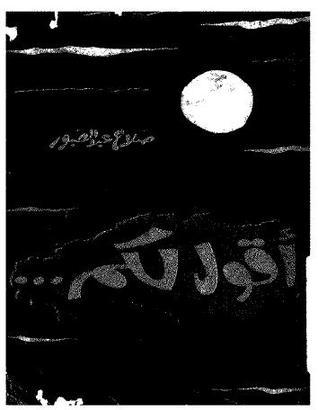
أقول لكم PDF - Salah Abdel Sabour
Salah Abdel Sabour • a play • 117 Pages
(0)
Quate
Review
Save
Share
Book Description
كتاب «أقول لكم» هو عمل أدبي وفكري للشاعر والكاتب المصري صلاح عبد الصبور، أحد أبرز رواد الشعر الحر في الأدب العربي الحديث. صدر الكتاب في ستينيات القرن العشرين عن دار الكاتب العربي، ويضم مجموعة من المقالات والتأملات التي تعكس رؤية المؤلف للثقافة والأدب والفن والإنسان في مرحلة كانت تشهد تحولات فكرية وسياسية كبيرة في العالم العربي.
لا ينتمي «أقول لكم» إلى الرواية أو الشعر، بل هو كتاب مقالات أدبية وفكرية يطرح فيه صلاح عبد الصبور أفكاره بلغة تجمع بين العمق الفلسفي والأسلوب الأدبي الرشيق. يناقش المؤلف قضايا تتعلق بالإبداع، ودور المثقف، والعلاقة بين الإنسان والمجتمع، كما يتناول مفهوم الحرية، وقيمة الفن، وتأثير التحولات الاجتماعية في الأدب. ويحرص على تقديم رؤيته بعيدًا عن الخطابة أو الأحكام المطلقة، معتمدًا على التأمل والتحليل وربط التجربة الشخصية بالسياق الثقافي العام.
تعكس مقالات الكتاب اهتمام صلاح عبد الصبور بالبحث عن المعنى الإنساني في زمن التغير، إذ يدعو القارئ إلى التفكير النقدي وعدم الاكتفاء بالمسلمات. ويبرز في الكتاب إيمانه بأن الأدب ليس وسيلة للترفيه فحسب، بل أداة لفهم الذات والعالم، وأن الشاعر والمفكر يتحملان مسؤولية أخلاقية وثقافية تجاه المجتمع. كما تتداخل في النصوص إشارات إلى التراث العربي والفكر الإنساني الحديث، مما يمنحها بعدًا ثقافيًا واسعًا.
يناسب «أقول لكم» القراء المهتمين بالأدب العربي الحديث، وطلاب النقد الأدبي، والباحثين في الفكر الثقافي، وكذلك كل من يرغب في التعرف إلى رؤية أحد أبرز شعراء القرن العشرين تجاه قضايا الإبداع والإنسان. وقد يجد القارئ الذي يبحث عن سرد روائي متصل أن طبيعة الكتاب المقالية تتطلب قراءة متأنية، بينما سيستمتع محبو المقالات الفكرية بلغته الرفيعة وأفكاره المتنوعة.
من أبرز نقاط قوة الكتاب أسلوب صلاح عبد الصبور، الذي يمتاز بالدقة والوضوح مع المحافظة على الحس الشعري الذي اشتهر به. وتتميز المقالات بقدرتها على الجمع بين التأمل الفلسفي والتعبير الأدبي، دون أن تتحول إلى نصوص أكاديمية جافة. كما أن كثيرًا من القضايا التي يناقشها ما زالت تحتفظ براهنيتها، مثل علاقة المثقف بالمجتمع وأهمية الحرية الفكرية. أما من نقاط الضعف المحتملة بالنسبة لبعض القراء، فهي أن بعض المقالات ترتبط بسياقها التاريخي والثقافي، مما قد يجعل فهم بعض الإشارات يحتاج إلى معرفة مسبقة بالأحداث أو الشخصيات التي يتناولها الكاتب.
ما يميز «أقول لكم» عن كثير من كتب المقالات الأدبية المعاصرة له هو حضور الصوت الشخصي للمؤلف، وقدرته على المزج بين الخبرة الإبداعية والتأمل الفكري. فصلاح عبد الصبور لا يكتفي بعرض الأفكار، بل يقدمها من خلال تجربة شاعر عاش تحولات مهمة في الثقافة العربية، وهو ما يمنح الكتاب طابعًا إنسانيًا وأدبيًا خاصًا. كما أن لغته المتوازنة تجعل النصوص قابلة للقراءة حتى بعد مرور سنوات طويلة على صدورها.
تنبع أهمية الكتاب من سياقه الثقافي، فقد كُتب في مرحلة ازدهر فيها الجدل حول الحداثة، وتجديد الأدب العربي، ودور المثقف في المجتمع. لذلك يمثل وثيقة فكرية تعكس جانبًا من المناخ الثقافي الذي أسهم في تشكيل الأدب العربي الحديث، ويتيح للقارئ فهمًا أعمق للأفكار التي شغلت جيلًا كاملًا من الأدباء والمفكرين.
لا يُعرف أن «أقول لكم» قد حصل على جوائز مستقلة، إلا أن مؤلفه صلاح عبد الصبور يُعد من أبرز رموز الشعر العربي الحديث، ونال جائزة الدولة التقديرية في الآداب بعد مسيرة أدبية تركت أثرًا كبيرًا في الشعر والمسرح الشعري والمقالة الفكرية.
يبقى «أقول لكم» كتابًا جديرًا بالقراءة لكل من يهتم بالفكر والأدب العربي الحديث، لأنه يقدم رؤية عميقة ومتوازنة لقضايا الإبداع والثقافة، ويكشف جانبًا مهمًا من شخصية صلاح عبد الصبور بوصفه شاعرًا ومفكرًا، وليس مجرد مبدع في مجال الشعر وحده. وعلى الرغم من ارتباط بعض نصوصه بظروف زمنها، فإن أسئلته حول الإنسان والحرية ودور الأدب ما تزال تحتفظ بقيمتها الفكرية والأدبية حتى اليوم.
Salah Abdel Sabour
Salah Abdel Sabour (1931–1981) was one of the most influential Egyptian poets, playwrights, and literary critics of the twentieth century. Widely regarded as a pioneer of modern Arabic free verse, he played a central role in transforming contemporary Arabic poetry by introducing innovative forms of expression while preserving the richness of the Arabic literary tradition. His works are celebrated for their philosophical depth, emotional intensity, and exploration of existential questions, making him one of the defining voices of modern Arabic literature.
Born on May 3, 1931, in the city of Zagazig, Egypt, Abdel Sabour developed an early passion for literature, philosophy, and the arts. He studied Arabic language and literature at Cairo University, graduating in the early 1950s. During his university years, he became deeply interested in both classical Arabic poetry and Western literary movements, drawing inspiration from writers such as T. S. Eliot, Federico García Lorca, and existentialist philosophers. This combination of Eastern literary heritage and Western modernism shaped his distinctive poetic voice.
Salah Abdel Sabour emerged as one of the leading figures of the Arabic free verse movement, which revolutionized Arabic poetry during the mid-twentieth century. Unlike traditional Arabic poetry, which relied heavily on fixed meters and rhyme schemes, free verse allowed poets greater flexibility in rhythm and structure. Abdel Sabour used this freedom to express complex emotions, philosophical reflections, and social concerns with remarkable originality. His poetry often examined themes such as alienation, love, mortality, freedom, injustice, spiritual struggle, and the search for meaning in a rapidly changing world.
His first poetry collection, People in My Country (Al-Nas fi Biladi), published in 1957, established him as a major literary voice. The collection departed from conventional poetic forms and offered vivid portrayals of ordinary people while reflecting the social and political realities of modern Egypt. It was praised for its innovative language and emotional sincerity, helping to define a new generation of Arabic poetry.
Throughout his career, Abdel Sabour published several highly regarded poetry collections, including I Say to You, Dreams of the Ancient Knight, Meditations in a Wounded Time, and The Tree Speaks. These works reveal his remarkable ability to blend lyrical beauty with philosophical inquiry. His poems rarely provide simple answers; instead, they invite readers to contemplate life's contradictions and the complexities of human existence.
Beyond poetry, Salah Abdel Sabour was an accomplished playwright whose verse dramas are considered milestones in modern Arabic theatre. His most famous play, The Tragedy of Al-Hallaj, dramatizes the life of the celebrated Sufi mystic Mansur Al-Hallaj. Through this historical figure, Abdel Sabour explored themes of spiritual freedom, political oppression, sacrifice, and the conflict between individual conscience and institutional authority. The play remains one of the most important works in Arabic poetic drama and continues to be studied and performed throughout the Arab world.
His other dramatic works, including The Princess Waits, After the King Dies, and The Traveler by Night, further demonstrate his ability to combine poetic language with symbolic storytelling. These plays often employ allegory and metaphor to address universal questions about power, justice, identity, and the human condition. Their timeless themes have allowed them to remain relevant decades after they were written.
In addition to his creative writing, Abdel Sabour held numerous cultural and administrative positions. He worked as a journalist, editor, translator, and cultural official, contributing significantly to Egypt's literary institutions. He also served as the chairman of the Egyptian General Book Organization, where he supported publishing initiatives and promoted literary culture across Egypt. His essays and literary criticism reveal his deep commitment to artistic excellence and intellectual freedom.
One of Abdel Sabour's greatest achievements was his ability to bridge tradition and modernity. While embracing new poetic forms, he never rejected the rich heritage of classical Arabic literature. Instead, he reinterpreted traditional themes, symbols, and linguistic beauty through a modern philosophical perspective. This balance earned him admiration from both traditional scholars and progressive writers.
His influence extends far beyond Egypt. Salah Abdel Sabour is regarded as one of the foundational figures of modern Arabic literature, and his works have been translated into numerous languages, introducing international readers to the richness of contemporary Arabic poetry. Scholars continue to study his contributions to poetry, theatre, literary criticism, and cultural thought, recognizing him as a writer whose work transcends national boundaries.
Sadly, Salah Abdel Sabour passed away on August 13, 1981, at the age of fifty. Although his life was relatively short, his literary legacy remains extraordinary. His poems and plays continue to inspire readers, writers, students, and scholars across the Arab world and beyond. His exploration of humanity's deepest questions—faith, justice, suffering, hope, and the pursuit of truth—ensures that his work remains both relevant and timeless.
Today, Salah Abdel Sabour is remembered not only as a pioneering poet but also as a visionary intellectual who reshaped modern Arabic literature. His innovative approach to poetry, his profound dramatic works, and his unwavering dedication to cultural development have secured his place among the greatest literary figures in the history of Arabic letters. His writings continue to encourage readers to reflect on the complexities of life, making his voice as powerful and meaningful today as it was during his lifetime.
Earn Rewards While Reading!
Every 10 pages you read and spent 30 seconds on every page, earns you 5 reward points! Keep reading to unlock achievements and exclusive benefits.
Read
Rate Now
5 Stars
4 Stars
3 Stars
2 Stars
1 Stars
أقول لكم Quotes
Top Rated
Latest
Quate
Be the first to leave a quote and earn 10 points
instead of 3
'%20/%3e%3c/svg%3e "الأميرة تنتظر")
Comments
Be the first to leave a comment and earn 5 points
instead of 3