

The source of the book
This book is published for the public benefit under a Creative Commons license, or with the permission of the author or publisher. If you have any objections to its publication, please contact us.
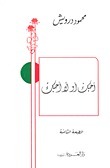
أحبك أو لا أحبك PDF - Mahmoud Darwish
Mahmoud Darwish • literature • 63 Pages
(0)
Quate
Review
Save
Share
Book Description
يُعد محمود درويش من أبرز شعراء العربية في العصر الحديث، ويأتي ديوان أحبك أو لا أحبك ضمن أهم أعماله الشعرية التي رسخت مكانته الأدبية. صدر الديوان لأول مرة عام 1972 عن دار العودة في بيروت، ويعكس مرحلة مهمة من تطور تجربة درويش الشعرية، حيث تمتزج فيه القصيدة الوطنية بالتجربة الإنسانية والعاطفية في لغة شعرية مكثفة وغنية بالصور والرموز.
يتناول الديوان فكرة الحب بمعناه الواسع؛ فهو لا يقتصر على العلاقة بين العاشق والمعشوق، بل يمتد ليشمل حب الوطن والهوية والحرية والإنسان. يطرح محمود درويش أسئلة الوجود والانتماء والفقد، ويجعل من الحب وسيلة لمقاومة الغياب والاحتلال واليأس. تتداخل في قصائد الديوان المشاعر الشخصية مع الهمّ الجمعي، فتتحول التجربة الفردية إلى صوت يعبر عن شعب بأكمله دون أن يفقد بعدها الإنساني.
لا يقوم الديوان على أحداث متسلسلة كما هو الحال في الرواية، بل يضم مجموعة من القصائد التي تتنوع موضوعاتها بين الحب، والمنفى، والذاكرة، والأرض، والهوية، والحنين. يعتمد درويش على صور شعرية مبتكرة واستعارات عميقة تمنح النصوص أبعادًا متعددة، مما يجعل كل قراءة تكشف معاني جديدة. كما يوازن بين الإيقاع الموسيقي واللغة الحديثة، فيجمع بين جمال التعبير وعمق الفكرة.
يناسب أحبك أو لا أحبك القراء الذين يفضلون الشعر العربي الحديث، وخاصة المهتمين بالأدب الفلسطيني وقضايا الهوية والحرية. كما يناسب طلاب الأدب والباحثين في الشعر المعاصر، إلى جانب كل قارئ يبحث عن نصوص تجمع بين الرومانسية والتأمل الفلسفي والبعد الوطني. أما من يفضل السرد المباشر أو القصائد التقليدية ذات اللغة البسيطة، فقد يجد بعض الرموز والصور الشعرية بحاجة إلى قراءة متأنية.
من أبرز نقاط قوة الديوان لغته الشعرية الرفيعة، وقدرة محمود درويش على الجمع بين التجربة الشخصية والقضية الوطنية دون الوقوع في الخطابية المباشرة. تمتاز القصائد بإيقاعها المتوازن وصورها البلاغية الكثيفة، كما تحمل بعدًا إنسانيًا يجعلها قريبة من القراء في مختلف الثقافات. وفي المقابل، قد يرى بعض القراء أن كثافة الرمزية والإحالات الثقافية تتطلب خلفية أدبية لفهم بعض القصائد بصورة أعمق، وهو ما قد يجعل القراءة الأولى أكثر تحديًا.
ما يميز أحبك أو لا أحبك عن كثير من الدواوين الشعرية المعاصرة هو قدرته على المزج بين الغنائية والبعد الفكري، وبين الحب بوصفه تجربة فردية والحب باعتباره رمزًا للوطن والحرية. لم يكن محمود درويش يكتب قصائد سياسية بالمعنى المباشر، بل كان يحول التجربة الوطنية إلى نص شعري يحمل قيمة فنية وإنسانية تتجاوز حدود الزمان والمكان، وهو ما منح أعماله انتشارًا واسعًا وترجمات إلى لغات عديدة.
يُعد الديوان جزءًا من السياق الثقافي والأدبي الذي تشكل بعد نكسة عام 1967، حيث ازدهر شعر المقاومة الفلسطينية وبرزت أصوات أدبية جعلت من الكلمة وسيلة للحفاظ على الهوية والذاكرة. وقد أسهمت أعمال محمود درويش، ومنها أحبك أو لا أحبك، في ترسيخ مكانته بوصفه أحد أهم شعراء العربية في القرن العشرين، كما أصبحت قصائده مادة للدراسة في الجامعات والبرامج الأدبية.
يستحق أحبك أو لا أحبك القراءة لكل من يرغب في التعرف إلى تجربة محمود درويش الشعرية أو استكشاف الشعر العربي الحديث في أبهى صوره. فهو ديوان يجمع بين جمال اللغة، وعمق الفكرة، والصدق الإنساني، ويقدم تجربة شعرية تبقى مؤثرة حتى بعد سنوات طويلة من صدورها. ورغم أن الديوان لم يُعرف بحصوله على جائزة مستقلة، فإنه يُعد من الأعمال التي عززت المكانة الأدبية الرفيعة لمحمود درويش وأسهمت في حضوره العالمي بوصفه أحد أبرز شعراء العصر الحديث.
Mahmoud Darwish
Mahmoud Darwish was one of the most celebrated and influential poets in modern Arabic literature, widely recognized for transforming personal experience, cultural identity, and historical memory into poetry of extraordinary beauty and universal significance. Born on March 13, 1941, in the village of al-Birwa in Galilee, Palestine, Darwish experienced displacement at an early age after the events of 1948, a defining moment that profoundly shaped both his life and his literary vision. Throughout his remarkable career, Mahmoud Darwish became a powerful voice for the Palestinian people while simultaneously establishing himself as a poet whose work transcended national boundaries. His poetry explores themes of exile, homeland, memory, love, freedom, loss, hope, and the enduring search for human dignity, making his writings resonate with readers across cultures and generations.
Mahmoud Darwish began writing poetry at a young age and quickly gained recognition for his exceptional talent. His early works reflected the realities of occupation and displacement, giving expression to the struggles and aspirations of Palestinians living under difficult circumstances. Over time, however, his poetry evolved into a sophisticated and deeply philosophical body of work that addressed universal questions about identity, belonging, mortality, and the human condition. Rather than limiting himself to political expression, Darwish developed a poetic language rich in symbolism, metaphor, and lyrical elegance, allowing readers from diverse backgrounds to connect with his reflections on life, love, and history.
One of the defining characteristics of Mahmoud Darwish's writing is his ability to merge the personal with the collective. His poems often speak in an intimate voice while simultaneously representing the experiences of an entire people. This unique literary approach enabled him to transform the Palestinian experience into a universal narrative of displacement, resilience, and hope. His works invite readers to contemplate not only the realities of conflict but also the deeper emotional and philosophical dimensions of existence. Through carefully crafted imagery and rhythmic language, Darwish created poetry that is both intellectually profound and emotionally moving.
Throughout his literary career, Mahmoud Darwish published numerous acclaimed collections that have become classics of contemporary Arabic literature. Among his best-known works are Why Did You Leave the Horse Alone?, Memory for Forgetfulness, Mural, Unfortunately, It Was Paradise, State of Siege, The Butterfly's Burden, In the Presence of Absence, and A River Dies of Thirst. These books demonstrate the remarkable evolution of his poetic voice, moving from direct expressions of resistance to increasingly reflective meditations on time, memory, mortality, and artistic creation. His writings have been translated into dozens of languages, introducing international audiences to the richness and depth of modern Arabic poetry.
Mahmoud Darwish's influence extends far beyond literature. His poems have inspired musicians, visual artists, filmmakers, scholars, and readers around the world. Many of his verses have been adapted into songs performed by renowned Arab musicians, while his literary works continue to be studied in universities and academic institutions across the globe. His ability to articulate complex emotions through accessible yet sophisticated language has established him as one of the defining literary figures of the twentieth and twenty-first centuries. Critics frequently praise his mastery of metaphor, his innovative use of classical Arabic poetic traditions, and his ability to continually reinvent his artistic style throughout his career.
Although Mahmoud Darwish is often associated with Palestinian national identity, reducing his work solely to political poetry overlooks its remarkable literary richness. Love occupies a central place in his writings, appearing alongside reflections on beauty, memory, solitude, language, and mortality. His poems reveal a deep appreciation for nature, history, music, and human relationships, creating a body of work that speaks to readers regardless of their cultural or political background. His exploration of exile is not merely geographical but also existential, examining the emotional experience of searching for belonging in an ever-changing world.
Darwish received numerous prestigious literary honors during his lifetime in recognition of his extraordinary contribution to world literature. His works continue to receive critical acclaim for their artistic excellence, intellectual depth, and enduring relevance. Even after his passing in 2008, Mahmoud Darwish remains one of the most widely read Arabic poets in history. New generations continue to discover his poetry through translations, literary festivals, academic research, and digital platforms, ensuring that his voice remains vibrant and influential.
Today, Mahmoud Darwish is regarded not only as a national poet of Palestine but also as one of the greatest poets of modern world literature. His legacy rests on his extraordinary ability to transform historical experience into timeless art, blending lyrical beauty with philosophical insight and emotional honesty. Readers continue to return to his works because they offer more than historical testimony—they provide profound reflections on humanity, identity, hope, and the enduring power of language. Through his unforgettable poetry, Mahmoud Darwish has secured a permanent place among the world's most respected literary figures, leaving behind a body of work that continues to inspire, challenge, and move readers across continents and generations.
Earn Rewards While Reading!
Every 10 pages you read and spent 30 seconds on every page, earns you 5 reward points! Keep reading to unlock achievements and exclusive benefits.
Read
Rate Now
5 Stars
4 Stars
3 Stars
2 Stars
1 Stars
أحبك أو لا أحبك Quotes
Top Rated
Latest
Quate
Be the first to leave a quote and earn 10 points
instead of 3
'%20/%3e%3c/svg%3e "في حضرة الغياب")
Comments
Be the first to leave a comment and earn 5 points
instead of 3