

The source of the book
This book is published for the public benefit under a Creative Commons license, or with the permission of the author or publisher. If you have any objections to its publication, please contact us.
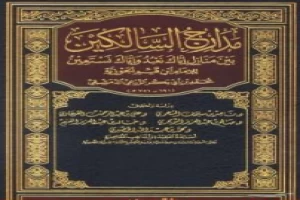
مدارج السالكين PDF - Ibn Qayyim Al-Jawzia
Ibn Qayyim Al-Jawzia • Islam • 827 Pages
(0)
Author
Ibn Qayyim Al-JawziaCategory
ReligionsSection
Number Of Downloads
53
Number Of Reads
54
File Size
5.44 MB
Views
985
Quate
Review
Save
Share
Book Description
كتاب «مدارج السالكين بين منازل إياك نعبد وإياك نستعين» هو كتاب تراثي في التزكية والسلوك الإيماني، ألّفه شمس الدين ابن قيم الجوزية، واسمه محمد بن أبي بكر بن أيوب بن سعد الزرعي الدمشقي، المتوفى سنة 751هـ. وبما أن «مدارج السالكين» ليس كتابًا حديثًا صدر أول مرة عن دار نشر معاصرة، فلا يصح نسبته إلى سنة نشر أصلية أو ناشر أول بالمعنى المتداول اليوم؛ فهو من مصنفات القرن الثامن الهجري. أما في الطبعات الحديثة، فتوجد له طبعات متعددة، من أشهرها طبعة دار الكتاب العربي في بيروت، وقد وردت بيانات طبعة ثانية سنة 1393هـ/1973م بتحقيق محمد حامد الفقي، كما توجد طبعة أخرى لدار الكتاب العربي سنة 1996 بتحقيق محمد المعتصم بالله البغدادي.
ينطلق ابن قيم الجوزية في هذا الكتاب من شرح كتاب «منازل السائرين» للهروي، لكنه لا يكتفي بالتعليق المختصر، بل يحوّل الشرح إلى مشروع واسع في بيان طريق العبودية، ومعنى السير إلى الله، ومقامات الإيمان، وأعمال القلوب. ويشير العنوان إلى الآية المركزية في سورة الفاتحة: «إياك نعبد وإياك نستعين»، إذ يجعل المؤلف العبادة والاستعانة أصل الطريق كله، فالسالك لا يترقى بمجرد المجاهدة أو المعرفة النظرية، بل بصدق الافتقار إلى الله، وتصحيح النية، وموافقة الوحي، ومحاسبة النفس.
لا يقدم «مدارج السالكين» حبكة روائية أو أحداثًا متتابعة، بل يقدم بناءً معرفيًا وروحيًا متدرجًا. يبدأ الكتاب بتأصيل معنى العبودية، ثم ينتقل إلى منازل السائرين، مثل اليقظة، والتوبة، والإنابة، والمحاسبة، والخوف، والرجاء، والصبر، والرضا، والتوكل، والمحبة، والإخلاص. وفي كل منزلة يشرح ابن القيم حقيقتها، ويميز بين الصحيح والمنحرف منها، ويربطها بالقرآن والسنة، مع عناية واضحة بتصحيح المفاهيم التي قد تختلط على المريد أو طالب العلم.
أهمية كتاب «مدارج السالكين» أنه يجمع بين الفقه، والتفسير، والحديث، والتربية الإيمانية، والنقد العلمي لبعض مسالك التصوف. فابن القيم لا يرفض لغة السلوك والتزكية، لكنه يصر على ضبطها بالوحي، ولذلك يناقش العبارات الصوفية الدقيقة، ويقبل منها ما يراه موافقًا للكتاب والسنة، ويرد ما يراه غامضًا أو مخالفًا أو قابلًا لسوء الفهم. وهذا يمنح الكتاب طابعًا تحليليًا لا وعظيًا فقط، فهو لا يخاطب العاطفة وحدها، بل يخاطب العقل والقلب معًا.
ومن أبرز محاور الكتاب حديثه عن أعمال القلوب، وهي الأعمال التي تقوم عليها حقيقة التدين، مثل الصدق، والإخلاص، والخشية، والافتقار، والأنس بالله، واليقين. ويؤكد ابن القيم أن صلاح الظاهر لا يكتمل إلا بصلاح الباطن، وأن العبادة ليست حركات منفصلة عن حضور القلب. كما يبيّن أن الطريق إلى الله ليس درجة واحدة، بل مراتب يتفاوت فيها الناس بحسب العلم، والإرادة، والصدق، والثبات.
يتميز أسلوب ابن قيم الجوزية في «مدارج السالكين» بالقوة البيانية وكثرة التقسيمات والتحليلات النفسية، مع استحضار واسع للنصوص الشرعية. وقد يكون الكتاب عميقًا على القارئ المبتدئ بسبب لغته التراثية وتشعب مباحثه، لكنه من أهم الكتب لمن يريد فهم التزكية الإسلامية من منظور علمي قائم على الاستدلال والموازنة. لذلك يعد «مدارج السالكين» مرجعًا بارزًا في كتب ابن القيم، وكتابًا مناسبًا للباحثين والقراء المهتمين بتهذيب النفس، وفقه القلوب، ومعنى السير إلى الله في التراث الإسلامي.
Ibn Qayyim Al-Jawzia
Ibn Qayyim Al-Jawzia is one of the most influential Muslim scholars, authors, and spiritual thinkers of the fourteenth century, remembered for his exceptional contribution to Islamic jurisprudence, theology, Quranic reflection, prophetic biography, ethics, and the purification of the heart. Born in Damascus in 1292, he grew up in a city known for its libraries, teaching circles, legal schools, and vibrant scholarly life. His full name was Muhammad ibn Abi Bakr ibn Ayyub, but he became widely known as Ibn Qayyim Al-Jawzia because his father served as the caretaker and administrator of the Jawziyyah school. This connection gave him the title by which readers across many generations continue to recognize him. His intellectual formation took place in an environment shaped by memorization, debate, close study of religious texts, and deep reverence for learned teachers. Among those teachers, the most famous was Ibn Taymiyyah, whose influence on him was profound. Ibn Qayyim Al-Jawzia studied with him for many years, absorbed his concern for the Quran and the Sunnah, and shared his criticism of rigid imitation when it separated people from sound evidence and living moral purpose. Yet Ibn Qayyim Al-Jawzia was not merely a follower of another scholar. He developed a distinctive voice marked by emotional depth, precise argument, literary elegance, and a rare ability to connect law, worship, psychology, and spiritual transformation. His writings show a mind interested not only in legal rulings but also in the inner life of the believer: sincerity, repentance, patience, gratitude, love, fear, hope, trust, and the struggle against destructive habits. Among his best-known works is زاد المعاد في هدي خير العباد, a rich study of the guidance of the Prophet Muhammad that combines biography, law, medicine, worship, manners, and practical conduct. Another major work is مدارج السالكين, a profound exploration of the stations of spiritual wayfaring, where he explains how the seeker moves through repentance, awareness, devotion, reliance, contentment, and love. His book إعلام الموقعين عن رب العالمين remains especially important for readers of Islamic legal theory because it discusses the responsibility of scholars who issue religious judgments, the seriousness of speaking in the name of sacred law, and the need to understand both textual evidence and real human circumstances. In الداء والدواء, he writes with unusual insight about sin, desire, moral weakness, and healing through knowledge, devotion, remembrance, and discipline. In روضة المحبين ونزهة المشتاقين, he explores love with literary beauty and psychological subtlety, making the work valuable not only as religious literature but also as a study of human longing and attachment. Other important works, such as مفتاح دار السعادة, الفوائد, الوابل الصيب, تحفة المودود بأحكام المولود, and شفاء العليل, further reveal the breadth of his scholarship. His style often moves from textual proof to reflection, from argument to exhortation, and from structured classification to poetic description. This flexibility gives his books lasting appeal because they serve students of knowledge, preachers, researchers, and general readers seeking meaningful guidance. Ibn Qayyim Al-Jawzia wrote with a clear belief that knowledge should reform the heart and action, not remain confined to memorized information. His legacy is therefore both scholarly and devotional. He contributed to the Hanbali legal tradition, engaged central theological questions, preserved and interpreted prophetic guidance, and created a literature of the heart that continues to inspire readers in many languages. He died in Damascus in 1350, leaving behind a body of work that remains central to Islamic studies and to contemporary interest in Muslim spirituality, ethical self-development, and classical religious thought. For a book website or author biography section, Ibn Qayyim Al-Jawzia represents a major classical author whose writings combine intellectual discipline, spiritual intensity, moral seriousness, and literary power.
Earn Rewards While Reading!
Every 10 pages you read and spent 30 seconds on every page, earns you 5 reward points! Keep reading to unlock achievements and exclusive benefits.
Read
Rate Now
5 Stars
4 Stars
3 Stars
2 Stars
1 Stars
مدارج السالكين Quotes
Top Rated
Latest
Quate
Be the first to leave a quote and earn 10 points
instead of 3
'%20/%3e%3c/svg%3e "اجتماع الجيوش الإسلامية على حرب المعطلة والجهمية")
Comments
Be the first to leave a comment and earn 5 points
instead of 3