

The source of the book
This book is published for the public benefit under a Creative Commons license, or with the permission of the author or publisher. If you have any objections to its publication, please contact us.
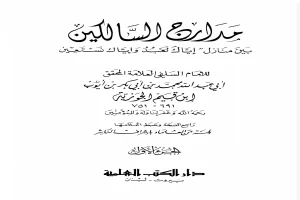
مدارج السالكين الجزء الأول PDF - Ibn Qayyim Al-Jawzia
Ibn Qayyim Al-Jawzia • Islam • 566 Pages
(0)
Author
Ibn Qayyim Al-JawziaCategory
ReligionsSection
Number Of Downloads
79
Number Of Reads
80
File Size
10.67 MB
Views
1,629
Quate
Review
Save
Share
Book Description
كتاب «مدارج السالكين الجزء الأول» لشمس الدين ابن قيم الجوزية هو جزء من كتابه المعروف «مدارج السالكين بين منازل إياك نعبد وإياك نستعين»، وهو كتاب تراثي في تزكية النفس وأعمال القلوب والسلوك إلى الله، وليس رواية ذات أحداث وشخصيات. المؤلف هو أبو عبد الله محمد بن أبي بكر بن أيوب بن سعد، شمس الدين ابن قيم الجوزية، المتوفى سنة 751هـ. وبما أن للكتاب طبعات متعددة، فإن بيانات النشر المعتمدة هنا تخص طبعة دار الكتاب العربي في بيروت، بتحقيق محمد المعتصم بالله البغدادي، وهي الطبعة الثالثة الصادرة سنة 1416هـ/1996م
يدور كتاب «مدارج السالكين» حول شرح كتاب «منازل السائرين» لأبي إسماعيل الهروي، لكن ابن القيم لا يكتفي بالشرح، بل يناقش العبارات ويوازنها بالقرآن والسنة، ويصحح ما يراه محتاجًا إلى ضبط في كلام المتصوفة. وقد وصف موقع الإمام ابن القيم الكتاب بأنه معقود على أصول تزكية النفس، والكلام على أعمال القلوب ومنازل السلوك التي ينتقل بينها القلب في سيره إلى الله، مع التنبيه على ما طرأ من انحرافات في وصف هذه المنازل عند بعض المتصوفة.
يبدأ الجزء الأول من «مدارج السالكين» بتأسيس قرآني واسع، حيث يجعل ابن القيم سورة الفاتحة، وبخاصة قوله تعالى: «إياك نعبد وإياك نستعين»، مركزًا لمعاني العبودية والاستعانة والهداية. ويتناول في بدايته هداية القرآن، واشتمال الفاتحة على أمهات المطالب، ومعنى الصراط المستقيم، وعلاقة العبد بربه من خلال التوحيد والعبادة والطلب الدائم للهداية. ومن خلال هذه المقدمة الطويلة يبين أن الطريق إلى الله ليس تجربة شعورية مبهمة، بل علم وعمل وإخلاص ومتابعة للرسول صلى الله عليه وسلم.
ثم ينتقل الكتاب إلى تحليل منازل السائرين، فيعرض ابن القيم منازل مثل اليقظة، والتوبة، والإنابة، والمحاسبة، والتفكر، والاعتصام، والفرار، والرياضة، والسماع، والخوف، والإشفاق، والخشوع، والزهد، والورع، والتبتل، والرجاء، والرغبة، والرعاية، والمراقبة، وتعظيم حرمات الله، والإخلاص، والتهذيب، والاستقامة، والتوكل. ولا يقدم هذه المنازل كقائمة وعظية فقط، بل يشرح حقيقتها، ودرجاتها، وما يدخل فيها من صحة أو انحراف، رابطًا ذلك بالنصوص الشرعية ومعاني الإيمان.
أهمية «مدارج السالكين الجزء الأول» أنه يكشف منهج ابن قيم الجوزية في الجمع بين الرقائق والعقيدة والفقه والتفسير. فالكتاب لا يخاطب القارئ بوصفه طالب معرفة نظرية فقط، بل يوجهه إلى إصلاح القلب، وتنقية النية، وفهم العبادة على أنها غاية الحياة. كما يوضح أن الاستعانة بالله لا تنفصل عن بذل الجهد، وأن الإخلاص لا يصح إلا مع متابعة الوحي، وأن السير إلى الله يقوم على العلم والصدق والصبر والمحاسبة. لذلك يعد هذا الجزء مدخلًا قويًا لفهم مشروع ابن القيم في تهذيب النفس، ومرجعًا مهمًا لمن يبحث عن ملخص كتاب «مدارج السالكين» أو عن مضمون «مدارج السالكين الجزء الأول» بأسلوب يجمع بين العمق الإيماني والتحليل العلمي.
Ibn Qayyim Al-Jawzia
Ibn Qayyim Al-Jawzia is one of the most influential Muslim scholars, authors, and spiritual thinkers of the fourteenth century, remembered for his exceptional contribution to Islamic jurisprudence, theology, Quranic reflection, prophetic biography, ethics, and the purification of the heart. Born in Damascus in 1292, he grew up in a city known for its libraries, teaching circles, legal schools, and vibrant scholarly life. His full name was Muhammad ibn Abi Bakr ibn Ayyub, but he became widely known as Ibn Qayyim Al-Jawzia because his father served as the caretaker and administrator of the Jawziyyah school. This connection gave him the title by which readers across many generations continue to recognize him. His intellectual formation took place in an environment shaped by memorization, debate, close study of religious texts, and deep reverence for learned teachers. Among those teachers, the most famous was Ibn Taymiyyah, whose influence on him was profound. Ibn Qayyim Al-Jawzia studied with him for many years, absorbed his concern for the Quran and the Sunnah, and shared his criticism of rigid imitation when it separated people from sound evidence and living moral purpose. Yet Ibn Qayyim Al-Jawzia was not merely a follower of another scholar. He developed a distinctive voice marked by emotional depth, precise argument, literary elegance, and a rare ability to connect law, worship, psychology, and spiritual transformation. His writings show a mind interested not only in legal rulings but also in the inner life of the believer: sincerity, repentance, patience, gratitude, love, fear, hope, trust, and the struggle against destructive habits. Among his best-known works is زاد المعاد في هدي خير العباد, a rich study of the guidance of the Prophet Muhammad that combines biography, law, medicine, worship, manners, and practical conduct. Another major work is مدارج السالكين, a profound exploration of the stations of spiritual wayfaring, where he explains how the seeker moves through repentance, awareness, devotion, reliance, contentment, and love. His book إعلام الموقعين عن رب العالمين remains especially important for readers of Islamic legal theory because it discusses the responsibility of scholars who issue religious judgments, the seriousness of speaking in the name of sacred law, and the need to understand both textual evidence and real human circumstances. In الداء والدواء, he writes with unusual insight about sin, desire, moral weakness, and healing through knowledge, devotion, remembrance, and discipline. In روضة المحبين ونزهة المشتاقين, he explores love with literary beauty and psychological subtlety, making the work valuable not only as religious literature but also as a study of human longing and attachment. Other important works, such as مفتاح دار السعادة, الفوائد, الوابل الصيب, تحفة المودود بأحكام المولود, and شفاء العليل, further reveal the breadth of his scholarship. His style often moves from textual proof to reflection, from argument to exhortation, and from structured classification to poetic description. This flexibility gives his books lasting appeal because they serve students of knowledge, preachers, researchers, and general readers seeking meaningful guidance. Ibn Qayyim Al-Jawzia wrote with a clear belief that knowledge should reform the heart and action, not remain confined to memorized information. His legacy is therefore both scholarly and devotional. He contributed to the Hanbali legal tradition, engaged central theological questions, preserved and interpreted prophetic guidance, and created a literature of the heart that continues to inspire readers in many languages. He died in Damascus in 1350, leaving behind a body of work that remains central to Islamic studies and to contemporary interest in Muslim spirituality, ethical self-development, and classical religious thought. For a book website or author biography section, Ibn Qayyim Al-Jawzia represents a major classical author whose writings combine intellectual discipline, spiritual intensity, moral seriousness, and literary power.
Earn Rewards While Reading!
Every 10 pages you read and spent 30 seconds on every page, earns you 5 reward points! Keep reading to unlock achievements and exclusive benefits.
Read
Rate Now
5 Stars
4 Stars
3 Stars
2 Stars
1 Stars
مدارج السالكين الجزء الأول Quotes
Top Rated
Latest
Quate
Be the first to leave a quote and earn 10 points
instead of 3
'%20/%3e%3c/svg%3e "اجتماع الجيوش الإسلامية على حرب المعطلة والجهمية")
Comments
Be the first to leave a comment and earn 5 points
instead of 3