

The source of the book
This book is published for the public benefit under a Creative Commons license, or with the permission of the author or publisher. If you have any objections to its publication, please contact us.
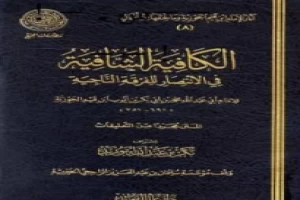
الكافية الشافية في الانتصار للفرقة الناجية PDF - Ibn Qayyim Al-Jawzia
Ibn Qayyim Al-Jawzia • Islam • 317 Pages
(0)
Author
Ibn Qayyim Al-JawziaCategory
ReligionsSection
Number Of Downloads
60
Number Of Reads
46
File Size
5.78 MB
Views
1,043
Quate
Review
Save
Share
Book Description
كتاب الكافية الشافية في الانتصار للفرقة الناجية، المشهور أيضاً باسم نونية ابن القيم، هو عمل عقدي منظوم من تأليف شمس الدين أبو عبد الله محمد بن أبي بكر بن أيوب ابن قيم الجوزية، أحد أعلام القرن الثامن الهجري. وبما أن الكتاب تراثي سابق لعصر النشر الحديث، فلا يصح إسناد “سنة نشر أصلية” إليه بالمعنى المعاصر، لكن من طبعاته العلمية الحديثة طبعة دار عطاءات العلم بالرياض ودار ابن حزم ببيروت، الطبعة الرابعة سنة 1440هـ/2019م، في ثلاثة أجزاء، بتحقيق وتعليق مجموعة من الباحثين، كما تذكر بيانات المكتبة الشاملة. وتوجد أيضاً طبعة صادرة عن دار عالم الفوائد سنة 2007م ضمن آثار الإمام ابن قيم الجوزية.
ينتمي كتاب الكافية الشافية في الانتصار للفرقة الناجية إلى كتب العقيدة والمناظرة، لكنه يختلف عن كثير من المصنفات النثرية لأنه جاء في صورة قصيدة طويلة ذات بناء حجاجي. لذلك لا يقدّم الكتاب حبكة روائية أو شخصيات وأحداثاً، بل يعرض موقف ابن قيم الجوزية في مسائل التوحيد والصفات والإيمان والوحي، ويناصر ما يراه منهج أهل السنة وأهل الحديث، مع الرد على فرق واتجاهات كلامية وفلسفية خالفها المؤلف. وتظهر من فهرس الكتاب عنايته بمسائل كلام الله، والفرق بين الخلق والأمر، ومذاهب القائلين في القرآن، ومناقشة الجهمية والمعطلة والاتحادية، ثم الانتقال إلى مباحث التوحيد والاتباع والآخرة.
يبدأ مضمون الكتاب بتأكيد أهمية معرفة الله وصفاته، ثم يجعل المؤلف الوحي أصلاً في بناء اليقين الديني، ويربط النجاة بالتمسك بالقرآن والسنة. ومن خلال أبياته، يقدّم ابن القيم دفاعاً واسعاً عن إثبات الصفات الإلهية كما يقررها مذهبه، ويناقش الاعتراضات القائمة على التأويل الكلامي أو التجريد الفلسفي. والكتاب لا يكتفي بعرض الرأي، بل يقوم على المقابلة بين مسارين: مسار يراه المؤلف قائماً على النص والاتباع، ومسار يراه قائماً على التعطيل أو تحكيم الرأي المجرد. لذلك تظهر في النونية لغة جدلية قوية، تجمع بين البرهان النقلي، والاستدلال العقلي، والصور الشعرية التي تجعل النص أقرب إلى ملحمة فكرية عقدية.
ويمتد تلخيص الكافية الشافية إلى أن الكتاب يتدرج من مناقشة الفرق الكلامية إلى تقرير أصول التوحيد، ثم بيان قيمة الاتباع وترك البدع، ثم الحديث عن مصير المؤمنين وما أعده الله لأوليائه في الجنة. ويخصص المؤلف مقاطع مطولة للرد على من ينفي الصفات أو يؤولها، ثم يبين ما يراه الفرق بين توحيد الأنبياء وتصورات الفلاسفة والمتكلمين المخالفين. وفي الأقسام الأخيرة، ينتقل النص إلى مشاهد أخروية، فيتحدث عن الجنة ودرجاتها وأبوابها ونعيم أهلها ورؤية المؤمنين لربهم، وهي موضوعات مذكورة بوضوح في فهارس الطبعات العلمية للكتاب.
تنبع أهمية كتاب الكافية الشافية في الانتصار للفرقة الناجية من كونه يجمع بين الشعر والعقيدة والردود الفكرية في نص واحد، ويكشف جانباً من أسلوب ابن قيم الجوزية في الدفاع عن المدرسة السلفية التي ينتمي إليها. والقراءة المعاصرة للكتاب تحتاج إلى وعي بسياقه التاريخي والجدلي، لأن عباراته موجهة إلى خصوم محددين داخل نقاشات علم الكلام في العصور الإسلامية. ولهذا يعد الكتاب مرجعاً مهماً للباحثين في تراث ابن القيم، وتاريخ الجدل العقدي، وتطور المنظومات العلمية العربية، أكثر من كونه كتاباً تعليمياً مبسطاً للمبتدئين.
Ibn Qayyim Al-Jawzia
Ibn Qayyim Al-Jawzia is one of the most influential Muslim scholars, authors, and spiritual thinkers of the fourteenth century, remembered for his exceptional contribution to Islamic jurisprudence, theology, Quranic reflection, prophetic biography, ethics, and the purification of the heart. Born in Damascus in 1292, he grew up in a city known for its libraries, teaching circles, legal schools, and vibrant scholarly life. His full name was Muhammad ibn Abi Bakr ibn Ayyub, but he became widely known as Ibn Qayyim Al-Jawzia because his father served as the caretaker and administrator of the Jawziyyah school. This connection gave him the title by which readers across many generations continue to recognize him. His intellectual formation took place in an environment shaped by memorization, debate, close study of religious texts, and deep reverence for learned teachers. Among those teachers, the most famous was Ibn Taymiyyah, whose influence on him was profound. Ibn Qayyim Al-Jawzia studied with him for many years, absorbed his concern for the Quran and the Sunnah, and shared his criticism of rigid imitation when it separated people from sound evidence and living moral purpose. Yet Ibn Qayyim Al-Jawzia was not merely a follower of another scholar. He developed a distinctive voice marked by emotional depth, precise argument, literary elegance, and a rare ability to connect law, worship, psychology, and spiritual transformation. His writings show a mind interested not only in legal rulings but also in the inner life of the believer: sincerity, repentance, patience, gratitude, love, fear, hope, trust, and the struggle against destructive habits. Among his best-known works is زاد المعاد في هدي خير العباد, a rich study of the guidance of the Prophet Muhammad that combines biography, law, medicine, worship, manners, and practical conduct. Another major work is مدارج السالكين, a profound exploration of the stations of spiritual wayfaring, where he explains how the seeker moves through repentance, awareness, devotion, reliance, contentment, and love. His book إعلام الموقعين عن رب العالمين remains especially important for readers of Islamic legal theory because it discusses the responsibility of scholars who issue religious judgments, the seriousness of speaking in the name of sacred law, and the need to understand both textual evidence and real human circumstances. In الداء والدواء, he writes with unusual insight about sin, desire, moral weakness, and healing through knowledge, devotion, remembrance, and discipline. In روضة المحبين ونزهة المشتاقين, he explores love with literary beauty and psychological subtlety, making the work valuable not only as religious literature but also as a study of human longing and attachment. Other important works, such as مفتاح دار السعادة, الفوائد, الوابل الصيب, تحفة المودود بأحكام المولود, and شفاء العليل, further reveal the breadth of his scholarship. His style often moves from textual proof to reflection, from argument to exhortation, and from structured classification to poetic description. This flexibility gives his books lasting appeal because they serve students of knowledge, preachers, researchers, and general readers seeking meaningful guidance. Ibn Qayyim Al-Jawzia wrote with a clear belief that knowledge should reform the heart and action, not remain confined to memorized information. His legacy is therefore both scholarly and devotional. He contributed to the Hanbali legal tradition, engaged central theological questions, preserved and interpreted prophetic guidance, and created a literature of the heart that continues to inspire readers in many languages. He died in Damascus in 1350, leaving behind a body of work that remains central to Islamic studies and to contemporary interest in Muslim spirituality, ethical self-development, and classical religious thought. For a book website or author biography section, Ibn Qayyim Al-Jawzia represents a major classical author whose writings combine intellectual discipline, spiritual intensity, moral seriousness, and literary power.
Earn Rewards While Reading!
Every 10 pages you read and spent 30 seconds on every page, earns you 5 reward points! Keep reading to unlock achievements and exclusive benefits.
Read
Rate Now
5 Stars
4 Stars
3 Stars
2 Stars
1 Stars
الكافية الشافية في الانتصار للفرقة الناجية Quotes
Top Rated
Latest
Quate
Be the first to leave a quote and earn 10 points
instead of 3
'%20/%3e%3c/svg%3e "اجتماع الجيوش الإسلامية على حرب المعطلة والجهمية")
Comments
Be the first to leave a comment and earn 5 points
instead of 3