

The source of the book
This book is published for the public benefit under a Creative Commons license, or with the permission of the author or publisher. If you have any objections to its publication, please contact us.
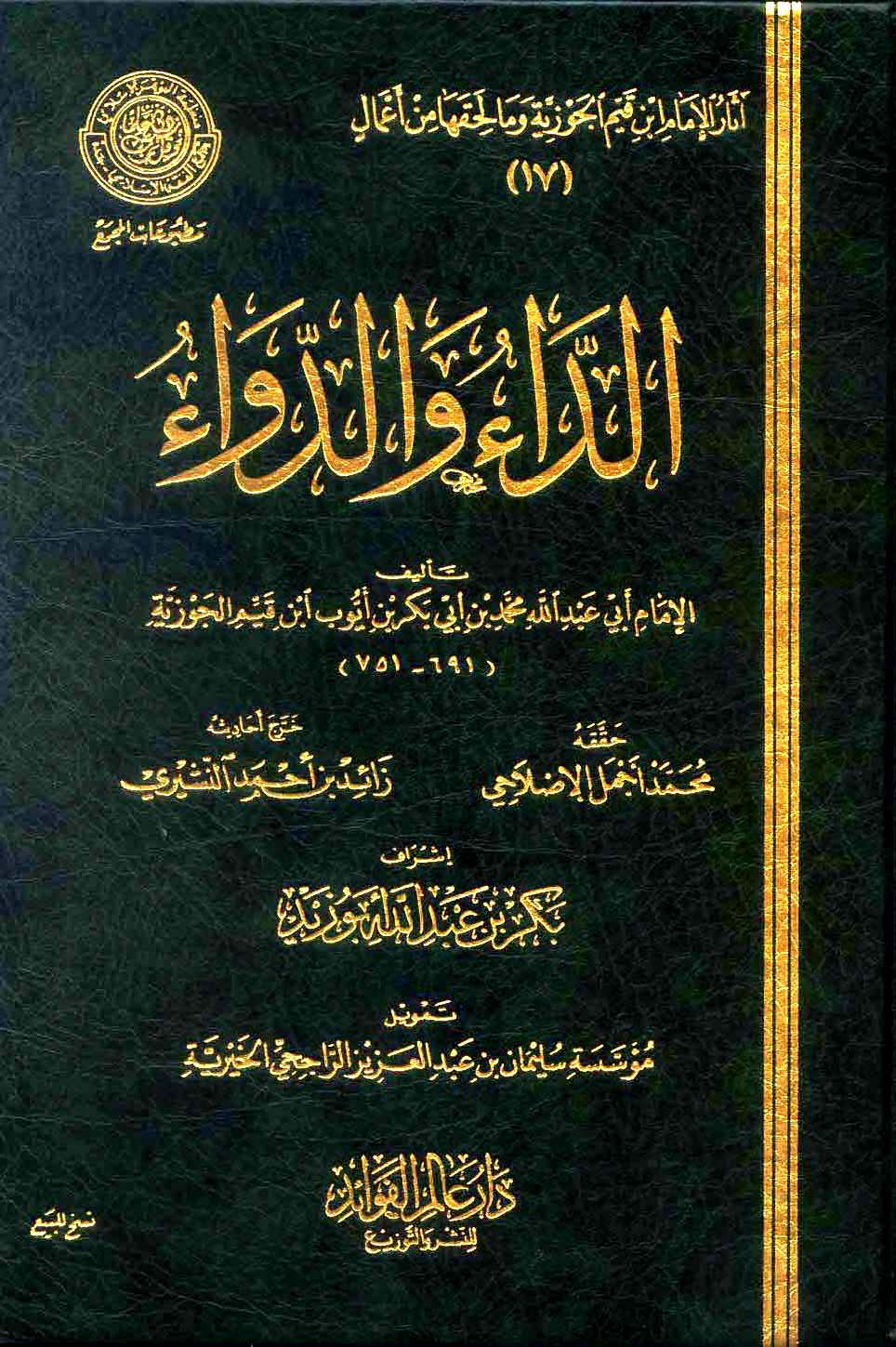
الداء والدواء PDF - Ibn Qayyim Al-Jawzia
Ibn Qayyim Al-Jawzia • Islam • 751 Pages
(0)
Author
Ibn Qayyim Al-JawziaCategory
ReligionsSection
Number Of Downloads
67
Number Of Reads
81
File Size
8.33 MB
Views
1,465
Quate
Review
Save
Share
Book Description
يُعد كتاب «الداء والدواء» للإمام شمس الدين ابن قيم الجوزية، واسمه الكامل «الجواب الكافي لمن سأل عن الدواء الشافي»، من أشهر كتب الرقائق وتزكية النفس في التراث الإسلامي. مؤلف الكتاب هو محمد بن أبي بكر بن أيوب بن سعد، شمس الدين ابن قيم الجوزية، المتوفى سنة 751هـ، وقد عُرف بأسلوبه الوعظي التحليلي الذي يجمع بين النص الشرعي، وتأمل أحوال النفس، وتشخيص أسباب الانحراف القلبي والسلوكي. وبما أن الكتاب تراثي قديم، فليست له سنة نشر أصلية بالمعنى الحديث، لكن من الطبعات المعتمدة والمتداولة طبعة دار عالم الفوائد الصادرة سنة 2008، بتحقيق محمد أجمل الإصلاحي وزائد بن أحمد النشيري، كما توجد طبعات أخرى مثل طبعة دار المعرفة بالمغرب سنة 1997.
لا يقدم ابن قيم الجوزية في كتاب «الداء والدواء» رواية ذات حبكة وشخصيات، بل يعرض معالجة فكرية وإيمانية لسؤال جوهري: كيف يتداوى الإنسان من أمراض القلب وآثار الذنوب؟ ينطلق الكتاب من فكرة أن لكل داء دواء، وأن أعظم أدواء الإنسان ليست الجسدية وحدها، بل ما يصيب القلب من غفلة، شهوة، غرور، سوء ظن، تعلق بما يضر، وإصرار على المعصية. لذلك يربط المؤلف بين صلاح القلب وصلاح السلوك، ويجعل التوبة، والدعاء، والصدق مع الله، ومحاسبة النفس، من أهم أبواب العلاج.
يبدأ ابن القيم بالحديث عن أثر الدعاء، مبينًا علاقته بالقدر، وأن الدعاء ليس مجرد طلب عابر، بل عبادة وسبب من أسباب دفع البلاء وجلب الرحمة. ثم ينتقل إلى بيان شروط الدعاء النافع، مثل حضور القلب، والإلحاح، وتجنب موانع الإجابة. ويُظهر الكتاب هنا جانبًا تربويًا واضحًا؛ فهو لا يكتفي بذكر الحكم، بل يحاول إيقاظ القارئ إلى خطورة الغفلة والاتكال على الأماني من غير عمل.
بعد ذلك يتوسع «الداء والدواء» في تحليل آثار المعاصي على الفرد والمجتمع، فيشرح كيف تضعف الذنوب الإرادة، وتطمس البصيرة، وتمحق البركة، وتورث القلق والذل الداخلي، وتفتح أبوابًا من الاضطراب النفسي والسلوكي. ويعرض ابن القيم هذه الآثار بوصفها نتائج متراكمة، لا عقوبات منفصلة فحسب؛ فالمعصية عنده تبدأ بخاطرة، ثم تتحول إلى رغبة، ثم فعل، ثم عادة يصعب الفكاك منها. ولهذا يهتم الكتاب بمنابع السلوك، مثل النظرة، والخطرة، واللفظة، والخطوة، لأنها عند المؤلف مفاتيح لما بعدها.
ومن أهم محاور الكتاب حديثه عن الحب والتعلق، ولا سيما حين يتحول الحب إلى أسر يضعف القلب ويصرفه عن مقصده الأعلى. يعالج ابن القيم هذا الموضوع من زاوية إيمانية وأخلاقية، فيفرّق بين المحبة النافعة التي ترفع الإنسان، والمحبة الضارة التي تستنزف إرادته وتجعله تابعًا لهواه. ومن هنا يأتي عنوان «الداء والدواء» مناسبًا لمضمون الكتاب؛ فالمرض هو فساد القلب وانحراف الإرادة، والدواء هو الرجوع إلى الله، وتقوية الإيمان، ومجاهدة النفس، واستبدال التعلق المؤذي بمحبة صالحة نافعة.
يمتاز كتاب «الداء والدواء» بأنه يجمع بين الوعظ العميق والتحليل النفسي الأخلاقي بلغة تراثية قوية. وهو مناسب للقراء المهتمين بكتب ابن قيم الجوزية، وتزكية النفس، وأمراض القلوب، والتوبة، وأثر الذنوب، والدعاء. وقيمته الأساسية أنه لا يعامل الخطأ الإنساني كفعل ظاهر فقط، بل يبحث عن جذوره في القلب والفكر والعادة، ثم يقترح علاجًا يقوم على العلم، والعمل، والمراقبة، والصدق في إصلاح النفس.
Ibn Qayyim Al-Jawzia
Ibn Qayyim Al-Jawzia is one of the most influential Muslim scholars, authors, and spiritual thinkers of the fourteenth century, remembered for his exceptional contribution to Islamic jurisprudence, theology, Quranic reflection, prophetic biography, ethics, and the purification of the heart. Born in Damascus in 1292, he grew up in a city known for its libraries, teaching circles, legal schools, and vibrant scholarly life. His full name was Muhammad ibn Abi Bakr ibn Ayyub, but he became widely known as Ibn Qayyim Al-Jawzia because his father served as the caretaker and administrator of the Jawziyyah school. This connection gave him the title by which readers across many generations continue to recognize him. His intellectual formation took place in an environment shaped by memorization, debate, close study of religious texts, and deep reverence for learned teachers. Among those teachers, the most famous was Ibn Taymiyyah, whose influence on him was profound. Ibn Qayyim Al-Jawzia studied with him for many years, absorbed his concern for the Quran and the Sunnah, and shared his criticism of rigid imitation when it separated people from sound evidence and living moral purpose. Yet Ibn Qayyim Al-Jawzia was not merely a follower of another scholar. He developed a distinctive voice marked by emotional depth, precise argument, literary elegance, and a rare ability to connect law, worship, psychology, and spiritual transformation. His writings show a mind interested not only in legal rulings but also in the inner life of the believer: sincerity, repentance, patience, gratitude, love, fear, hope, trust, and the struggle against destructive habits. Among his best-known works is زاد المعاد في هدي خير العباد, a rich study of the guidance of the Prophet Muhammad that combines biography, law, medicine, worship, manners, and practical conduct. Another major work is مدارج السالكين, a profound exploration of the stations of spiritual wayfaring, where he explains how the seeker moves through repentance, awareness, devotion, reliance, contentment, and love. His book إعلام الموقعين عن رب العالمين remains especially important for readers of Islamic legal theory because it discusses the responsibility of scholars who issue religious judgments, the seriousness of speaking in the name of sacred law, and the need to understand both textual evidence and real human circumstances. In الداء والدواء, he writes with unusual insight about sin, desire, moral weakness, and healing through knowledge, devotion, remembrance, and discipline. In روضة المحبين ونزهة المشتاقين, he explores love with literary beauty and psychological subtlety, making the work valuable not only as religious literature but also as a study of human longing and attachment. Other important works, such as مفتاح دار السعادة, الفوائد, الوابل الصيب, تحفة المودود بأحكام المولود, and شفاء العليل, further reveal the breadth of his scholarship. His style often moves from textual proof to reflection, from argument to exhortation, and from structured classification to poetic description. This flexibility gives his books lasting appeal because they serve students of knowledge, preachers, researchers, and general readers seeking meaningful guidance. Ibn Qayyim Al-Jawzia wrote with a clear belief that knowledge should reform the heart and action, not remain confined to memorized information. His legacy is therefore both scholarly and devotional. He contributed to the Hanbali legal tradition, engaged central theological questions, preserved and interpreted prophetic guidance, and created a literature of the heart that continues to inspire readers in many languages. He died in Damascus in 1350, leaving behind a body of work that remains central to Islamic studies and to contemporary interest in Muslim spirituality, ethical self-development, and classical religious thought. For a book website or author biography section, Ibn Qayyim Al-Jawzia represents a major classical author whose writings combine intellectual discipline, spiritual intensity, moral seriousness, and literary power.
Earn Rewards While Reading!
Every 10 pages you read and spent 30 seconds on every page, earns you 5 reward points! Keep reading to unlock achievements and exclusive benefits.
Read
Rate Now
5 Stars
4 Stars
3 Stars
2 Stars
1 Stars
الداء والدواء Quotes
Top Rated
Latest
Quate
Be the first to leave a quote and earn 10 points
instead of 3
'%20/%3e%3c/svg%3e "اجتماع الجيوش الإسلامية على حرب المعطلة والجهمية")
Comments
Be the first to leave a comment and earn 5 points
instead of 3