

The source of the book
This book is published for the public benefit under a Creative Commons license, or with the permission of the author or publisher. If you have any objections to its publication, please contact us.
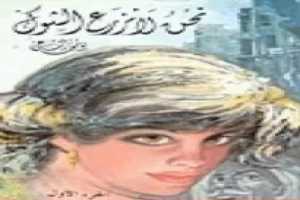
نحن لا نزرع الشوك ج 1 PDF - Youssef El Sebaei
Youssef El Sebaei • Drama novels • 186 Pages
(0)
Author
Youssef El SebaeiCategory
literatureSection
Number Of Downloads
68
Number Of Reads
93
File Size
18.53 MB
Views
1,207
Quate
Review
Save
Share
Book Description
نحن لا نزرع الشوك هي رواية اجتماعية للكاتب يوسف السباعي، صدرت لأول مرة عام 1969 عن دار المعارف. تُعد من أشهر أعمال يوسف السباعي، وقد تحولت لاحقًا إلى فيلم سينمائي ناجح، مما ساهم في انتشارها بين أجيال متعددة من القراء. تدور الرواية حول قضايا الظلم الاجتماعي، وقسوة الظروف، وتأثير البيئة في تشكيل شخصية الإنسان، مع تركيز واضح على الصراع بين الخير والشر، وإمكانية الاحتفاظ بالقيم الإنسانية رغم المعاناة.
تتمحور أحداث الرواية حول فتاة تواجه سلسلة من الظروف القاسية منذ طفولتها، فتجد نفسها مضطرة إلى العيش في بيئة مليئة بالاستغلال والحرمان. ومع تقدم الأحداث، تكافح البطلة للحفاظ على إنسانيتها وأحلامها رغم ما تتعرض له من ظلم وخداع، بينما تكشف الرواية عن التفاوت الاجتماعي واستغلال الضعفاء، وتطرح تساؤلات حول المسؤولية الأخلاقية للمجتمع تجاه أفراده. ومن خلال شخصيات متعددة تمثل شرائح اجتماعية مختلفة، يرسم يوسف السباعي صورة مؤثرة للمجتمع المصري في تلك الفترة، مع إبراز أن الرحمة والمحبة يمكن أن تنبتا حتى في أقسى البيئات، وهو ما يعكسه عنوان الرواية الرمزي.
يعتمد الكاتب على أسلوب سردي بسيط وسلس، يجمع بين الوصف الدقيق والحوار الطبيعي، مما يجعل الرواية سهلة القراءة حتى لغير المعتادين على الأدب الكلاسيكي. كما ينجح في بناء شخصيات تحمل أبعادًا نفسية واضحة، فتبدو دوافعها ومشاعرها مقنعة إلى حد كبير. ويبرز الجانب الإنساني في الرواية من خلال الاهتمام بالعواطف والصراعات الداخلية أكثر من التركيز على الأحداث المتسارعة، وهو أسلوب اشتهر به يوسف السباعي في معظم أعماله.
تُناسب الرواية القراء الذين يفضلون الأدب الاجتماعي والروايات الإنسانية التي تناقش قضايا العدالة، والفقر، والكرامة، والعلاقات الإنسانية. كما أنها خيار جيد لطلاب الأدب العربي والمهتمين بالتعرف إلى الرواية المصرية في النصف الثاني من القرن العشرين. أما من يبحث عن روايات تعتمد على التشويق السريع أو الحبكات البوليسية، فقد يجد إيقاعها أكثر هدوءًا وتركيزًا على البعد النفسي والاجتماعي.
من أبرز نقاط قوة الرواية قدرتها على إثارة التعاطف مع الشخصيات، ولغتها العربية الواضحة، ورسالتها الأخلاقية التي تقدمها دون تعقيد كبير. كذلك تتميز بقدرة يوسف السباعي على تصوير التناقضات الاجتماعية بأسلوب مؤثر يجعل القارئ يتفاعل مع معاناة الأبطال. وفي المقابل، قد يرى بعض القراء المعاصرين أن بعض المواقف تميل إلى المثالية أو أن الطرح الأخلاقي يبدو مباشرًا في بعض المواضع، وهو أمر يرتبط بطبيعة الأدب الاجتماعي في تلك المرحلة.
ما يميز نحن لا نزرع الشوك عن كثير من الروايات المشابهة هو المزج بين القصة الإنسانية المؤثرة والنقد الاجتماعي، مع الحفاظ على أسلوب بسيط يجعلها قريبة من مختلف فئات القراء. كما أن الشخصيات ليست مجرد رموز، بل تحمل مشاعر وصراعات تجعلها قابلة للتصديق، وهو ما ساهم في استمرار حضور الرواية حتى اليوم.
تُعد الرواية جديرة بالقراءة لمن يرغب في التعرف إلى أدب يوسف السباعي أو استكشاف الرواية الاجتماعية المصرية الكلاسيكية. فهي تقدم قصة مؤثرة تناقش قضايا لا تزال ذات صلة، مثل تأثير البيئة في الإنسان، والبحث عن الأمل وسط المعاناة، وقيمة الرحمة في مواجهة القسوة. وتأتي الرواية ضمن السياق الثقافي للأدب المصري الذي ازدهر في ستينيات القرن العشرين، حيث اهتم عدد من الروائيين بتسليط الضوء على التحولات الاجتماعية وقضايا العدالة والطبقات. ولم تُعرف الرواية بحصولها على جوائز أدبية مستقلة، إلا أنها اكتسبت مكانة بارزة بفضل انتشارها الواسع وتحويلها إلى عمل سينمائي ناجح، مما عزز حضورها في الذاكرة الثقافية العربية وجعلها من أشهر روايات يوسف السباعي وأكثرها قراءة.
Youssef El Sebaei
Yusuf El-Sebai (1917–1978) was one of Egypt’s most influential novelists, journalists, and public intellectuals. He is widely regarded as one of the pioneers of modern Arabic romantic fiction, and his literary works continue to be appreciated across the Arab world. Born in Cairo, Egypt, El-Sebai grew up in an environment that encouraged learning and literature. His father was a scholar and writer, which inspired Yusuf to develop a passion for reading and storytelling from an early age. Although he later pursued a military career, his love for writing never faded. He successfully balanced his responsibilities as an army officer with his remarkable achievements as a novelist, becoming one of the few Egyptian writers who excelled in both fields.
Throughout his literary career, Yusuf El-Sebai wrote numerous novels, short stories, and articles that explored themes of love, patriotism, sacrifice, morality, and social justice. His writing style was characterized by emotional depth, clear language, and compelling storytelling. He had a unique ability to portray the inner emotions of his characters while addressing important social issues affecting Egyptian society. His novels often reflected the hopes, struggles, and dreams of ordinary people, making his works relatable to readers from different backgrounds.
Many of El-Sebai’s novels became classics of Arabic literature and were later adapted into successful Egyptian films and television series. Among his best-known works are My Heart Is Not in My Pocket, Between the Ruins, The Water Carrier Is Dead, and The Age of Love. These stories combined romance with realistic depictions of life, allowing readers to connect emotionally with the characters while also reflecting on broader moral and social questions. His ability to blend romance with meaningful social commentary earned him widespread admiration and established him as one of Egypt’s most beloved authors.
In addition to his literary accomplishments, Yusuf El-Sebai played a significant role in Egypt’s cultural and journalistic life. He served as the editor of several influential magazines and newspapers, where he encouraged young writers and promoted Arabic literature. His dedication to culture and education eventually led to his appointment as Egypt’s Minister of Culture. In this role, he worked to strengthen the country’s artistic and literary institutions, support cultural exchange, and preserve Egypt’s rich cultural heritage. His efforts contributed to expanding opportunities for writers, artists, and intellectuals throughout the country.
Yusuf El-Sebai also believed that literature should serve society by promoting values such as compassion, tolerance, and national unity. Many of his writings emphasized the importance of understanding others, overcoming personal hardships, and working toward a better future. His optimistic outlook and humanistic perspective made his books popular among readers of different generations. Even today, students and literature enthusiasts continue to study his works because they combine engaging narratives with timeless lessons about life and human relationships.
Beyond literature, El-Sebai was respected for his service in the Egyptian military, eventually reaching the rank of brigadier. His experiences in the armed forces influenced some of his writings, particularly those dealing with patriotism and responsibility. Despite his demanding military career, he remained deeply committed to the literary world and proved that dedication and creativity can coexist with public service.
The life of Yusuf El-Sebai came to a tragic end in 1978 when he was assassinated while attending an international cultural conference in Cyprus. His death shocked Egypt and the Arab world, as he was considered one of the country’s leading cultural figures. Although his life was cut short, his literary legacy has endured. His novels continue to be published, translated, and adapted for modern audiences, ensuring that new generations discover his remarkable contributions to Arabic literature.
Today, Yusuf El-Sebai is remembered not only as a gifted novelist but also as a visionary cultural leader who believed in the power of literature to inspire, educate, and unite people. His works remain an important part of Egypt’s literary heritage, reflecting the emotions, values, and aspirations of Egyptian society during the twentieth century. Through his unforgettable stories, memorable characters, and enduring message of hope and humanity, Yusuf El-Sebai continues to influence readers and writers across the Arab world and beyond.
Earn Rewards While Reading!
Every 10 pages you read and spent 30 seconds on every page, earns you 5 reward points! Keep reading to unlock achievements and exclusive benefits.
Read
Rate Now
5 Stars
4 Stars
3 Stars
2 Stars
1 Stars
نحن لا نزرع الشوك ج 1 Quotes
Top Rated
Latest
Quate
Be the first to leave a quote and earn 10 points
instead of 3
'%20/%3e%3c/svg%3e "أرض النفاق")
Comments
Be the first to leave a comment and earn 5 points
instead of 3