

The source of the book
This book is published for the public benefit under a Creative Commons license, or with the permission of the author or publisher. If you have any objections to its publication, please contact us.
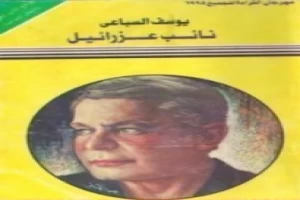
نائب عزرائيل PDF - Youssef El Sebaei
Youssef El Sebaei • Drama novels • 128 Pages
(0)
Author
Youssef El SebaeiCategory
literatureSection
Number Of Downloads
44
Number Of Reads
59
File Size
8.84 MB
Views
884
Quate
Review
Save
Share
Book Description
يُعد كتاب «نائب عزرائيل» للكاتب المصري يوسف السباعي واحدًا من أبرز الأعمال الروائية التي تمزج بين الخيال والفلسفة والسخرية الاجتماعية في الأدب العربي الحديث. صدرت الرواية لأول مرة في منتصف القرن العشرين، ونُشرت في طبعات متعددة عن دور نشر عربية مختلفة، ولا تزال تحظى باهتمام القراء بفضل فكرتها غير التقليدية وأسلوبها السلس. اشتهر يوسف السباعي بقدرته على الجمع بين التشويق والتأمل الإنساني، وتُعد هذه الرواية مثالًا واضحًا على ذلك، إذ تطرح أسئلة عميقة حول الحياة والموت والسلطة والمسؤولية في إطار روائي ممتع.
تدور الفكرة الرئيسية للرواية حول تصور خيالي يتخيل أن إنسانًا عاديًا يجد نفسه في موقف استثنائي يرتبط بمهمة تتعلق بالموت، وهو ما يفتح الباب أمام سلسلة من المواقف التي تمزج بين الطرافة والرمزية والتأمل الفلسفي. ومن خلال هذا التصور، يناقش يوسف السباعي طبيعة الإنسان عندما يمتلك سلطة لا يملكها عادة، وكيف يمكن أن تؤثر القرارات المصيرية في حياة الآخرين. ولا تعتمد الرواية على الإثارة وحدها، بل تستخدم هذا الخيال وسيلة لطرح قضايا أخلاقية وإنسانية تتعلق بالعدالة والرحمة والقضاء والقدر.
تتطور أحداث الرواية عبر مواقف متتابعة تكشف الجوانب النفسية والفكرية للشخصيات، حيث يواجه البطل تحديات واختبارات تدفعه إلى إعادة النظر في مفاهيم الخير والشر، والواجب والرغبة، والعدل والشفقة. ومع تقدم الأحداث، يكتشف القارئ أن العمل لا يهدف إلى تقديم قصة خيالية فحسب، بل إلى دعوة للتفكير في قيمة الحياة وحدود السلطة الإنسانية، مع الحفاظ على إيقاع سردي يجمع بين التشويق وخفة الظل. ويحرص الكاتب على توظيف الحوار والمواقف الرمزية لإيصال أفكاره دون أن تتحول الرواية إلى خطاب مباشر أو وعظي.
تناسب رواية «نائب عزرائيل» القراء الذين يستمتعون بالأعمال الأدبية التي تمزج بين الخيال والفكر، كما أنها مناسبة لمحبي الروايات الكلاسيكية العربية ذات البعد الفلسفي والاجتماعي. ويمكن أيضًا أن يجد فيها طلاب الأدب العربي والمهتمون بأعمال يوسف السباعي نموذجًا مميزًا لأسلوبه في معالجة الأفكار الكبرى بلغة بسيطة وقريبة من القارئ. أما من يبحث عن رواية تعتمد على الحركة السريعة أو الإثارة المتواصلة فقد يجد أن التركيز على الحوار والأفكار يحتل مساحة أكبر من الأحداث.
من أبرز نقاط قوة الرواية أصالة فكرتها، إذ تقدم معالجة مختلفة لموضوع الموت من خلال رؤية أدبية إنسانية بعيدة عن الرعب أو الخيال المظلم. كما يتميز أسلوب يوسف السباعي بالسلاسة والوضوح، مع قدرة واضحة على بناء شخصيات تحمل أبعادًا رمزية وإنسانية في الوقت نفسه. ويُحسب للرواية نجاحها في الموازنة بين الترفيه والتأمل، مما يجعلها قابلة للقراءة والاستمتاع على أكثر من مستوى. وفي المقابل، قد يرى بعض القراء أن بعض الحوارات والتأملات الفكرية تطيل إيقاع السرد مقارنة بالروايات الحديثة، كما أن طبيعة العمل الرمزية قد تتطلب من القارئ قدرًا من التأمل لفهم دلالاته العميقة.
ما يميز «نائب عزرائيل» عن كثير من الروايات العربية المشابهة هو اعتمادها على فكرة رمزية مبتكرة تُستخدم لاستكشاف قضايا إنسانية وفلسفية، بدل الاكتفاء بالسرد الواقعي أو الرومانسي الذي عُرف به عدد من أعمال الفترة نفسها. وقد استطاع يوسف السباعي أن يقدم عملًا يجمع بين الخيال الأدبي والنقد الاجتماعي، مع المحافظة على لغة سهلة جعلت الرواية قريبة من جمهور واسع، وهو ما أسهم في استمرار حضورها بين القراء عبر العقود.
تظل الرواية جديرة بالقراءة لكل من يرغب في التعرف إلى جانب مختلف من إبداع يوسف السباعي، خاصة لمن يفضل الأعمال التي تثير التفكير إلى جانب المتعة الأدبية. فهي لا تقدم إجابات جاهزة بقدر ما تدفع القارئ إلى التأمل في أسئلة تتعلق بالحياة والموت والمسؤولية الإنسانية، وهو ما يمنحها قيمة أدبية وفكرية مستمرة.
وتأتي «نائب عزرائيل» في سياق ثقافي شهد ازدهار الرواية العربية الحديثة وسعي عدد من الأدباء إلى توظيف الخيال والرمزية لمعالجة قضايا المجتمع والإنسان. وقد أسهم يوسف السباعي، من خلال هذا العمل وغيره، في توسيع آفاق الرواية العربية وجعلها أكثر انفتاحًا على الأسئلة الفلسفية والإنسانية. ولم تُعرف الرواية بحصولها على جوائز أدبية محددة، إلا أنها تُعد من الأعمال البارزة في مسيرة يوسف السباعي، ولا تزال تحظى باهتمام القراء والباحثين بوصفها إحدى رواياته المميزة.
Youssef El Sebaei
Yusuf El-Sebai (1917–1978) was one of Egypt’s most influential novelists, journalists, and public intellectuals. He is widely regarded as one of the pioneers of modern Arabic romantic fiction, and his literary works continue to be appreciated across the Arab world. Born in Cairo, Egypt, El-Sebai grew up in an environment that encouraged learning and literature. His father was a scholar and writer, which inspired Yusuf to develop a passion for reading and storytelling from an early age. Although he later pursued a military career, his love for writing never faded. He successfully balanced his responsibilities as an army officer with his remarkable achievements as a novelist, becoming one of the few Egyptian writers who excelled in both fields.
Throughout his literary career, Yusuf El-Sebai wrote numerous novels, short stories, and articles that explored themes of love, patriotism, sacrifice, morality, and social justice. His writing style was characterized by emotional depth, clear language, and compelling storytelling. He had a unique ability to portray the inner emotions of his characters while addressing important social issues affecting Egyptian society. His novels often reflected the hopes, struggles, and dreams of ordinary people, making his works relatable to readers from different backgrounds.
Many of El-Sebai’s novels became classics of Arabic literature and were later adapted into successful Egyptian films and television series. Among his best-known works are My Heart Is Not in My Pocket, Between the Ruins, The Water Carrier Is Dead, and The Age of Love. These stories combined romance with realistic depictions of life, allowing readers to connect emotionally with the characters while also reflecting on broader moral and social questions. His ability to blend romance with meaningful social commentary earned him widespread admiration and established him as one of Egypt’s most beloved authors.
In addition to his literary accomplishments, Yusuf El-Sebai played a significant role in Egypt’s cultural and journalistic life. He served as the editor of several influential magazines and newspapers, where he encouraged young writers and promoted Arabic literature. His dedication to culture and education eventually led to his appointment as Egypt’s Minister of Culture. In this role, he worked to strengthen the country’s artistic and literary institutions, support cultural exchange, and preserve Egypt’s rich cultural heritage. His efforts contributed to expanding opportunities for writers, artists, and intellectuals throughout the country.
Yusuf El-Sebai also believed that literature should serve society by promoting values such as compassion, tolerance, and national unity. Many of his writings emphasized the importance of understanding others, overcoming personal hardships, and working toward a better future. His optimistic outlook and humanistic perspective made his books popular among readers of different generations. Even today, students and literature enthusiasts continue to study his works because they combine engaging narratives with timeless lessons about life and human relationships.
Beyond literature, El-Sebai was respected for his service in the Egyptian military, eventually reaching the rank of brigadier. His experiences in the armed forces influenced some of his writings, particularly those dealing with patriotism and responsibility. Despite his demanding military career, he remained deeply committed to the literary world and proved that dedication and creativity can coexist with public service.
The life of Yusuf El-Sebai came to a tragic end in 1978 when he was assassinated while attending an international cultural conference in Cyprus. His death shocked Egypt and the Arab world, as he was considered one of the country’s leading cultural figures. Although his life was cut short, his literary legacy has endured. His novels continue to be published, translated, and adapted for modern audiences, ensuring that new generations discover his remarkable contributions to Arabic literature.
Today, Yusuf El-Sebai is remembered not only as a gifted novelist but also as a visionary cultural leader who believed in the power of literature to inspire, educate, and unite people. His works remain an important part of Egypt’s literary heritage, reflecting the emotions, values, and aspirations of Egyptian society during the twentieth century. Through his unforgettable stories, memorable characters, and enduring message of hope and humanity, Yusuf El-Sebai continues to influence readers and writers across the Arab world and beyond.
Earn Rewards While Reading!
Every 10 pages you read and spent 30 seconds on every page, earns you 5 reward points! Keep reading to unlock achievements and exclusive benefits.
Read
Rate Now
5 Stars
4 Stars
3 Stars
2 Stars
1 Stars
نائب عزرائيل Quotes
Top Rated
Latest
Quate
Be the first to leave a quote and earn 10 points
instead of 3
'%20/%3e%3c/svg%3e "أرض النفاق")
Comments
Be the first to leave a comment and earn 5 points
instead of 3