

The source of the book
This book is published for the public benefit under a Creative Commons license, or with the permission of the author or publisher. If you have any objections to its publication, please contact us.
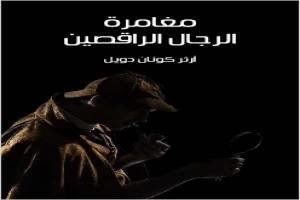
مغامرة الرجل الزاحف PDF - Arthur Conan Doyle
Arthur Conan Doyle • short stories • 28 Pages
(0)
Author
Arthur Conan DoyleCategory
literatureSection
Number Of Downloads
65
Number Of Reads
59
File Size
3.61 MB
Views
873
Quate
Review
Save
Share
Book Description
تُعدّ «مغامرة الرجل الزاحف» واحدة من قصص شرلوك هولمز القصيرة التي كتبها آرثر كونان دويل، وهي من أعماله المتأخرة في عالم المحقق الشهير. نُشرت القصة أول مرة في مارس 1923 في مجلة The Strand Magazine في بريطانيا، وفي Hearst’s International في الولايات المتحدة، ثم أُدرجت لاحقًا ضمن مجموعة The Case-Book of Sherlock Holmes التي صدرت في بريطانيا عام 1927 عن دار John Murray، وفي الولايات المتحدة عن George H. Doran Co. وتتميّز القصة بأنها تمزج بين أدب التحري الكلاسيكي ولمسة من الخيال العلمي القلق، إذ لا تدور حول جريمة قتل تقليدية بقدر ما تكشف عن تجربة بشرية غريبة تقود صاحبها إلى سلوك مخيف ومهين.
تبدأ «مغامرة الرجل الزاحف» من خلال رواية الدكتور واطسون، الذي يشير إلى أن القضية وقعت في مرحلة متأخرة من مسيرة شرلوك هولمز، قبل اعتزاله إلى سَسِكس. يستدعي هولمزُ وواطسونَ بعد تلقيه رسالة من تريفور بينيت، وهو شاب يعمل سكرتيرًا لدى الأستاذ بريسبرى، أحد أساتذة جامعة كمبردج، كما أنه مخطوب لابنة الأستاذ. يطلب بينيت المساعدة لأن سلوك أستاذه تغيّر على نحو مفاجئ ومقلق، من دون سبب واضح.
الأستاذ بريسبرى رجل محترم، معروف بعلمه ومكانته الاجتماعية، لكنه بدأ يتصرف بطريقة لا تناسب عمره ولا شخصيته السابقة. فقد أصبح أكثر سرية، وبدأ يتلقى رسائل وطرودًا غامضة من جهة غير مفهومة، كما صار يغادر منزله أو يتحرك فيه في أوقات غير مألوفة. الأشد غرابة أن ابنته وخطيبه بينيت لاحظا عليه تصرفات جسدية غير طبيعية، كأنه يفقد وقاره الإنساني ويتحول إلى مخلوق بدائي. ومن هنا يأتي عنوان القصة: الرجل الذي يزحف.
يتوجه هولمز وواطسون إلى كمبردج للتحقيق في الأمر. وكعادته، لا يكتفي هولمز بالانطباعات العامة، بل يراقب التفاصيل الصغيرة: مواعيد الرسائل، ردود فعل الكلب الموجود في البيت، طبيعة العلاقة بين الأستاذ وأسرته، والتغير المفاجئ في مزاجه. يلفت انتباه هولمز أن الكلب، الذي كان معتادًا على صاحبه، صار يهاجمه أو يظهر خوفًا وعداءً تجاهه. هذه الملاحظة تبدو في البداية هامشية، لكنها تصبح مفتاحًا مهمًا في تفسير الحالة، لأن الحيوان يلتقط تغيّرًا حقيقيًا في رائحة الرجل أو سلوكه.
يتضح تدريجيًا أن الأستاذ بريسبرى، وقد تقدّم في السن، كان واقعًا تحت ضغط رغبته في استعادة الشباب، خاصة لأنه مرتبط عاطفيًا بامرأة أصغر منه. هذه الرغبة تقوده إلى التواصل مع طبيب أو عالم أجنبي يدعى لوينشتاين، يحصل منه على مادة غامضة يُفترض أنها تمنح النشاط والحيوية. لكن العلاج لا يعيد إليه الشباب بطريقة آمنة، بل يدفعه إلى تصرفات شبيهة بسلوك القردة: التسلق، الزحف، الحركات المفاجئة، والنزعات العدوانية.
تبلغ القصة ذروتها عندما يراقب هولمز وواطسون وبنيت الأستاذ في الليل، فيرونه يتحرك بطريقة مرعبة على الجدران والنوافذ، كأنه لم يعد يتحكم تمامًا في طبيعته البشرية. عندها يكشف هولمز الحقيقة: إن ما يبدو لغزًا خارقًا ليس إلا نتيجة تجربة طبية خطيرة وغير أخلاقية، استسلم لها رجل مثقف تحت تأثير الخوف من الشيخوخة والرغبة في استعادة القوة. لا يعامل هولمز القضية كجريمة عادية، بل كتحذير من العبث بجسد الإنسان ومن تحويل العلم إلى وسيلة للغرور والإنكار.
تمنح «مغامرة الرجل الزاحف» القارئ صورة مختلفة قليلًا عن قصص شرلوك هولمز المعتادة. فالغموض هنا لا يقوم على قاتل مجهول أو سرقة معقدة، بل على انحراف نفسي وعلمي يهدد كرامة الإنسان. يستخدم آرثر كونان دويل شخصية هولمز ليكشف الحقيقة بعقلانية، لكنه في الوقت نفسه يلمّح إلى مخاوف عصره من التجارب الطبية التي تعد بإطالة الشباب أو تجديد الجسد. لذلك تبقى القصة مهمة ضمن أعمال شرلوك هولمز، لا لأنها الأقوى من حيث الحبكة البوليسية، بل لأنها تعرض سؤالًا إنسانيًا واضحًا: ماذا يحدث عندما يرفض الإنسان حدوده الطبيعية، ويطلب من العلم ما لا ينبغي أن يمنحه؟
Arthur Conan Doyle
Agatha Christie is one of the most influential and widely read writers in the history of detective fiction, a British author whose name has become almost synonymous with mystery, crime, suspense, and the perfectly constructed literary puzzle. Born in England in 1890, Christie developed a lifelong fascination with storytelling, human behavior, secrets, and the hidden motives that can lie beneath ordinary social life. Her fiction is famous for combining elegant simplicity with extraordinary technical control: a body is discovered, a group of suspects is gathered, motives begin to surface, and the truth remains carefully concealed until the final revelation reshapes everything the reader thought they understood. What makes Agatha Christie especially remarkable is not only the number of books she wrote, but the precision with which she transformed the detective story into a form of intellectual entertainment. Her novels invite readers to become investigators, to notice small details, to weigh testimony, to question appearances, and to discover that the most important clue is often hidden in plain sight. Christie created some of the most recognizable characters in world literature, especially Hercule Poirot and Miss Marple. Hercule Poirot, the Belgian detective with his orderly mind, careful manners, and famous reliance on psychological insight, represents the power of logic, method, and close observation. Miss Marple, by contrast, appears modest and gentle, yet her deep understanding of village life and human nature allows her to interpret crime through patterns of behavior she has seen before. Through these two figures, Christie showed that detection could be both rational and intuitive, both analytical and humane. Her most celebrated works include Murder on the Orient Express, And Then There Were None, The Murder of Roger Ackroyd, Death on the Nile, The A.B.C. Murders, and A Murder Is Announced. These books remain popular because they combine suspense with memorable settings: a snowbound train, an isolated island, a river steamer, a country house, a quiet village, or a seemingly respectable family gathering. Christie understood that a confined setting increases tension, forcing characters to reveal themselves under pressure while the reader searches for the pattern behind their lies. Her storytelling rarely depends on graphic violence; instead, it relies on atmosphere, misdirection, dialogue, motive, and timing. She also wrote for the stage, and The Mousetrap became one of the most famous long-running plays in theatre history, proving that her sense of suspense could work as powerfully before a live audience as it did on the page. Agatha Christie’s prose is clear, economical, and accessible, which partly explains her global appeal. Yet beneath that clarity is a highly disciplined narrative intelligence. She knew when to withhold information, when to plant a clue, when to allow a suspect to appear guilty, and when to overturn expectations without cheating the reader. Her work reflects the social world of twentieth-century Britain, including class, manners, domestic life, inheritance, travel, marriage, reputation, and the tensions between public respectability and private desire. For modern readers, Christie’s novels offer more than clever endings. They offer a portrait of how people hide shame, ambition, resentment, fear, and longing behind polite conversation. Her influence can be seen in countless crime novels, television series, films, and detective stories that continue to use and reinvent the classic mystery structure she perfected. For book websites, libraries, and readers searching for classic crime fiction, Agatha Christie remains an essential author. Her legacy rests on the rare combination of popularity, originality, craftsmanship, and enduring readability. Decades after her death, her stories continue to challenge, entertain, and surprise readers, confirming her place as the enduring queen of mystery fiction.
Earn Rewards While Reading!
Every 10 pages you read and spent 30 seconds on every page, earns you 5 reward points! Keep reading to unlock achievements and exclusive benefits.
Read
Rate Now
5 Stars
4 Stars
3 Stars
2 Stars
1 Stars
مغامرة الرجل الزاحف Quotes
Top Rated
Latest
Quate
Be the first to leave a quote and earn 10 points
instead of 3
'%20/%3e%3c/svg%3e "آلة التفكيك")
Comments
Be the first to leave a comment and earn 5 points
instead of 3