

The source of the book
This book is published for the public benefit under a Creative Commons license, or with the permission of the author or publisher. If you have any objections to its publication, please contact us.
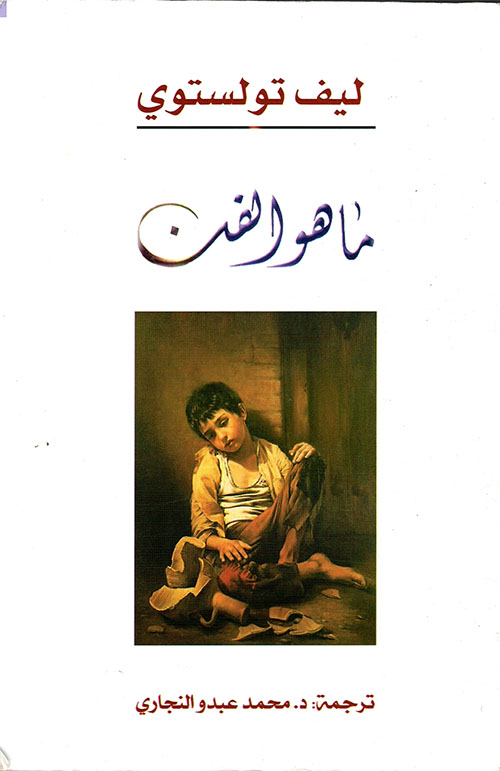
ما هو الفن؟ PDF - Leo Tolstoy
Leo Tolstoy • Literary articles • 265 Pages
(0)
Author
Leo TolstoyCategory
EssaysSection
Number Of Downloads
67
Number Of Reads
292
File Size
3.56 MB
Views
1,834
Quate
Review
Save
Share
Book Description
كتاب «ما هو الفن؟» — ليو تولستوي
يُعد كتاب «ما هو الفن؟» للمفكر والروائي الروسي ليو تولستوي واحداً من أهم الكتب الفلسفية التي تناولت معنى الفن ووظيفته وتأثيره في الإنسان والمجتمع. في هذا العمل الفكري العميق، لا يكتفي تولستوي بمناقشة الجمال بوصفه فكرة مجردة، بل يطرح سؤالاً أكثر جوهرية: ما الغاية الحقيقية من الفن؟ وهل قيمة العمل الفني تُقاس بمدى جماله ومتعة تلقيه، أم بقدرته على نقل المشاعر الإنسانية الصادقة والتأثير الأخلاقي في البشر؟
كتب تولستوي هذا الكتاب بعد سنوات طويلة من التأمل الفكري والنقد الثقافي، في مرحلة متقدمة من حياته الفكرية، حيث أصبح أكثر اهتماماً بالقضايا الإنسانية والأخلاقية والروحية. لذلك يأتي الكتاب بوصفه مراجعة فلسفية شاملة للفنون والأدب والموسيقى والمسرح، مع محاولة جريئة لإعادة تعريف الفن بعيداً عن التصورات التقليدية التي تربطه فقط بالجمال أو الترف الثقافي. يرى تولستوي أن الفن الحقيقي ليس حكراً على النخبة، بل هو وسيلة إنسانية عالمية لنقل الشعور والتفاهم بين الناس مهما اختلفت طبقاتهم وثقافاتهم.
رؤية فلسفية مختلفة لمعنى الفن
يناقش الكتاب العديد من الأسئلة التي ظلت محوراً للفلسفة الجمالية عبر التاريخ. ما الفرق بين الفن الحقيقي والفن الزائف؟ لماذا تُعتبر بعض الأعمال الفنية عظيمة رغم أنها لا تُمتع الجميع؟ وهل يمكن للفن أن يكون أخلاقياً أو مفسداً في الوقت نفسه؟ يقدم تولستوي إجابات حادة وصريحة، وغالباً ما تكون مثيرة للجدل، إذ ينتقد بشدة كثيراً من الاتجاهات الفنية التي كانت سائدة في عصره، ويرى أن بعض الأعمال الفنية فقدت صلتها بالإنسان العادي وأصبحت موجهة فقط للطبقات الثرية والمثقفين.
ومن خلال هذا الطرح، يتحول الكتاب إلى دراسة فلسفية وأدبية وثقافية تتجاوز حدود النقد الفني التقليدي. لا يتحدث تولستوي عن الفن باعتباره زخرفة للحياة، بل باعتباره قوة قادرة على تشكيل الوعي الإنساني ونقل التجارب العاطفية والروحية بين البشر. ولهذا السبب ظل الكتاب حاضراً بقوة في النقاشات المتعلقة بفلسفة الفن والنقد الأدبي وعلم الجمال حتى اليوم.
أسلوب تولستوي في الكتاب
ما يميز «ما هو الفن؟» ليس فقط عمق الأفكار، بل أيضاً أسلوب تولستوي الواضح والمباشر. فعلى الرغم من الطبيعة الفلسفية للموضوع، يكتب المؤلف بلغة حيوية تعتمد على الأمثلة والتحليل والنقد الواقعي، مما يجعل الكتاب مناسباً للقراء المهتمين بالفكر والثقافة حتى لو لم يكونوا متخصصين في الفلسفة. ويستعين تولستوي بأمثلة من الأدب والموسيقى والرسم والمسرح الأوروبي والروسي لشرح رؤيته، كما يناقش آراء عدد كبير من الفلاسفة والنقاد والفنانين.
يتميز الكتاب كذلك بجرأته الفكرية؛ إذ لا يتردد تولستوي في انتقاد بعض أشهر الأعمال الفنية والأدبية في عصره، معتبراً أن الفن ينبغي أن يكون صادقاً وقادراً على توحيد المشاعر الإنسانية بدلاً من أن يتحول إلى وسيلة للتفاخر الثقافي أو التعقيد النخبوي. هذه الجرأة جعلت الكتاب واحداً من أكثر كتب تولستوي إثارة للنقاش بين النقاد والمفكرين. (lib-books.com)
لماذا ما زال هذا الكتاب مهماً حتى اليوم؟
تكمن أهمية كتاب «ما هو الفن؟» في أنه لا يقدم تعريفاً تقليدياً للفن، بل يدعو القارئ إلى إعادة التفكير في علاقته بالأدب والموسيقى والرسم والثقافة عموماً. في زمن تتغير فيه أشكال التعبير الفني باستمرار، تبقى أسئلة تولستوي حاضرة بقوة: هل الفن رسالة إنسانية؟ هل يجب أن يكون للفن هدف أخلاقي؟ وهل يستطيع العمل الفني أن يخلق تعاطفاً حقيقياً بين البشر؟
لهذا يظل الكتاب مرجعاً مهماً للمهتمين بـ فلسفة الفن والنقد الأدبي والفكر الإنساني، كما يجذب القراء الذين يبحثون عن كتب تناقش معنى الإبداع ودور الثقافة في المجتمع. ويجد فيه طلاب الفلسفة والأدب مادة ثرية للتأمل والتحليل، بينما يكتشف القارئ العام نصاً فكرياً يحمل الكثير من الأسئلة العميقة حول الجمال والحقيقة والإنسان.
لمن يُناسب هذا الكتاب؟
يناسب «ما هو الفن؟» القراء المهتمين بالفكر الفلسفي والأدب الروسي والنقد الثقافي، كما يهم الفنانين والكتّاب والمهتمين بعلم الجمال وتاريخ الفن. وإذا كنت من محبي كتب فيودور دوستويفسكي أو الأعمال الفكرية الكلاسيكية التي تناقش الإنسان والمجتمع والأخلاق، فستجد في هذا الكتاب تجربة فكرية ثرية ومختلفة.
كما يُعد الكتاب خياراً مهماً لكل من يرغب في فهم رؤية ليو تولستوي الفكرية خارج نطاق الرواية، حيث يكشف جانباً فلسفياً عميقاً من شخصية الكاتب الذي قدّمه العالم بوصفه أحد أعظم الأدباء في التاريخ. ومن خلال صفحاته، يتضح كيف كان تولستوي يرى الفن كوسيلة للتواصل الإنساني الصادق، لا مجرد ترف ثقافي أو متعة عابرة. (novbook.net)
Leo Tolstoy
Leo Tolstoy is one of the most influential writers in world literature, a Russian novelist, moral thinker, and social critic whose work helped define the possibilities of the modern novel. Born into an aristocratic family in Russia, he grew up close to the rural estate life that later became central to his imagination, his ethical concerns, and his understanding of class, labor, family, faith, and personal responsibility. Tolstoy is best known for the monumental novels War and Peace and Anna Karenina, two works that continue to stand among the highest achievements of literary realism. His fiction is celebrated not merely for its scale, but for its extraordinary ability to portray human consciousness, social pressure, moral confusion, and the hidden movement of history through the lives of individuals. In War and Peace, Tolstoy transforms the historical novel into a vast meditation on war, fate, leadership, memory, and ordinary human experience. He portrays the Napoleonic era not as a simple sequence of heroic decisions, but as a complex web of personal choices, accidents, social customs, emotions, and forces beyond the control of any single ruler or general. In Anna Karenina, he offers one of literature’s most penetrating studies of love, marriage, desire, jealousy, social judgment, and spiritual hunger, creating characters whose inner lives feel immediate, contradictory, and painfully human. Tolstoy’s narrative style combines simplicity with depth: he can describe a ballroom, a battlefield, a family quarrel, a harvest, or a moment of private doubt with such precision that each scene becomes a window into moral and psychological truth. His characters are memorable because they are never reduced to symbols; they change, hesitate, deceive themselves, seek forgiveness, suffer, and grow. Beyond his novels, Tolstoy wrote short fiction, essays, autobiographical works, religious reflections, and educational writings that reveal a lifelong struggle to reconcile art, conscience, and everyday life. In his later years, he became increasingly concerned with questions of nonviolence, poverty, property, organized religion, and the ethical meaning of Christianity. His critique of violence and his insistence on moral self-examination influenced readers far beyond Russia and helped shape later discussions of peaceful resistance, social reform, and spiritual simplicity. As an author for book lovers, Tolstoy remains essential because his works speak to both private feeling and public history. He examines the intimate life of families while also asking how nations move toward war, how societies punish those who break their rules, and how individuals can live truthfully in a world built on pride, ambition, and illusion. His influence can be felt in modern realism, psychological fiction, historical narrative, philosophical literature, and moral essays. Readers return to Tolstoy because his books do not offer easy answers; they invite deep attention to life itself. He writes about birth, death, love, work, faith, conflict, and forgiveness with a seriousness that makes ordinary experience feel immense. Leo Tolstoy’s legacy endures because he created literature that is both artistically powerful and ethically demanding, literature that asks every generation to reconsider what it means to live honestly, love responsibly, and search for meaning in a complicated world.
Earn Rewards While Reading!
Every 10 pages you read and spent 30 seconds on every page, earns you 5 reward points! Keep reading to unlock achievements and exclusive benefits.
Read
Rate Now
5 Stars
4 Stars
3 Stars
2 Stars
1 Stars
ما هو الفن؟ Quotes
Top Rated
Latest
Quate
Be the first to leave a quote and earn 10 points
instead of 3
'%20/%3e%3c/svg%3e "إنجيل تولستوي وديانته")
Comments
Be the first to leave a comment and earn 5 points
instead of 3