

The source of the book
This book is published for the public benefit under a Creative Commons license, or with the permission of the author or publisher. If you have any objections to its publication, please contact us.
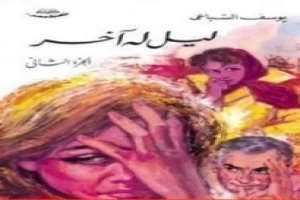
ليل له آخر: الجزء الثاني PDF - Youssef El Sebaei
Youssef El Sebaei • Drama novels • 155 Pages
(0)
Author
Youssef El SebaeiCategory
literatureSection
Number Of Downloads
42
Number Of Reads
79
File Size
17.92 MB
Views
1,008
Quate
Review
Save
Share
Book Description
رواية ليل له آخر: الجزء الثاني للكاتب المصري يوسف السباعي تُعد من الأعمال الأدبية التي تواصل البناء الدرامي والإنساني الذي بدأه الكاتب في الجزء الأول، وتعكس أسلوبه المعروف في المزج بين الرومانسية والتحليل النفسي والقضايا الاجتماعية. ألّف يوسف السباعي هذه الرواية ضمن مسيرته الأدبية الحافلة التي جعلته أحد أبرز الروائيين العرب في القرن العشرين، وقد صدرت عن دار المعارف في مصر ضمن طبعاتها المتداولة. ونظرًا لتعدد الطبعات عبر السنوات، فقد تختلف سنة النشر باختلاف الإصدار الذي بين يدي القارئ.
تدور الفكرة الرئيسية للرواية حول صراع الإنسان مع الماضي، ومحاولاته للتمسك بالأمل رغم الظروف القاسية التي تحيط به. يواصل الجزء الثاني استكمال مصائر الشخصيات التي تعرّف إليها القارئ في الجزء الأول، حيث تتشابك العلاقات الإنسانية وتتطور الأحداث من خلال مواقف تكشف عن الحب والوفاء والخيانة والتضحية. يعتمد يوسف السباعي على تصاعد درامي متوازن، فيكشف تدريجيًا عن دوافع الشخصيات ويمنحها مساحة للتطور النفسي، وهو ما يجعل الأحداث مترابطة حتى تصل إلى خاتمة تحمل أبعادًا إنسانية وعاطفية مؤثرة دون الاعتماد على الإثارة المفتعلة.
يمتاز السرد بلغة عربية سلسة وأسلوب واضح يجعل الرواية مناسبة لشريحة واسعة من القراء، سواء كانوا من محبي الأدب الكلاسيكي العربي أو من الراغبين في التعرف إلى أعمال يوسف السباعي للمرة الأولى. كما يبرع الكاتب في رسم الشخصيات وإبراز مشاعرها الداخلية، ويمنح الحوارات دورًا مهمًا في دفع الأحداث وكشف الجوانب النفسية والاجتماعية لكل شخصية. ولا يقتصر اهتمام الرواية على الجانب العاطفي، بل تمتد لتناقش قيمًا مثل المسؤولية، والعدالة، وتأثير القرارات الفردية في حياة الآخرين.
يناسب هذا الكتاب القراء الذين يفضلون الروايات الاجتماعية والرومانسية ذات الطابع الإنساني، والمهتمين بالأدب العربي في القرن العشرين. كما سيكون خيارًا جيدًا لمن استمتع بالجزء الأول ويرغب في متابعة تطور الشخصيات ومعرفة نهايات خطوطها الدرامية. وقد يجد القارئ الذي يفضل الإيقاع السريع أو الروايات المعاصرة أن أسلوب السرد أكثر هدوءًا، إلا أن هذا الهدوء يخدم البناء النفسي والدرامي للرواية ويمنحها عمقًا أكبر.
من أبرز نقاط القوة في ليل له آخر: الجزء الثاني قدرة يوسف السباعي على تقديم شخصيات قريبة من الواقع، وإضفاء بعد إنساني على الصراعات التي تعيشها، إضافة إلى لغته الأدبية الرقيقة التي تجمع بين البساطة والجمال. كما تتميز الرواية بتوازنها بين الوصف والحوار، مما يحافظ على انسيابية القراءة ويجعل الأحداث تتطور بصورة طبيعية. أما من نقاط الضعف المحتملة بالنسبة لبعض القراء، فهي أن بعض المقاطع تتسم بالتأمل والإيقاع الهادئ مقارنة بالروايات الحديثة، وهو أمر يرتبط بطبيعة الأسلوب الأدبي السائد في الفترة التي كُتبت فيها الرواية.
ما يميز هذا العمل عن كثير من الروايات الاجتماعية الأخرى هو تركيزه على البعد الإنساني للشخصيات أكثر من اعتماده على المفاجآت الدرامية، إلى جانب قدرة يوسف السباعي على تصوير المشاعر والعلاقات الأسرية والعاطفية بأسلوب يجمع بين الرقة والواقعية. كما أن استكمال الأحداث في جزء ثانٍ يمنح الشخصيات مساحة أوسع للنمو، ويتيح للقارئ فهمًا أعمق لدوافعها وتحولاتها.
تأتي الرواية في سياق الحركة الأدبية المصرية التي شهدت ازدهارًا كبيرًا خلال القرن العشرين، وهي فترة اهتم فيها الأدباء بتصوير التحولات الاجتماعية والإنسانية التي عاشها المجتمع المصري. وقد كان يوسف السباعي من أبرز الأصوات التي قدمت الرواية الاجتماعية بأسلوب يجمع بين التشويق والبعد العاطفي، مما ساهم في انتشار أعماله بين مختلف فئات القراء وتحويل عدد منها إلى أعمال سينمائية وتلفزيونية.
أما من حيث الجوائز، فلا تُعرف جوائز أدبية مستقلة خُصصت لرواية ليل له آخر: الجزء الثاني تحديدًا، إلا أن مؤلفها يوسف السباعي يُعد من أبرز الأدباء المصريين الذين تركوا أثرًا كبيرًا في الأدب العربي الحديث، وما زالت أعماله تحظى بإقبال واسع وإعادة طباعة مستمرة.
إذا كنت من محبي الروايات الاجتماعية الكلاسيكية التي تهتم ببناء الشخصيات والعلاقات الإنسانية وتوازن بين العاطفة والواقع، فإن ليل له آخر: الجزء الثاني يستحق القراءة، خاصة بعد الاطلاع على الجزء الأول، إذ يمنح تجربة متكاملة تساعد على فهم تطور الأحداث والشخصيات بصورة أعمق، ويقدم نموذجًا واضحًا لأسلوب يوسف السباعي الذي ما زال يحتفظ بجاذبيته لدى القراء حتى اليوم.
Youssef El Sebaei
Yusuf El-Sebai (1917–1978) was one of Egypt’s most influential novelists, journalists, and public intellectuals. He is widely regarded as one of the pioneers of modern Arabic romantic fiction, and his literary works continue to be appreciated across the Arab world. Born in Cairo, Egypt, El-Sebai grew up in an environment that encouraged learning and literature. His father was a scholar and writer, which inspired Yusuf to develop a passion for reading and storytelling from an early age. Although he later pursued a military career, his love for writing never faded. He successfully balanced his responsibilities as an army officer with his remarkable achievements as a novelist, becoming one of the few Egyptian writers who excelled in both fields.
Throughout his literary career, Yusuf El-Sebai wrote numerous novels, short stories, and articles that explored themes of love, patriotism, sacrifice, morality, and social justice. His writing style was characterized by emotional depth, clear language, and compelling storytelling. He had a unique ability to portray the inner emotions of his characters while addressing important social issues affecting Egyptian society. His novels often reflected the hopes, struggles, and dreams of ordinary people, making his works relatable to readers from different backgrounds.
Many of El-Sebai’s novels became classics of Arabic literature and were later adapted into successful Egyptian films and television series. Among his best-known works are My Heart Is Not in My Pocket, Between the Ruins, The Water Carrier Is Dead, and The Age of Love. These stories combined romance with realistic depictions of life, allowing readers to connect emotionally with the characters while also reflecting on broader moral and social questions. His ability to blend romance with meaningful social commentary earned him widespread admiration and established him as one of Egypt’s most beloved authors.
In addition to his literary accomplishments, Yusuf El-Sebai played a significant role in Egypt’s cultural and journalistic life. He served as the editor of several influential magazines and newspapers, where he encouraged young writers and promoted Arabic literature. His dedication to culture and education eventually led to his appointment as Egypt’s Minister of Culture. In this role, he worked to strengthen the country’s artistic and literary institutions, support cultural exchange, and preserve Egypt’s rich cultural heritage. His efforts contributed to expanding opportunities for writers, artists, and intellectuals throughout the country.
Yusuf El-Sebai also believed that literature should serve society by promoting values such as compassion, tolerance, and national unity. Many of his writings emphasized the importance of understanding others, overcoming personal hardships, and working toward a better future. His optimistic outlook and humanistic perspective made his books popular among readers of different generations. Even today, students and literature enthusiasts continue to study his works because they combine engaging narratives with timeless lessons about life and human relationships.
Beyond literature, El-Sebai was respected for his service in the Egyptian military, eventually reaching the rank of brigadier. His experiences in the armed forces influenced some of his writings, particularly those dealing with patriotism and responsibility. Despite his demanding military career, he remained deeply committed to the literary world and proved that dedication and creativity can coexist with public service.
The life of Yusuf El-Sebai came to a tragic end in 1978 when he was assassinated while attending an international cultural conference in Cyprus. His death shocked Egypt and the Arab world, as he was considered one of the country’s leading cultural figures. Although his life was cut short, his literary legacy has endured. His novels continue to be published, translated, and adapted for modern audiences, ensuring that new generations discover his remarkable contributions to Arabic literature.
Today, Yusuf El-Sebai is remembered not only as a gifted novelist but also as a visionary cultural leader who believed in the power of literature to inspire, educate, and unite people. His works remain an important part of Egypt’s literary heritage, reflecting the emotions, values, and aspirations of Egyptian society during the twentieth century. Through his unforgettable stories, memorable characters, and enduring message of hope and humanity, Yusuf El-Sebai continues to influence readers and writers across the Arab world and beyond.
Earn Rewards While Reading!
Every 10 pages you read and spent 30 seconds on every page, earns you 5 reward points! Keep reading to unlock achievements and exclusive benefits.
Read
Rate Now
5 Stars
4 Stars
3 Stars
2 Stars
1 Stars
ليل له آخر: الجزء الثاني Quotes
Top Rated
Latest
Quate
Be the first to leave a quote and earn 10 points
instead of 3
'%20/%3e%3c/svg%3e "أرض النفاق")
Comments
Be the first to leave a comment and earn 5 points
instead of 3