

The source of the book
This book is published for the public benefit under a Creative Commons license, or with the permission of the author or publisher. If you have any objections to its publication, please contact us.
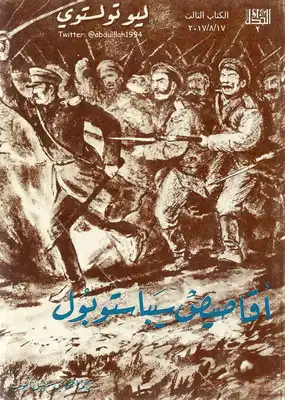
أقاصيص سيباستوبول PDF - Leo Tolstoy
Leo Tolstoy • short stories • 192 Pages
(0)
Author
Leo TolstoyCategory
literatureSection
Number Of Downloads
51
Number Of Reads
218
File Size
4.24 MB
Views
1,633
Quate
Review
Save
Share
Book Description
أقاصيص سيباستوبول – ليو تولستوي
يُعد كتاب «أقاصيص سيباستوبول» للكاتب الروسي العظيم ليو تولستوي واحدًا من أبرز الأعمال الأدبية التي تناولت الحرب بواقعية إنسانية عميقة بعيدًا عن التمجيد التقليدي للبطولات العسكرية. تستند هذه الأقاصيص إلى تجربة تولستوي الشخصية خلال مشاركته في حرب القرم، حيث عاش أجواء الحصار والمعارك داخل مدينة سيباستوبول، ونقل من خلال كتاباته صورة حقيقية للحرب بكل ما تحمله من خوف وألم وفوضى وتناقضات إنسانية.
يضم هذا العمل مجموعة من القصص التي كُتبت بين عامي 1855 و1856، وقد شكّلت نقطة تحول مهمة في مسيرة تولستوي الأدبية، إذ بدأت فيها ملامح أسلوبه الواقعي والفلسفي الذي سيبلغ ذروته لاحقًا في أعماله الكبرى مثل «الحرب والسلام» و«آنا كارنينا». لا يقدّم الكاتب الحرب كاستعراض بطولي أو حدث تاريخي جامد، بل يكشف تأثيرها النفسي والأخلاقي على الجنود والمدنيين، ويضع القارئ أمام تفاصيل الحياة اليومية وسط القصف والخوف والموت. (Goodreads)
أدب الحرب بعيون إنسانية
ما يجعل «أقاصيص سيباستوبول» عملًا خالدًا في الأدب العالمي هو قدرة تولستوي على تصوير الإنسان في لحظات ضعفه وقوته معًا. فالقارئ لا يجد شخصيات مثالية أو أبطالًا خارقين، بل يرى جنودًا مرهقين، وضباطًا تتنازعهم مشاعر الكبرياء والخوف، ومدنيين يحاولون النجاة وسط واقع قاسٍ. هذه الواقعية الصادقة جعلت الكتاب من أهم الأعمال الكلاسيكية في أدب الحرب الروسي.
يعتمد تولستوي على وصف دقيق للمشاهد العسكرية، لكنه في الوقت نفسه يتعمق في الجوانب النفسية والفكرية للشخصيات. وبين أصوات المدافع وخراب المدينة، يطرح أسئلة فلسفية حول معنى الشجاعة، وحقيقة الوطنية، وثمن الحرب على الروح البشرية. لذلك لا يُقرأ هذا الكتاب بوصفه مجرد مجموعة قصصية تاريخية، بل باعتباره تأملًا أدبيًا وإنسانيًا في طبيعة الإنسان أثناء الأزمات الكبرى.
أسلوب ليو تولستوي في أقاصيص سيباستوبول
يتميّز أسلوب ليو تولستوي في هذا العمل بالبساطة العميقة والقدرة الفائقة على خلق مشاهد حيّة تنبض بالتفاصيل. يكتب تولستوي بلغة واقعية مباشرة، لكنه يحمّل كل مشهد بعدًا نفسيًا وفلسفيًا يجعل القارئ يعيش التجربة بكل مشاعرها. كما يبرع في الانتقال بين الوصف الخارجي للأحداث والتحليل الداخلي للشخصيات دون افتعال أو مبالغة.
ومن أبرز عناصر القوة في الكتاب أن الكاتب كان شاهدًا مباشرًا على كثير من الأحداث التي يصفها، مما يمنح النص صدقًا استثنائيًا وإحساسًا قويًا بالواقعية. وقد أشار تولستوي نفسه إلى رغبته في تصوير الحرب «كما هي حقًا»، لا كما تظهر في الخطابات الرسمية أو الروايات البطولية التقليدية. (Goodreads)
لماذا يقرأ القراء هذا الكتاب اليوم؟
لا تزال «أقاصيص سيباستوبول» تحافظ على مكانتها بين القراء المهتمين بالأدب الروسي الكلاسيكي، والروايات التاريخية، وأدب الحرب الواقعي. فالكتاب لا يرتبط فقط بمرحلة تاريخية محددة، بل يناقش مشاعر إنسانية عالمية مثل الخوف، والأمل، والفقد، والتضحية، والبحث عن المعنى وسط الفوضى.
يجد القراء في هذا العمل تجربة أدبية مختلفة عن القصص الحربية المعتادة، لأنه يبتعد عن الإثارة السطحية ويركّز على الإنسان نفسه. كما أن الكتاب يمثل فرصة مثالية للتعرف على البدايات الأدبية لتولستوي وفهم تطور رؤيته الفكرية والإنسانية التي ستنعكس لاحقًا في أعظم رواياته.
هذا الكتاب مناسب لمحبي الأدب الروسي، والقراء المهتمين بالتاريخ الأوروبي، والباحثين عن أعمال أدبية عميقة تجمع بين السرد الواقعي والتحليل النفسي والفلسفي. كما يُعد خيارًا مهمًا للمهتمين بدراسة تطور الرواية الواقعية في القرن التاسع عشر وتأثير التجربة الشخصية في الكتابة الأدبية.
قيمة أدبية وتاريخية خالدة
تكمن أهمية «أقاصيص سيباستوبول» في أنها لا تكتفي بتوثيق أحداث حرب القرم، بل تحوّل التجربة التاريخية إلى عمل أدبي خالد يتجاوز حدود الزمان والمكان. ومن خلال هذا الكتاب، استطاع ليو تولستوي أن يرسّخ مكانته كواحد من أعظم الكتّاب في تاريخ الأدب العالمي، وأن يقدّم نموذجًا للأدب الذي يمزج بين الحقيقة الإنسانية والعمق الفني.
سيجد القارئ في هذه الأقاصيص وصفًا مؤثرًا للحياة تحت الحصار، وتأملات عميقة في معنى الحرب والسلام، وشخصيات مرسومة بعناية تعكس التناقضات المعقدة للطبيعة البشرية. ولهذا يبقى الكتاب تجربة أدبية ثرية لكل من يبحث عن روايات وكتب كلاسيكية تحمل قيمة فكرية وإنسانية حقيقية.
Leo Tolstoy
Leo Tolstoy is one of the most influential writers in world literature, a Russian novelist, moral thinker, and social critic whose work helped define the possibilities of the modern novel. Born into an aristocratic family in Russia, he grew up close to the rural estate life that later became central to his imagination, his ethical concerns, and his understanding of class, labor, family, faith, and personal responsibility. Tolstoy is best known for the monumental novels War and Peace and Anna Karenina, two works that continue to stand among the highest achievements of literary realism. His fiction is celebrated not merely for its scale, but for its extraordinary ability to portray human consciousness, social pressure, moral confusion, and the hidden movement of history through the lives of individuals. In War and Peace, Tolstoy transforms the historical novel into a vast meditation on war, fate, leadership, memory, and ordinary human experience. He portrays the Napoleonic era not as a simple sequence of heroic decisions, but as a complex web of personal choices, accidents, social customs, emotions, and forces beyond the control of any single ruler or general. In Anna Karenina, he offers one of literature’s most penetrating studies of love, marriage, desire, jealousy, social judgment, and spiritual hunger, creating characters whose inner lives feel immediate, contradictory, and painfully human. Tolstoy’s narrative style combines simplicity with depth: he can describe a ballroom, a battlefield, a family quarrel, a harvest, or a moment of private doubt with such precision that each scene becomes a window into moral and psychological truth. His characters are memorable because they are never reduced to symbols; they change, hesitate, deceive themselves, seek forgiveness, suffer, and grow. Beyond his novels, Tolstoy wrote short fiction, essays, autobiographical works, religious reflections, and educational writings that reveal a lifelong struggle to reconcile art, conscience, and everyday life. In his later years, he became increasingly concerned with questions of nonviolence, poverty, property, organized religion, and the ethical meaning of Christianity. His critique of violence and his insistence on moral self-examination influenced readers far beyond Russia and helped shape later discussions of peaceful resistance, social reform, and spiritual simplicity. As an author for book lovers, Tolstoy remains essential because his works speak to both private feeling and public history. He examines the intimate life of families while also asking how nations move toward war, how societies punish those who break their rules, and how individuals can live truthfully in a world built on pride, ambition, and illusion. His influence can be felt in modern realism, psychological fiction, historical narrative, philosophical literature, and moral essays. Readers return to Tolstoy because his books do not offer easy answers; they invite deep attention to life itself. He writes about birth, death, love, work, faith, conflict, and forgiveness with a seriousness that makes ordinary experience feel immense. Leo Tolstoy’s legacy endures because he created literature that is both artistically powerful and ethically demanding, literature that asks every generation to reconsider what it means to live honestly, love responsibly, and search for meaning in a complicated world.
Earn Rewards While Reading!
Every 10 pages you read and spent 30 seconds on every page, earns you 5 reward points! Keep reading to unlock achievements and exclusive benefits.
Read
Rate Now
5 Stars
4 Stars
3 Stars
2 Stars
1 Stars
أقاصيص سيباستوبول Quotes
Top Rated
Latest
Quate
Be the first to leave a quote and earn 10 points
instead of 3
'%20/%3e%3c/svg%3e "إنجيل تولستوي وديانته")
Comments
Be the first to leave a comment and earn 5 points
instead of 3