

The source of the book
This book is published for the public benefit under a Creative Commons license, or with the permission of the author or publisher. If you have any objections to its publication, please contact us.
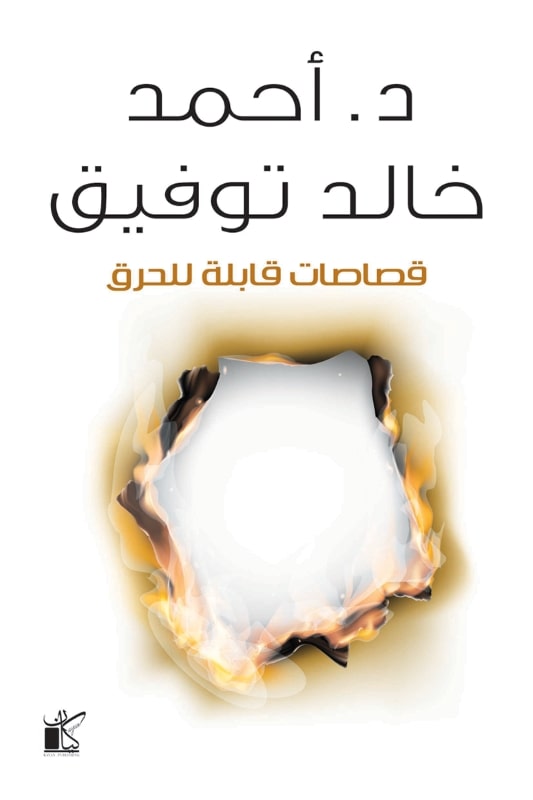
قصاصات قابلة للحرق PDF - Ahmed Khaled Tawfiq
Ahmed Khaled Tawfiq • Drama novels • 17 Pages
(0)
Author
Ahmed Khaled TawfiqCategory
literatureSection
Number Of Downloads
83
Number Of Reads
261
File Size
0.11 MB
Views
2,070
Quate
Review
Save
Share
Book Description
قصاصات قابلة للحرق – أحمد خالد توفيق
قصاصات قابلة للحرق هو كتاب مختلف في عالم أحمد خالد توفيق؛ ليس رواية تقليدية ذات حبكة ممتدة، ولا مجموعة قصصية مكتملة بالمعنى المعتاد، بل مساحة حرة من الأفكار والخواطر واللمحات الساخرة التي تشبه أوراقًا قديمة عثر عليها الكاتب قبل أن يقرر أن بعضها يستحق النجاة من الحرق. في هذا الكتاب يظهر صوت العرّاب قريبًا من القارئ، حاد الملاحظة، ساخرًا من نفسه ومن العالم، وقادرًا على تحويل التفاصيل الصغيرة إلى تأملات تمس الذاكرة، والندم، والحب، والخوف، والكتابة، وتقلبات الإنسان العادي. يُشار إلى الكتاب ضمن الأدب العربي الساخر وخواطر أحمد خالد توفيق، وتورده بعض منصات الكتب الحديثة ضمن إصدارات دار كيان، مع توصيفه كنص يجمع بين الفلسفة المبسطة والسخرية اللاذعة. (دار الألسن)
كتاب من شذرات الأفكار لا من الحكايات المكتملة
يقوم جمال قصاصات قابلة للحرق على طبيعته المتقطعة؛ فهو لا يطلب من القارئ تتبع أحداث متصاعدة أو شخصيات كثيرة، بل يدعوه إلى التجول بين أفكار قصيرة تبدو أحيانًا كتعليق عابر، وأحيانًا كاعتراف شخصي، وأحيانًا كحكمة ساخرة يبتسم لها القارئ ثم يكتشف أنها أصابت شيئًا عميقًا داخله. هذه البنية تجعل الكتاب قريبًا من شكل الخواطر الأدبية أو اليوميات الذهنية، حيث تتحول الجملة المكثفة إلى نافذة على تجربة إنسانية كاملة، ويتحوّل الهامش إلى مادة للقراءة والتأمل.
في هذا النوع من الكتب يبرز أحمد خالد توفيق لا بوصفه حكّاء الرعب والفانتازيا فحسب، بل بوصفه كاتبًا يمتلك قدرة نادرة على التقاط ما هو مألوف ومزعج ومضحك في الوقت نفسه. القارئ الذي يعرفه من أعماله الروائية وسلاسله الشهيرة سيجد هنا جانبًا أكثر عفوية وتأملًا، بينما سيجد القارئ الجديد مدخلًا مناسبًا إلى أسلوبه: لغة سهلة، سخرية ذكية، حس إنساني واضح، ووعي دائم بأن الحياة اليومية مليئة بما يستحق الكتابة حتى لو بدا في البداية غير مهم.
سخرية أحمد خالد توفيق وفلسفته اليومية
من أهم ما يجعل كتاب قصاصات قابلة للحرق قريبًا من القراء هو قدرته على المزج بين السخرية والتأمل دون افتعال. لا تأتي السخرية هنا لمجرد الإضحاك، بل لتخفيف ثقل الأفكار، ولمنح القارئ مسافة آمنة يرى منها تناقضاته الشخصية وتناقضات المجتمع من حوله. يكتب أحمد خالد توفيق عن الضعف الإنساني، عن الخيبة، عن الذكريات، عن الأفكار التي لا تكتمل، وعن ذلك الشعور الغامض بأننا نحتفظ داخلنا بالكثير من الأوراق التي نخجل منها أو نضحك عليها أو نخاف أن يراها الآخرون.
ولهذا يمكن قراءة الكتاب كعمل من الأدب الساخر العربي، لكنه في الوقت نفسه يتجاوز التصنيف الضيق. فبعض القصاصات تحمل نبرة فلسفية مبسطة، وبعضها يلمس منطقة الحنين، وبعضها يتأمل الكتابة ذاتها: لماذا نكتب؟ وما الذي يجعل فكرة صغيرة تستحق أن تتحول إلى نص؟ وهل كل ما نحذفه من حياتنا كان بلا قيمة فعلًا؟ هذه الأسئلة لا تُطرح بأسلوب ثقيل، بل في عبارات قريبة من القارئ، كأن الكاتب يجلس معه في حديث جانبي طويل مليء بالضحك المرير والاعترافات الهادئة.
تجربة قراءة خفيفة الشكل وعميقة الأثر
رغم أن قصاصات قابلة للحرق كتاب يمكن قراءته بسرعة، فإن أثره لا ينتهي بسرعة مماثلة. طبيعة النصوص القصيرة تجعل القارئ قادرًا على التوقف عند كل فكرة، والعودة إلى بعض المقاطع، وقراءة الكتاب على دفعات متفرقة دون أن يفقد خيطه. لهذا يناسب الكتاب من يبحث عن كتاب عربي قصير أو خواطر أدبية ساخرة أو نصوص يمكن قراءتها بين وقت وآخر، لكنه يناسب أيضًا من يحبون الكتب التي تفتح بابًا للتفكير بعد الانتهاء منها.
الكتاب لا يعتمد على الصدمة أو المبالغة، بل على الألفة. كثير من أفكاره تبدو كأنها خرجت من ذهن القارئ نفسه، أو من ورقة قديمة كتبها ثم نسيها في درج مغلق. هذه الألفة هي سر جاذبية أحمد خالد توفيق لدى جمهور واسع؛ فهو لا يتحدث من برج عالٍ، ولا يحاول أن يبدو معقدًا، بل يضع خبرته وقراءاته وحساسيته في لغة قريبة من الناس. لذلك يشعر القارئ أن هذه القصاصات ليست مجرد ملاحظات شخصية للكاتب، بل مرآة صغيرة لأجزاء مبعثرة من الذاكرة الفردية والجماعية.
لمن يناسب كتاب قصاصات قابلة للحرق؟
يناسب قصاصات قابلة للحرق لأحمد خالد توفيق القراء الذين يحبون النصوص المكثفة، والخواطر الذكية، والأدب الذي يجمع بين البساطة والعمق. كما يناسب محبي أسلوب العرّاب الذين يفتشون عن أعماله الأقل ارتباطًا بالرعب والفانتازيا وأكثر قربًا من التأمل الشخصي والسخرية اليومية. وإذا كان القارئ يبحث عن كتاب يقرأه دون التزام طويل بحبكة روائية، فسيجد هنا عملًا مرنًا يمكن فتحه من أي صفحة تقريبًا، والتقاط فكرة أو جملة أو ملاحظة تبقى معه.
كما أن الكتاب مناسب لمن يفضلون كتب أحمد خالد توفيق التي تكشف صوته الداخلي وطريقته في التفكير، لا مجرد قدرته على بناء العوالم والشخصيات. إنه كتاب للقارئ الذي يحب أن يرى الكاتب وهو يفكر بصوت مسموع، يجرّب فكرة، يسخر من فكرة أخرى، يعترف بأن بعض الأوراق لا تصلح لشيء، ثم يثبت للقارئ أن ما يبدو غير مكتمل قد يحمل أحيانًا صدقًا أكبر من النصوص المصقولة بعناية.
لماذا يظل هذا الكتاب قريبًا من القراء؟
تكمن قيمة قصاصات قابلة للحرق في أنه يحتفي بما هو ناقص ومبعثر ومنسي. فالعنوان نفسه يوحي بأوراق كان يمكن التخلص منها، لكن القراءة تكشف أن هذه الأوراق تحمل شيئًا من روح صاحبها وروح قارئها أيضًا. في زمن يميل إلى النصوص السريعة والاقتباسات المختصرة، يبدو هذا الكتاب قريبًا من ذائقة القراء الباحثين عن جمل ذكية ومعانٍ خاطفة، لكنه يقدم أكثر من مجرد عبارات قابلة للاقتباس؛ يقدم مزاجًا كاملًا، ونبرة إنسانية صادقة، وطريقة في النظر إلى الحياة بعين ساخرة لا تخلو من الحنان.
إنه كتاب عن الأفكار التي لا تكتمل لكنها لا تموت، وعن الذكريات التي تضحكنا لأنها كانت ساذجة وتؤلمنا لأنها كانت حقيقية، وعن الإنسان حين يراجع أوراقه القديمة فيكتشف أن ما أراد حرقه قد يكون أقرب الأشياء إليه. لذلك يظل قصاصات قابلة للحرق عملًا مميزًا ضمن مؤلفات أحمد خالد توفيق، وقراءة مناسبة لكل من يريد الاقتراب من عالمه بأسلوب هادئ، ساخر، ومليء بلمحات لا تُنسى.
Ahmed Khaled Tawfiq
Ahmed Khaled Tawfik (1962–2018) is considered one of the most prominent and influential contemporary Arab writers among the younger generation, earning him the titles "Godfather of Arabic Literature" and "Godfather of Horror Literature." This exceptional writer succeeded in reshaping young people's relationship with reading, creating his own unique literary world that blends imagination, horror, fantasy, philosophy, and humanism in a deceptively simple style that resonates with reality and raises profound questions.
Ahmed Khaled Tawfik was born in Tanta and graduated from medical school. Despite his academic and medical career, his true passion lay in literature and writing. He entered the world of publishing with the "Paranormal" series in 1993, which later became one of the most famous Arabic series, achieving unprecedented success among readers. The series' protagonist, Dr. Refaat Ismail, became a cultural icon for an entire generation, thanks to his biting satire and profound human and philosophical insights.
Ahmed Khaled Tawfik didn't limit himself to horror; he expanded his repertoire to include the "Fantasia" and "Safari" series, presenting new worlds that blended suspense and knowledge with an engaging storytelling style that captivated readers from the first page to the last. In fiction, he authored some of the most famous modern Arabic novels, such as "Utopia," which achieved widespread popularity and was translated into several languages, as well as "Al-Sinja," "Like Icarus," and "Shababib," which tackled social and philosophical issues with boldness and depth.
Ahmed Khaled Tawfik was distinguished by his simple and accessible writing style, yet it was imbued with intelligent ideas, social commentary, and dark humor. He consistently portrayed humanity in all its weaknesses, contradictions, and anxieties, which allowed his books to resonate deeply and remain memorable. He was also known for his remarkable humility and close connection with his audience, which contributed to his growing popularity year after year.
His works played a significant role in promoting a culture of reading among young people and helped modernize Arabic literature, bringing it back to the forefront with new styles and accessible, sophisticated language. Ahmed Khaled Tawfik passed away at the age of 55 due to a health crisis, leaving behind a huge legacy that includes hundreds of books, articles, translations and stories, and his influence continues to this day.
Earn Rewards While Reading!
Every 10 pages you read and spent 30 seconds on every page, earns you 5 reward points! Keep reading to unlock achievements and exclusive benefits.
Read
Rate Now
5 Stars
4 Stars
3 Stars
2 Stars
1 Stars
قصاصات قابلة للحرق Quotes
Top Rated
Latest
Quate
Be the first to leave a quote and earn 10 points
instead of 3
'%20/%3e%3c/svg%3e "يوتوبيا")
Comments
Be the first to leave a comment and earn 5 points
instead of 3