

The source of the book
This book is published for the public benefit under a Creative Commons license, or with the permission of the author or publisher. If you have any objections to its publication, please contact us.
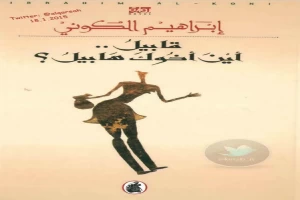
قابيل.. أين أخوك هابيل؟ PDF - Ibrahim Al-Koni
Ibrahim Al-Koni • Literary novels • 402 Pages
(0)
Author
Ibrahim Al-KoniCategory
literatureSection
Number Of Downloads
52
Number Of Reads
67
File Size
4.03 MB
Views
1,003
Quate
Review
Save
Share
Book Description
كتاب قابيل.. أين أخوك هابيل؟ للكاتب إبراهيم الكوني هو رواية فلسفية صدرت بالعربية عن المؤسسة العربية للدراسات والنشر (تختلف سنة الإصدار بحسب الطبعة، وقد ظهرت لأول مرة في العقد الأول من الألفية الثالثة). يواصل الكوني في هذا العمل مشروعه الأدبي الذي يمزج بين الأسطورة والتأمل الفلسفي والرموز الدينية والإنسانية، مستلهمًا قصة قابيل وهابيل بوصفها رمزًا للصراع الأبدي بين الخير والشر، والأخوة والعداء، والحياة والموت.
تدور الفكرة الرئيسة للرواية حول سؤال إنساني عميق: لماذا يكرر الإنسان خطيئة العنف والقتل عبر التاريخ؟ ينطلق الكوني من الحكاية التوراتية والقرآنية لقابيل وهابيل، لكنه لا يعيد سردها بصورة مباشرة، بل يحولها إلى رحلة فكرية تستكشف طبيعة الإنسان، وجذور الطمع والسلطة، وعلاقة الفرد بالحرية والذنب. تتشابك الأحداث مع تأملات فلسفية تجعل الرواية أقرب إلى نص رمزي منها إلى رواية تقليدية تعتمد على الحبكة السريعة.
تتميز الرواية بلغتها الشعرية المكثفة، حيث يعتمد إبراهيم الكوني على الإيحاء أكثر من التصريح، ويمنح الصحراء والرموز والأساطير حضورًا مؤثرًا في بناء المعنى. لا تركز الرواية على التشويق بقدر ما تدعو القارئ إلى التأمل في الأسئلة الوجودية والأخلاقية، وهو ما يجعلها عملًا غنيًا على المستوى الفكري.
يناسب هذا الكتاب القراء الذين يفضلون الأدب الفلسفي والروايات الرمزية، وكذلك المهتمين بالأدب العربي الحديث الذي يتجاوز السرد التقليدي. أما من يبحث عن رواية تعتمد على الأحداث المتلاحقة والإيقاع السريع فقد يجد أسلوبها بطيئًا أو شديد الكثافة.
من أبرز نقاط القوة في الرواية عمقها الفكري، وثراء لغتها الأدبية، وقدرة المؤلف على توظيف التراث الديني والأسطوري في معالجة قضايا إنسانية معاصرة. في المقابل، قد يرى بعض القراء أن كثافة الرموز والتأملات تجعل النص يحتاج إلى قراءة متأنية، وأن الغموض المقصود في بعض المواضع قد يصعّب متابعته.
ما يميز قابيل.. أين أخوك هابيل؟ عن كثير من الروايات العربية المشابهة هو أنها لا تقدم تفسيرًا جاهزًا للصراع الإنساني، بل تترك الباب مفتوحًا أمام القارئ للتأويل والتفكير. كما تندرج ضمن المشروع الأدبي الخاص بإبراهيم الكوني، الذي اشتهر بتوظيف الصحراء والأسطورة والتصوف لبناء عالم روائي فريد.
ثقافيًا، تنتمي الرواية إلى الأدب العربي المعاصر الذي يعيد قراءة الموروث الديني والإنساني بمنظور فلسفي، وتطرح أسئلة تتجاوز حدود الزمان والمكان حول العدالة، والحرية، والمسؤولية الأخلاقية. لذلك تعد قراءة جديرة بالاهتمام لكل من يبحث عن رواية تجمع بين الأدب الرفيع والتأمل الفكري، أكثر من كونها مجرد قصة تُروى. ولم تُعرف هذه الرواية تحديدًا بحصولها على جوائز مستقلة، إلا أن مؤلفها إبراهيم الكوني يُعد من أبرز الروائيين العرب، ونال خلال مسيرته العديد من الجوائز والتكريمات الأدبية الرفيعة.
Ibrahim Al-Koni
A Libyan novelist was awarded the Grand Extraordinary State Prize granted by the Swiss government, the highest award, for his entire literary work translated into German. The French magazine Leer chose him among the fifty novelists from the world whom it considered today to represent "the literature of the twenty-first century", and named them as "Fifty Writers of Tomorrow". He won the Sheikh Zayed Book Award for Literature in its second session 2007-2008. He was born in Bagdames - Libya in 1948. He completed his primary studies in Ghadames, middle school in Sebha, and high school in Moscow. He obtained a BA and then a master's degree in literary and monetary sciences from the Gorky Institute of Literature in Moscow. 1977 He is fluent in nine languages and has written sixty books so far. His literary fiction work is based on a number of The limited elements, on the desert world, with its scarcity, extension, cruelty, and openness to the essence of the universe and existence. Most of his novels revolve around the essence of the relationship that binds man to desert nature, its assets, and its world governed by inevitability and unanswerable fate. He published his literary production in Fezzan newspaper - Al-Bilad - Al-Fajr Al-Jadeed - Al-Hurriya - Al-Midan - Al-Haqiqa - Cultural Week - Western Tripoli - Woman's Magazine - Modern Libya - Arab Struggle - Polish Friendship. Ibrahim al-Koni belongs to the Tuareg (Amazigh) tribe, a tribe that lives in North Africa from Libya to Mauritania and is also found in Niger. Use of the term Russian formalists. Among his publications - The Great Desert Revolutions 1970. - Criticism of the Revolutionary Thought Symposium 1970. - Prayer outside the scope of the Five Times (Libyan stories) 1974. - Notes on the forehead of alienation (articles) 1974. - A dose of blood (stories) 1993. - The Ortm Tree ( Stories) 1986.
Earn Rewards While Reading!
Every 10 pages you read and spent 30 seconds on every page, earns you 5 reward points! Keep reading to unlock achievements and exclusive benefits.
Read
Rate Now
5 Stars
4 Stars
3 Stars
2 Stars
1 Stars
قابيل.. أين أخوك هابيل؟ Quotes
Top Rated
Latest
Quate
Be the first to leave a quote and earn 10 points
instead of 3
'%20/%3e%3c/svg%3e "التبر")
Comments
Be the first to leave a comment and earn 5 points
instead of 3