

The source of the book
This book is published for the public benefit under a Creative Commons license, or with the permission of the author or publisher. If you have any objections to its publication, please contact us.
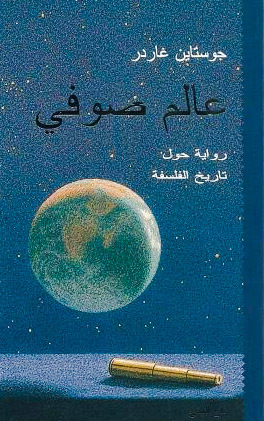
عالم صوفي PDF - Jostein Gaarder
Jostein Gaarder • Historical novels • 522 Pages
(0)
Author
Jostein GaarderCategory
literatureSection
Number Of Downloads
27
Number Of Reads
611
File Size
7.80 MB
Views
2,404
Quate
Review
Save
Share
Book Description
تُعد رواية «عالم صوفي» للكاتب النرويجي جوستاين غاردر واحدة من أشهر الروايات التي مزجت بين السرد الأدبي والمدخل المبسط إلى تاريخ الفلسفة. صدرت الرواية أول مرة بالنرويجية بعنوان «Sofies verden» عام 1991 عن دار Aschehoug في أوسلو، ثم عُرفت عالميًا عبر ترجماتها المتعددة، ومنها الترجمة الإنجليزية التي ظهرت عام 1994 بعنوان «Sophie's World»(و ينتمي الكتاب إلى الرواية الفلسفية، لكنه لا يقدم الفلسفة في صورة محاضرات جافة، بل يجعلها جزءًا من حياة فتاة مراهقة تكتشف أن الأسئلة الكبرى ليست بعيدة عن تفاصيل الحياة اليومية.
تبدأ رواية «عالم صوفي» مع صوفي أموندسن، فتاة في الرابعة عشرة من عمرها تعيش في النرويج حياة عادية، إلى أن تجد في صندوق بريدها رسائل غامضة تحمل سؤالين بسيطين وصادمين: «من أنت؟» و«من أين جاء العالم؟». من هذه البداية، تدخل صوفي عالمًا جديدًا من التفكير والدهشة، وتبدأ في تلقي دروس في الفلسفة من شخص مجهول، قبل أن يظهر اسم أستاذها الفلسفي ألبرتو نوكس. عبر هذه الرسائل والدروس، تتعرف صوفي إلى محطات واسعة من تاريخ الفكر الغربي، من فلاسفة اليونان الأوائل وسقراط وأفلاطون وأرسطو، وصولًا إلى عصور لاحقة تضم ديكارت وسبينوزا ولوك وهيوم وكانط وهيغل وكيركغارد وماركس وداروين وفرويد وسارتر.
لا تقوم حبكة «عالم صوفي» على التعليم وحده، بل على لغز يتوسع تدريجيًا. فبينما تتعلم صوفي كيف طرح البشر أسئلتهم عن الوجود والمعرفة والأخلاق والروح والطبيعة، تبدأ في تلقي بطاقات بريدية موجهة إلى فتاة أخرى تُدعى هيلده مولر كناغ. هذه البطاقات تأتي من والد هيلده، ألبرت كناغ، وهو ضابط يعمل بعيدًا عن ابنته. في البداية تبدو الرسائل حادثة غريبة داخل حياة صوفي، لكنها تصبح مفتاحًا لفهم البنية العميقة للرواية.
تتميز الرواية بأن جوستاين غاردر يجعل القارئ يتعلم مع صوفي خطوة بخطوة. فكل درس فلسفي لا يظهر منفصلًا عن الحبكة، بل يدفعها إلى إعادة النظر في نفسها والعالم المحيط بها. حين تتعرف صوفي إلى أفكار أفلاطون عن عالم المثل، أو إلى شك ديكارت، أو إلى نقد كانط للعقل، لا تبقى هذه الأفكار مجرد أسماء في كتاب دراسي، بل تتحول إلى أدوات لفهم الحرية والهوية والواقع. لذلك نجحت «عالم صوفي» في أن تكون رواية ممتعة وكتابًا تمهيديًا في الفلسفة في الوقت نفسه، وهو ما جعلها مناسبة للقراء الشباب والكبار على حد سواء.
ومع تقدم الأحداث، تكتشف صوفي وألبرتو أن حياتهما ليست كما تبدو. فالعالم الذي يعيشان فيه مرتبط بكتاب يكتبه ألبرت كناغ هدية لابنته هيلده في عيد ميلادها. هنا تنتقل الرواية إلى مستوى ميتاسردي، حيث يصبح السؤال الفلسفي عن الحرية أكثر حدة: هل صوفي شخصية حرة حقًا، أم أنها محكومة بإرادة الكاتب داخل النص؟ وهل يستطيع أبطال القصة التمرد على من صنعهم؟ هذا التحول يمنح الرواية عمقًا إضافيًا، لأنها لا تكتفي بسرد تاريخ الفلسفة، بل تجعل القارئ يختبر أسئلتها داخل بناء الرواية نفسه.
في الجزء الأخير من «عالم صوفي»، يحاول ألبرتو وصوفي الإفلات من سيطرة ألبرت كناغ، بينما تقرأ هيلده الكتاب وتدرك أن صوفي ليست مجرد شخصية عابرة بالنسبة إليها. يتداخل العالم الواقعي داخل الرواية مع العالم المتخيل، فيصبح القارئ أمام لعبة فكرية عن الخلق والخيال والوعي. النهاية لا تقدم إجابات نهائية بقدر ما تترك أثر الأسئلة مفتوحًا، وهذا ما ينسجم مع روح الرواية: الفلسفة ليست مجموعة حلول جاهزة، بل طريقة في النظر والدهشة والتساؤل.
تقدم رواية «عالم صوفي» لجوستاين غاردر تجربة قراءة تجمع بين التشويق والمعرفة، وتشرح تاريخ الفلسفة بلغة قريبة من القارئ دون أن تفقد الأسئلة الكبرى معناها. إنها رواية عن فتاة تبحث عن ذاتها، وعن قارئ يُدعى إلى طرح الأسئلة نفسها: من نحن؟ ما العالم؟ وكيف نفهم وجودنا داخله؟
Jostein Gaarder
Jostein Gaarder is a Norwegian author, intellectual, and former teacher whose writing has made philosophy, wonder, and moral reflection accessible to readers across generations. Born in Oslo in 1952, he grew up in an environment shaped by education and literature, and his later studies in language, religion, and philosophy helped form the distinctive voice that defines his fiction. Before gaining international recognition as a novelist, Gaarder worked as a teacher, a background that is deeply visible in his books: he writes not as someone simplifying ideas from above, but as a storyteller inviting readers into the act of questioning. His most famous work, «Sofies verden», transformed a history of philosophy into a compelling narrative of discovery, mystery, and intellectual awakening. The novel’s success rests on a rare balance: it introduces major philosophical traditions while preserving the suspense and emotional movement of fiction. Rather than presenting ideas as abstract lessons, Gaarder dramatizes them through letters, puzzles, conversations, and a young protagonist’s gradual realization that reality is more layered than it first appears. This method has become one of his literary signatures. Across works such as «Kabalmysteriet», «I et speil, i en gåte», and «Appelsinpiken», he repeatedly returns to the power of childhood curiosity, the fragility of life, and the human need to search for meaning. His characters often stand at thresholds: between childhood and adulthood, belief and doubt, life and death, the visible world and the invisible questions behind it. Gaarder’s prose is clear and approachable, yet it carries philosophical density. He is especially skilled at building stories within stories, using metafictional structures and symbolic details to remind readers that narratives shape how people understand themselves. His books often invite the reader to become a participant rather than a passive observer; the act of reading becomes an act of thinking. This quality explains why his work appeals to both young adult readers and adults who are drawn to reflective fiction. Gaarder does not write philosophy as an academic discipline locked inside institutions; he presents it as a living practice rooted in astonishment. The recurring themes of time, memory, faith, mortality, love, and responsibility give his novels emotional warmth, while his intellectual range gives them lasting educational value. Beyond literature, Gaarder is also associated with environmental concern and ethical engagement, and this awareness appears in his writing as a broader concern for the planet and for future generations. His work suggests that philosophical curiosity should lead not only to self-understanding but also to responsibility toward other people and the natural world. In the landscape of modern Norwegian literature, Gaarder occupies a highly recognizable place: he is a novelist of ideas who turned difficult questions into memorable stories without losing their seriousness. For book websites, library profiles, and author pages, Jostein Gaarder can be described as a writer who unites narrative imagination with intellectual clarity, making him one of the most widely read Norwegian authors of contemporary times. His legacy is inseparable from his ability to show that the deepest questions are not reserved for specialists; they belong to every reader willing to pause, wonder, and ask what it means to be alive.
Earn Rewards While Reading!
Every 10 pages you read and spent 30 seconds on every page, earns you 5 reward points! Keep reading to unlock achievements and exclusive benefits.
Read
Rate Now
5 Stars
4 Stars
3 Stars
2 Stars
1 Stars
عالم صوفي Quotes
Top Rated
Latest
Quate
Be the first to leave a quote and earn 10 points
instead of 3
'%20/%3e%3c/svg%3e "مرحباً.. هل من أحد هناك")
Comments
Be the first to leave a comment and earn 5 points
instead of 3