

The source of the book
This book is published for the public benefit under a Creative Commons license, or with the permission of the author or publisher. If you have any objections to its publication, please contact us.
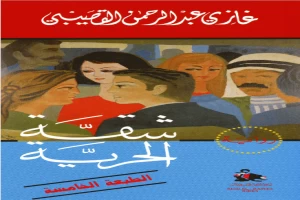
شقة الحرية PDF - Ghazi Algosaibi
Ghazi Algosaibi • Literary novels • 471 Pages
(0)
Author
Ghazi AlgosaibiCategory
literatureSection
Number Of Downloads
77
Number Of Reads
86
File Size
11.73 MB
Views
1,591
Quate
Review
Save
Share
Book Description
رواية "شقة الحرية" هي العمل الروائي الأول للطبيب والدبلوماسي والأديب السعودي غازي القصيبي، وقد صدرت لأول مرة عام 1994 عن دار الساقي في لندن. تُعد هذه الرواية من أبرز الأعمال السردية في الأدب السعودي الحديث، لأنها تمثل تحولًا مهمًا في الكتابة الروائية داخل المملكة، إذ خرجت من الطابع التقليدي إلى فضاء أوسع يتناول أسئلة الهوية والحرية والتكوين الفكري لجيل كامل عاش تحولات سياسية وثقافية كبرى في منتصف القرن العشرين.
تدور أحداث الرواية في القاهرة خلال فترة الخمسينيات والستينيات، وهي مرحلة كانت فيها المدينة مركزًا ثقافيًا وسياسيًا للعالم العربي، حيث تتقاطع فيها الأفكار القومية واليسارية والدينية، وتتشكل فيها وعي الشباب العربي القادم من مختلف البلدان. تتابع الرواية حياة مجموعة من الطلاب السعوديين الذين يسكنون في شقة واحدة أثناء دراستهم الجامعية، ومن خلال هذه الشقة الضيقة مكانيًا، تنفتح الرواية على عالم واسع من النقاشات الفكرية والتجارب العاطفية والصراعات الداخلية. هؤلاء الشباب يمثلون نماذج مختلفة في التفكير والطموح؛ بعضهم يبحث عن الحرية الفردية، وبعضهم ينجذب إلى التيارات السياسية السائدة آنذاك، بينما يحاول آخرون الحفاظ على هويتهم المحافظة وسط عالم متغير.
الفكرة الأساسية للرواية تدور حول مفهوم “الحرية” بوصفها تجربة معقدة وليست شعارًا بسيطًا. الحرية هنا ليست فقط سياسية أو اجتماعية، بل أيضًا نفسية وفكرية، إذ يعيش الأبطال صراعًا بين ما تربوا عليه في بيئاتهم الأصلية وبين ما يواجهونه في القاهرة من انفتاح فكري وثقافي. كما تعالج الرواية فكرة الاغتراب، ليس بمعناه الجغرافي فقط، بل اغتراب الإنسان عن ذاته عندما تتعدد أمامه الخيارات وتتشابك القيم. من خلال هذه التجربة، يرسم القصيبي صورة دقيقة لجيل عربي عاش بين تقاليد صارمة وأحلام كبيرة بالتغيير.
من حيث الأسلوب، تمتاز الرواية بسرد واقعي بسيط في ظاهره، لكنه غني بالتفاصيل النفسية والحوارية. يعتمد الكاتب على بناء الشخصيات من خلال الحوار والمواقف اليومية أكثر من الاعتماد على الوصف المباشر، ما يجعل الشخصيات تبدو حية وقريبة من القارئ. كما ينجح في تصوير القاهرة كفضاء نابض بالحياة، وليس مجرد خلفية للأحداث، بل عنصر فاعل في تشكيل وعي الشخصيات وتوجيه مساراتهم.
تُعد "شقة الحرية" مناسبة للقراء المهتمين بالأدب العربي الحديث، وخاصة أولئك الذين يفضلون الروايات التي تمزج بين السرد الأدبي والتحليل الاجتماعي والفكري. كما أنها مفيدة للقراء الشباب لأنها تقدم صورة عن مرحلة تاريخية مهمة في تشكيل الوعي العربي المعاصر. ومع ذلك، قد يجد بعض القراء أن الرواية تميل أحيانًا إلى الطرح الفكري المباشر على حساب العمق الفني في بعض المقاطع، أو أن بعض الشخصيات تُقدَّم بوظائف فكرية أكثر من كونها شخصيات روائية متكاملة.
من نقاط القوة في الرواية قدرتها على توثيق مرحلة تاريخية حساسة من التاريخ العربي الحديث، وكذلك جرأتها في مناقشة قضايا مثل الحرية الشخصية، والتدين، والانتماء السياسي، والصراع بين التقليد والحداثة. كما تتميز بصدق التجربة، إذ تستند إلى خلفية الكاتب نفسه الذي عاش جزءًا من تلك المرحلة، ما يمنح النص طابعًا شبه سيري في بعض جوانبه.
أما ما يميزها عن أعمال مشابهة فهو أنها لا تكتفي بسرد قصة طلاب في الغربة، بل تجعل من الشقة رمزًا مصغرًا للعالم العربي في لحظة تحول. هذه البنية الرمزية تجعل الرواية أقرب إلى دراسة اجتماعية أدبية بقدر ما هي عمل روائي. ثقافيًا، تأتي الرواية في سياق مرحلة ازدهار الرواية السعودية الحديثة، حيث بدأت الأصوات الأدبية في المملكة تخرج من المحلي إلى العربي الأوسع، متأثرة بالتحولات السياسية والفكرية في المنطقة.
لم تحصل الرواية على جوائز أدبية كبرى معروفة، لكنها اكتسبت مكانة نقدية واسعة وأصبحت من الأعمال المرجعية في دراسة تطور السرد السعودي. وبشكل عام، يمكن القول إن "شقة الحرية" عمل يستحق القراءة لكل من يهتم بفهم تشكل الوعي العربي الحديث من خلال الأدب، خاصة حين يُنظر إليه بوصفه شهادة فكرية على زمن كامل بقدر ما هو رواية عن مجموعة من الشباب.
Ghazi Algosaibi
Ghazi Al Gosaibi is widely recognized as one of the most influential Saudi Arabian literary figures, diplomats, and statesmen of the modern era. Ghazi Al Gosaibi stands out not only as a prolific novelist and poet but also as a highly respected public intellectual whose career spanned government service, diplomacy, and cultural commentary. His unique ability to move between literature and politics made him a rare figure in the Arab world, where he successfully combined artistic expression with high-level administrative responsibilities, shaping both cultural discourse and public policy in Saudi Arabia for several decades.
Ghazi Al Gosaibi was born in Al-Ahsa, Saudi Arabia, and pursued his early education in his home country before continuing his higher studies abroad. He earned academic degrees in law and international relations, including studies in the United States and the United Kingdom, which significantly influenced his worldview and writing style. Ghazi Al Gosaibi later completed a PhD in international relations from the University of Southern California, an academic achievement that reinforced his analytical approach to politics and society. This strong educational background allowed him to navigate complex governmental roles while maintaining a distinctive literary voice that resonated across the Arab world.
In his professional career, Ghazi Al Gosaibi held several key ministerial and diplomatic positions in the Saudi government. He served as Minister of Industry and Electricity, Minister of Health, and Minister of Water and Electricity at different stages of his career. He also served as Saudi Arabia’s ambassador to Bahrain and later to the United Kingdom and Ireland. These roles placed him at the center of regional and international diplomacy during critical periods of development and change. Despite the demands of his governmental responsibilities, Ghazi Al Gosaibi continued to write extensively, producing poetry, essays, and novels that reflected his deep concern for human dignity, freedom, governance, and social justice.
As a literary figure, Ghazi Al Gosaibi is best known for his bold and often controversial writings that explore themes such as freedom, identity, political reform, love, exile, and the struggles of modern Arab societies. His novels often blend autobiographical elements with fictional storytelling, creating a powerful narrative style that bridges realism and philosophical reflection. Among his most notable works are novels such as Shiqaq al-Huriyyah (The Apartment of Freedom), Awdat al-Tayr ila al-Bahr (The Return of the Bird to the Sea), and Abu Shalakh al-Barma'i. These works are celebrated for their emotional depth, social critique, and stylistic elegance, and they have been widely studied in Arabic literature courses across universities.
Ghazi Al Gosaibi was also a gifted poet whose poetry collections reflect a deep sensitivity to human emotion and existential questions. His poetry often expresses themes of longing, patriotism, loss, and the search for meaning in a rapidly changing world. Unlike many traditional poets, he adopted a modern tone that blended classical Arabic poetic forms with contemporary concerns, making his work accessible to both academic and general audiences.
Beyond literature and politics, Ghazi Al Gosaibi was known for his strong personality and outspoken views. He often addressed sensitive social and political issues in his writings, which sometimes led to controversy, yet also earned him widespread respect as a courageous intellectual voice. His ability to maintain integrity in both his governmental roles and literary pursuits contributed to his enduring legacy.
Ghazi Al Gosaibi passed away in 2010, but his influence continues to be felt across the Arab cultural and political landscape. He remains a symbol of the modern Arab intellectual who bridges the gap between governance and artistic expression. His works continue to inspire new generations of writers, thinkers, and readers who seek to understand the complexities of Arab identity and modernity.
Earn Rewards While Reading!
Every 10 pages you read and spent 30 seconds on every page, earns you 5 reward points! Keep reading to unlock achievements and exclusive benefits.
Read
Rate Now
5 Stars
4 Stars
3 Stars
2 Stars
1 Stars
شقة الحرية Quotes
Top Rated
Latest
Quate
Be the first to leave a quote and earn 10 points
instead of 3
'%20/%3e%3c/svg%3e "حياة في الإدارة")
Comments
Be the first to leave a comment and earn 5 points
instead of 3