

The source of the book
This book is published for the public benefit under a Creative Commons license, or with the permission of the author or publisher. If you have any objections to its publication, please contact us.
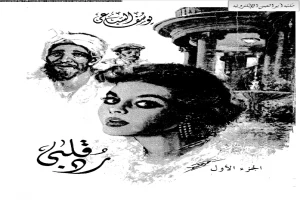
رد قلبى الجزء الأول PDF - Youssef El Sebaei
Youssef El Sebaei • Drama novels • 392 Pages
(0)
Author
Youssef El SebaeiCategory
literatureSection
Number Of Downloads
37
Number Of Reads
61
File Size
10.26 MB
Views
991
Quate
Review
Save
Share
Book Description
يُعد كتاب «رد قلبي – الجزء الأول» للكاتب المصري يوسف السباعي من أشهر الأعمال الأدبية العربية التي تناولت التحولات الاجتماعية والسياسية في مصر خلال النصف الأول من القرن العشرين. صدرت الرواية لأول مرة عام 1954 عن دار إحياء الكتب العربية، وأصبحت لاحقًا واحدة من أبرز روايات يوسف السباعي وأكثرها انتشارًا، خاصة بعد تحويلها إلى فيلم سينمائي شهير. يجمع الكاتب في هذا العمل بين القصة الرومانسية والبعد الاجتماعي، مقدمًا حكاية تكشف الفوارق الطبقية والتغيرات التي شهدها المجتمع المصري قبل قيام ثورة يوليو 1952.
تدور الفكرة الرئيسية للرواية حول الصراع بين الحب والواقع الاجتماعي، حيث يتناول يوسف السباعي قصة شاب ينتمي إلى أسرة بسيطة يقع في حب فتاة من أسرة أرستقراطية، ليجد نفسه في مواجهة تقاليد المجتمع والتمييز الطبقي الذي يجعل تحقيق هذا الحب أمرًا شديد الصعوبة. ومن خلال هذه العلاقة، لا يكتفي الكاتب بسرد قصة عاطفية، بل يستخدمها لتسليط الضوء على التفاوت الاجتماعي والامتيازات التي كانت تتمتع بها الطبقة الحاكمة، مقابل معاناة الطبقات الشعبية التي كانت تطمح إلى حياة أكثر عدلًا ومساواة.
يعرض الجزء الأول مراحل تكوّن الشخصيات ونشأتها، ويُعرّف القارئ بالخلفيات الاجتماعية لكل منها، كما يوضح الظروف التي أدت إلى نشوء العلاقة العاطفية بين البطل والبطلة. ومع تطور الأحداث، تتزايد العقبات الناتجة عن اختلاف المكانة الاجتماعية، فتظهر الضغوط الأسرية والقيود المجتمعية التي تهدد مستقبل هذه العلاقة. وفي الوقت نفسه، يرسم الكاتب صورة واسعة للمجتمع المصري في تلك الفترة، حيث تتداخل الأحداث الشخصية مع المتغيرات السياسية والاجتماعية التي كانت تمهد لمرحلة تاريخية جديدة.
تتميز الرواية بأسلوب يوسف السباعي السلس واللغة العربية الواضحة التي تجمع بين البساطة والبلاغة، مما يجعلها مناسبة لشريحة واسعة من القراء. وقد نجح الكاتب في رسم شخصيات قريبة من الواقع، بحيث تبدو مشاعرها وصراعاتها الإنسانية صادقة ومؤثرة. كما يبرع في المزج بين الوصف والحوار، الأمر الذي يمنح الرواية إيقاعًا متوازنًا ويحافظ على اهتمام القارئ حتى نهاية الجزء الأول.
يناسب كتاب «رد قلبي – الجزء الأول» محبي الروايات الاجتماعية والرومانسية، وكذلك القراء المهتمين بالأدب المصري الكلاسيكي وتاريخ المجتمع المصري في القرن العشرين. كما يُعد خيارًا جيدًا للطلاب والباحثين الراغبين في التعرف إلى الأعمال التي عكست التحولات الفكرية والسياسية في مصر من خلال الأدب، دون أن تتحول الرواية إلى عمل سياسي مباشر.
من أبرز نقاط قوة الرواية قدرتها على الجمع بين قصة إنسانية مؤثرة وتحليل اجتماعي عميق، إضافة إلى براعة الكاتب في تصوير البيئة المصرية وشخصياتها. كما تتميز بسهولة القراءة وتسلسل الأحداث بصورة طبيعية. وفي المقابل، قد يرى بعض القراء المعاصرين أن وتيرة السرد في بعض الفصول أبطأ من الروايات الحديثة، وأن بعض الشخصيات تميل إلى المثالية بما يتوافق مع أسلوب الكتابة السائد في خمسينيات القرن الماضي.
ما يميز «رد قلبي – الجزء الأول» عن كثير من الروايات العربية المشابهة أنه لا يقدم قصة حب معزولة عن الواقع، بل يجعلها مرآة للتغيرات الاجتماعية والسياسية التي عاشتها مصر. ولذلك اكتسبت الرواية مكانة خاصة في الأدب العربي، وظلت حاضرة في ذاكرة القراء عبر الأجيال، كما ساهم اقتباسها سينمائيًا في زيادة انتشارها وتعريف جمهور أوسع بها.
تُعد الرواية جديرة بالقراءة لكل من يرغب في اكتشاف أعمال يوسف السباعي أو التعرف إلى الأدب المصري الذي وثّق مرحلة تاريخية مهمة بأسلوب روائي جذاب. فهي تقدم تجربة تجمع بين المتعة الأدبية والتأمل في قضايا العدالة الاجتماعية والطبقية، مع شخصيات وأحداث ما زالت قادرة على إثارة اهتمام القارئ حتى اليوم.
ومن الناحية الثقافية، تعكس «رد قلبي» المناخ الفكري والاجتماعي الذي سبق ثورة يوليو 1952، وتُعد من الروايات التي ناقشت قضايا المساواة والحراك الاجتماعي بصورة أدبية مؤثرة. ورغم أن الرواية نفسها لم تُعرف بحصولها على جائزة أدبية كبرى، فإنها تُعد من أشهر أعمال يوسف السباعي وأكثرها تأثيرًا، كما رسخت مكانتها في تاريخ الأدب العربي الحديث بفضل انتشارها الواسع واستمرار الاهتمام بها على مدى عقود.
Youssef El Sebaei
Yusuf El-Sebai (1917–1978) was one of Egypt’s most influential novelists, journalists, and public intellectuals. He is widely regarded as one of the pioneers of modern Arabic romantic fiction, and his literary works continue to be appreciated across the Arab world. Born in Cairo, Egypt, El-Sebai grew up in an environment that encouraged learning and literature. His father was a scholar and writer, which inspired Yusuf to develop a passion for reading and storytelling from an early age. Although he later pursued a military career, his love for writing never faded. He successfully balanced his responsibilities as an army officer with his remarkable achievements as a novelist, becoming one of the few Egyptian writers who excelled in both fields.
Throughout his literary career, Yusuf El-Sebai wrote numerous novels, short stories, and articles that explored themes of love, patriotism, sacrifice, morality, and social justice. His writing style was characterized by emotional depth, clear language, and compelling storytelling. He had a unique ability to portray the inner emotions of his characters while addressing important social issues affecting Egyptian society. His novels often reflected the hopes, struggles, and dreams of ordinary people, making his works relatable to readers from different backgrounds.
Many of El-Sebai’s novels became classics of Arabic literature and were later adapted into successful Egyptian films and television series. Among his best-known works are My Heart Is Not in My Pocket, Between the Ruins, The Water Carrier Is Dead, and The Age of Love. These stories combined romance with realistic depictions of life, allowing readers to connect emotionally with the characters while also reflecting on broader moral and social questions. His ability to blend romance with meaningful social commentary earned him widespread admiration and established him as one of Egypt’s most beloved authors.
In addition to his literary accomplishments, Yusuf El-Sebai played a significant role in Egypt’s cultural and journalistic life. He served as the editor of several influential magazines and newspapers, where he encouraged young writers and promoted Arabic literature. His dedication to culture and education eventually led to his appointment as Egypt’s Minister of Culture. In this role, he worked to strengthen the country’s artistic and literary institutions, support cultural exchange, and preserve Egypt’s rich cultural heritage. His efforts contributed to expanding opportunities for writers, artists, and intellectuals throughout the country.
Yusuf El-Sebai also believed that literature should serve society by promoting values such as compassion, tolerance, and national unity. Many of his writings emphasized the importance of understanding others, overcoming personal hardships, and working toward a better future. His optimistic outlook and humanistic perspective made his books popular among readers of different generations. Even today, students and literature enthusiasts continue to study his works because they combine engaging narratives with timeless lessons about life and human relationships.
Beyond literature, El-Sebai was respected for his service in the Egyptian military, eventually reaching the rank of brigadier. His experiences in the armed forces influenced some of his writings, particularly those dealing with patriotism and responsibility. Despite his demanding military career, he remained deeply committed to the literary world and proved that dedication and creativity can coexist with public service.
The life of Yusuf El-Sebai came to a tragic end in 1978 when he was assassinated while attending an international cultural conference in Cyprus. His death shocked Egypt and the Arab world, as he was considered one of the country’s leading cultural figures. Although his life was cut short, his literary legacy has endured. His novels continue to be published, translated, and adapted for modern audiences, ensuring that new generations discover his remarkable contributions to Arabic literature.
Today, Yusuf El-Sebai is remembered not only as a gifted novelist but also as a visionary cultural leader who believed in the power of literature to inspire, educate, and unite people. His works remain an important part of Egypt’s literary heritage, reflecting the emotions, values, and aspirations of Egyptian society during the twentieth century. Through his unforgettable stories, memorable characters, and enduring message of hope and humanity, Yusuf El-Sebai continues to influence readers and writers across the Arab world and beyond.
Earn Rewards While Reading!
Every 10 pages you read and spent 30 seconds on every page, earns you 5 reward points! Keep reading to unlock achievements and exclusive benefits.
Read
Rate Now
5 Stars
4 Stars
3 Stars
2 Stars
1 Stars
رد قلبى الجزء الأول Quotes
Top Rated
Latest
Quate
Be the first to leave a quote and earn 10 points
instead of 3
'%20/%3e%3c/svg%3e "أرض النفاق")
Comments
Be the first to leave a comment and earn 5 points
instead of 3