

The source of the book
This book is published for the public benefit under a Creative Commons license, or with the permission of the author or publisher. If you have any objections to its publication, please contact us.
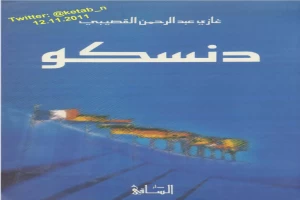
دنسكو PDF - Ghazi Algosaibi
Ghazi Algosaibi • Literary novels • 176 Pages
(0)
Author
Ghazi AlgosaibiCategory
literatureSection
Number Of Downloads
56
Number Of Reads
78
File Size
1.77 MB
Views
1,175
Quate
Review
Save
Share
Book Description
كتاب "دنسكو" للكاتب السعودي غازي القصيبي يُعد من الأعمال الروائية التي تعكس أسلوبه الساخر في نقد البيروقراطية والأنظمة الإدارية، مع توظيف الأدب كأداة لطرح أسئلة عميقة حول السلطة والعمل المؤسسي والإنسان داخل منظومة اقتصادية متشابكة. ينتمي غازي القصيبي إلى جيل من الكتّاب العرب الذين جمعوا بين التجربة الإدارية والدبلوماسية من جهة، والكتابة الأدبية من جهة أخرى، ما منح أعماله طابعًا واقعيًا ممزوجًا بالسخرية والتحليل الاجتماعي.
رواية "دنسكو" تدور حول عالم الشركات والمؤسسات الحديثة، حيث يتم تقديم نموذج لشركة كبيرة ذات طابع دولي تعمل في بيئة يغلب عليها التعقيد الإداري وتضارب المصالح. من خلال هذا الإطار، يناقش الكاتب كيفية تحول الإنسان داخل هذه المنظومات إلى رقم أو وظيفة أكثر من كونه كائنًا مستقلًا له طموحات وقيم. لا تعتمد الرواية على سرد تقليدي بسيط بقدر ما تقوم على بناء نقدي ساخر يكشف تناقضات الواقع الإداري، خاصة في العالم العربي الذي شهد خلال العقود الأخيرة توسعًا في البيروقراطية والمؤسسات الضخمة.
الفكرة الرئيسية في الكتاب تتمحور حول نقد ثقافة العمل المؤسسي حين تتحول إلى نظام جامد يفتقر إلى الروح الإنسانية. يسلط القصيبي الضوء على صراع الفرد داخل المؤسسة، بين الرغبة في تحقيق الذات والالتزام بالقوانين الداخلية التي قد تكون أحيانًا غير عادلة أو غير منطقية. كما يناقش تأثير السلطة الإدارية على القرارات اليومية، وكيف يمكن للبيروقراطية أن تخلق بيئة تُهمش الكفاءة لصالح العلاقات أو الإجراءات الشكلية.
أسلوب غازي القصيبي في "دنسكو" يتميز بالسخرية الذكية واللغة السلسة التي تجمع بين البساطة والعمق. وهو لا يعتمد على الوصف المطوّل بقدر ما يستخدم الحوار وتتابع المواقف لإيصال أفكاره، مما يجعل الرواية قريبة من القارئ رغم موضوعها الإداري المعقد. هذا الأسلوب يميز القصيبي عن العديد من الروائيين الذين تناولوا موضوعات مشابهة بطريقة أكاديمية أو تقريرية، إذ ينجح في تحويل الموضوع الجاف إلى سرد ممتع يحمل بعدًا إنسانيًا واضحًا.
تُناسب الرواية القراء المهتمين بالأدب الاجتماعي والنقد المؤسسي، وكذلك من لديهم اهتمام بعالم الشركات والإدارة والاقتصاد النفطي، حيث تعكس الرواية جزءًا من التحولات التي شهدتها المنطقة العربية مع صعود الاقتصاد الحديث. كما أنها مفيدة للقراء الذين يبحثون عن أعمال أدبية تجمع بين المتعة الفكرية والتحليل النقدي للواقع.
من نقاط القوة في "دنسكو" قدرتها على تحويل موضوع إداري معقد إلى مادة أدبية مشوقة، إضافة إلى العمق الفكري في معالجة فكرة السلطة داخل المؤسسات. كما أن استخدام السخرية يخفف من حدة النقد المباشر، ويجعل الرسائل أكثر تأثيرًا. أما من نقاط الضعف فقد يرى بعض القراء أن الطابع الإداري والرمزي في الرواية قد يجعلها أقل جذبًا لمن يفضلون السرد القصصي التقليدي أو الأحداث السريعة، إذ تميل أحيانًا إلى التركيز على الفكرة أكثر من الحبكة.
ما يميز "دنسكو" عن أعمال مشابهة هو ارتباطها الوثيق بخبرة الكاتب العملية في العمل الحكومي والدبلوماسي، مما يمنح النص مصداقية عالية في تصويره للعلاقات داخل المؤسسات. كما أن الجمع بين السخرية والتحليل الاجتماعي يجعلها أقرب إلى النقد الأدبي الواقعي منه إلى الرواية الترفيهية البحتة.
صدرت الرواية في سياق أدبي عربي كان يشهد تطورًا في معالجة موضوعات الحداثة والتحولات الاقتصادية، حيث بدأ الأدب العربي في تلك الفترة بالاقتراب أكثر من قضايا الإدارة والاقتصاد والشركات الكبرى، بدل الاقتصار على الموضوعات التقليدية مثل الريف أو السياسة المباشرة. وقد أسهمت أعمال القصيبي في فتح هذا المجال أمام كتاب آخرين لاحقًا.
في الختام، يمكن القول إن "دنسكو" عمل جدير بالقراءة لكل من يهتم بفهم العلاقة بين الإنسان والمؤسسة، وكيف يمكن للأنظمة الحديثة أن تؤثر على القيم الفردية. الرواية ليست مجرد قصة، بل هي رؤية نقدية ساخرة لعالم إداري معقد، تجعل القارئ يعيد التفكير في طبيعة العمل والسلطة والمعنى الإنساني داخل المؤسسات الحديثة.
Ghazi Algosaibi
Ghazi Al Gosaibi is widely recognized as one of the most influential Saudi Arabian literary figures, diplomats, and statesmen of the modern era. Ghazi Al Gosaibi stands out not only as a prolific novelist and poet but also as a highly respected public intellectual whose career spanned government service, diplomacy, and cultural commentary. His unique ability to move between literature and politics made him a rare figure in the Arab world, where he successfully combined artistic expression with high-level administrative responsibilities, shaping both cultural discourse and public policy in Saudi Arabia for several decades.
Ghazi Al Gosaibi was born in Al-Ahsa, Saudi Arabia, and pursued his early education in his home country before continuing his higher studies abroad. He earned academic degrees in law and international relations, including studies in the United States and the United Kingdom, which significantly influenced his worldview and writing style. Ghazi Al Gosaibi later completed a PhD in international relations from the University of Southern California, an academic achievement that reinforced his analytical approach to politics and society. This strong educational background allowed him to navigate complex governmental roles while maintaining a distinctive literary voice that resonated across the Arab world.
In his professional career, Ghazi Al Gosaibi held several key ministerial and diplomatic positions in the Saudi government. He served as Minister of Industry and Electricity, Minister of Health, and Minister of Water and Electricity at different stages of his career. He also served as Saudi Arabia’s ambassador to Bahrain and later to the United Kingdom and Ireland. These roles placed him at the center of regional and international diplomacy during critical periods of development and change. Despite the demands of his governmental responsibilities, Ghazi Al Gosaibi continued to write extensively, producing poetry, essays, and novels that reflected his deep concern for human dignity, freedom, governance, and social justice.
As a literary figure, Ghazi Al Gosaibi is best known for his bold and often controversial writings that explore themes such as freedom, identity, political reform, love, exile, and the struggles of modern Arab societies. His novels often blend autobiographical elements with fictional storytelling, creating a powerful narrative style that bridges realism and philosophical reflection. Among his most notable works are novels such as Shiqaq al-Huriyyah (The Apartment of Freedom), Awdat al-Tayr ila al-Bahr (The Return of the Bird to the Sea), and Abu Shalakh al-Barma'i. These works are celebrated for their emotional depth, social critique, and stylistic elegance, and they have been widely studied in Arabic literature courses across universities.
Ghazi Al Gosaibi was also a gifted poet whose poetry collections reflect a deep sensitivity to human emotion and existential questions. His poetry often expresses themes of longing, patriotism, loss, and the search for meaning in a rapidly changing world. Unlike many traditional poets, he adopted a modern tone that blended classical Arabic poetic forms with contemporary concerns, making his work accessible to both academic and general audiences.
Beyond literature and politics, Ghazi Al Gosaibi was known for his strong personality and outspoken views. He often addressed sensitive social and political issues in his writings, which sometimes led to controversy, yet also earned him widespread respect as a courageous intellectual voice. His ability to maintain integrity in both his governmental roles and literary pursuits contributed to his enduring legacy.
Ghazi Al Gosaibi passed away in 2010, but his influence continues to be felt across the Arab cultural and political landscape. He remains a symbol of the modern Arab intellectual who bridges the gap between governance and artistic expression. His works continue to inspire new generations of writers, thinkers, and readers who seek to understand the complexities of Arab identity and modernity.
Earn Rewards While Reading!
Every 10 pages you read and spent 30 seconds on every page, earns you 5 reward points! Keep reading to unlock achievements and exclusive benefits.
Read
Rate Now
5 Stars
4 Stars
3 Stars
2 Stars
1 Stars
دنسكو Quotes
Top Rated
Latest
Quate
Be the first to leave a quote and earn 10 points
instead of 3
'%20/%3e%3c/svg%3e "حياة في الإدارة")
Comments
Be the first to leave a comment and earn 5 points
instead of 3