

The source of the book
This book is published for the public benefit under a Creative Commons license, or with the permission of the author or publisher. If you have any objections to its publication, please contact us.
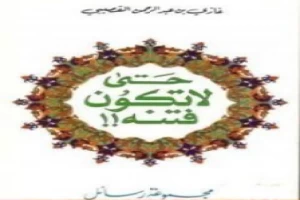
حتى لا تكون فتنة PDF - Ghazi Algosaibi
Ghazi Algosaibi • Islam • 102 Pages
(0)
Author
Ghazi AlgosaibiCategory
ReligionsSection
Number Of Downloads
54
Number Of Reads
70
File Size
0.48 MB
Views
1,015
Quate
Review
Save
Share
Book Description
يُعد كتاب «حتى لا تكون فتنة» للمفكر والأديب السعودي غازي القصيبي من أبرز كتبه الفكرية التي تناول فيها قضايا المجتمع والسياسة والفكر بمنهج يجمع بين العقلانية والهدوء في الطرح. صدر الكتاب لأول مرة في ثمانينيات القرن العشرين عن دار الساقي، ويعكس اهتمام القصيبي بالحوار الفكري ومناقشة القضايا الحساسة التي تشغل المجتمعات العربية والإسلامية، بعيدًا عن التعصب والانفعال.
يركز الكتاب على فكرة أساسية مفادها أن الاختلاف بين الناس أمر طبيعي، لكن تحوله إلى صراع أو فتنة يحدث عندما يغيب الحوار ويحل التعصب محل التفكير الموضوعي. ومن هذا المنطلق يناقش غازي القصيبي عددًا من القضايا الفكرية والاجتماعية والدينية والسياسية التي كانت محل جدل في العالم العربي، مؤكدًا أهمية احترام الرأي الآخر والاحتكام إلى العقل والمنطق بدلاً من الاتهامات والانقسامات.
لا يعتمد الكتاب على السرد القصصي أو الحبكة الروائية، بل يتكون من مقالات وتأملات فكرية مترابطة، يعرض فيها المؤلف وجهات نظره مدعومة بالأمثلة والاستشهادات التاريخية والفكرية. ويحرص القصيبي على تقديم أفكاره بلغة عربية واضحة وأسلوب أدبي رفيع يجمع بين البلاغة والبساطة، مما يجعل الكتاب سهل القراءة بالنسبة للقارئ العام، وفي الوقت نفسه غنيًا بالأفكار التي تستحق التأمل.
يناسب «حتى لا تكون فتنة» القراء المهتمين بالفكر العربي، والثقافة الإسلامية، وقضايا الحوار والتسامح، كما يفيد طلاب العلوم الإنسانية والباحثين في الأدب والفكر السياسي والاجتماعي. أما من يبحث عن رواية أو عمل أدبي يعتمد على الأحداث والشخصيات، فقد لا يجد في هذا الكتاب ما يتوافق مع اهتماماته، لأنه ينتمي إلى أدب المقالة الفكرية أكثر من انتمائه للأدب السردي.
من أبرز نقاط قوة الكتاب أسلوب غازي القصيبي المتميز، إذ يجمع بين العمق الفكري واللغة السلسة، ويطرح القضايا الخلافية بهدوء واتزان بعيدًا عن الإثارة. كما يمتاز بقدرته على ربط الأحداث التاريخية بالواقع المعاصر، وتقديم رؤية تدعو إلى الاعتدال واحترام التنوع الفكري. ومن الجوانب التي قد يراها بعض القراء نقطة ضعف أن بعض الموضوعات ترتبط بسياقها التاريخي والسياسي، وهو ما يجعل جزءًا من النقاش يعكس ظروف فترة صدور الكتاب أكثر من ارتباطه بالواقع الحالي، إلا أن الأفكار العامة المتعلقة بالحوار ونبذ الفتنة لا تزال تحتفظ بأهميتها.
ما يميز هذا الكتاب عن كثير من الكتب الفكرية العربية أنه لا يكتفي بعرض الآراء، بل يسعى إلى بناء ثقافة الحوار وإقناع القارئ بالحجة والمنطق، مع الابتعاد عن الخطاب المتشنج. كما يظهر فيه التوازن الذي اشتهر به غازي القصيبي، والذي جمع بين خبرته الإدارية والسياسية وخلفيته الأدبية والثقافية، فخرج الكتاب برؤية تجمع بين الفكر والواقع العملي.
يأتي الكتاب في سياق ثقافي شهد تصاعدًا في النقاشات الفكرية والسياسية داخل العالم العربي، حيث كانت الحاجة ملحة إلى أعمال تدعو إلى التفاهم وتخفيف حدة الاستقطاب. ولهذا اكتسب الكتاب أهمية لدى كثير من القراء الذين وجدوا فيه دعوة صريحة إلى ترسيخ ثقافة الحوار والاعتدال، وهي قيم ما زالت تحظى بأهمية كبيرة حتى اليوم.
لم يُعرف أن كتاب «حتى لا تكون فتنة» حصل على جوائز أدبية مستقلة، إلا أن مؤلفه غازي القصيبي يُعد من أبرز الشخصيات الأدبية والفكرية في المملكة العربية السعودية والعالم العربي، وقد ترك إرثًا متنوعًا في الشعر والرواية والفكر والإدارة. وبالنسبة لمن يبحث عن كتاب يدعو إلى التفكير الهادئ، ويقدم معالجة عقلانية لقضايا الاختلاف والتسامح، فإن «حتى لا تكون فتنة» يعد خيارًا جديرًا بالقراءة، لما يقدمه من أفكار متوازنة وأسلوب أدبي راقٍ لا يزال يحتفظ بقيمته الثقافية والفكرية.
Ghazi Algosaibi
Ghazi Al Gosaibi is widely recognized as one of the most influential Saudi Arabian literary figures, diplomats, and statesmen of the modern era. Ghazi Al Gosaibi stands out not only as a prolific novelist and poet but also as a highly respected public intellectual whose career spanned government service, diplomacy, and cultural commentary. His unique ability to move between literature and politics made him a rare figure in the Arab world, where he successfully combined artistic expression with high-level administrative responsibilities, shaping both cultural discourse and public policy in Saudi Arabia for several decades.
Ghazi Al Gosaibi was born in Al-Ahsa, Saudi Arabia, and pursued his early education in his home country before continuing his higher studies abroad. He earned academic degrees in law and international relations, including studies in the United States and the United Kingdom, which significantly influenced his worldview and writing style. Ghazi Al Gosaibi later completed a PhD in international relations from the University of Southern California, an academic achievement that reinforced his analytical approach to politics and society. This strong educational background allowed him to navigate complex governmental roles while maintaining a distinctive literary voice that resonated across the Arab world.
In his professional career, Ghazi Al Gosaibi held several key ministerial and diplomatic positions in the Saudi government. He served as Minister of Industry and Electricity, Minister of Health, and Minister of Water and Electricity at different stages of his career. He also served as Saudi Arabia’s ambassador to Bahrain and later to the United Kingdom and Ireland. These roles placed him at the center of regional and international diplomacy during critical periods of development and change. Despite the demands of his governmental responsibilities, Ghazi Al Gosaibi continued to write extensively, producing poetry, essays, and novels that reflected his deep concern for human dignity, freedom, governance, and social justice.
As a literary figure, Ghazi Al Gosaibi is best known for his bold and often controversial writings that explore themes such as freedom, identity, political reform, love, exile, and the struggles of modern Arab societies. His novels often blend autobiographical elements with fictional storytelling, creating a powerful narrative style that bridges realism and philosophical reflection. Among his most notable works are novels such as Shiqaq al-Huriyyah (The Apartment of Freedom), Awdat al-Tayr ila al-Bahr (The Return of the Bird to the Sea), and Abu Shalakh al-Barma'i. These works are celebrated for their emotional depth, social critique, and stylistic elegance, and they have been widely studied in Arabic literature courses across universities.
Ghazi Al Gosaibi was also a gifted poet whose poetry collections reflect a deep sensitivity to human emotion and existential questions. His poetry often expresses themes of longing, patriotism, loss, and the search for meaning in a rapidly changing world. Unlike many traditional poets, he adopted a modern tone that blended classical Arabic poetic forms with contemporary concerns, making his work accessible to both academic and general audiences.
Beyond literature and politics, Ghazi Al Gosaibi was known for his strong personality and outspoken views. He often addressed sensitive social and political issues in his writings, which sometimes led to controversy, yet also earned him widespread respect as a courageous intellectual voice. His ability to maintain integrity in both his governmental roles and literary pursuits contributed to his enduring legacy.
Ghazi Al Gosaibi passed away in 2010, but his influence continues to be felt across the Arab cultural and political landscape. He remains a symbol of the modern Arab intellectual who bridges the gap between governance and artistic expression. His works continue to inspire new generations of writers, thinkers, and readers who seek to understand the complexities of Arab identity and modernity.
Earn Rewards While Reading!
Every 10 pages you read and spent 30 seconds on every page, earns you 5 reward points! Keep reading to unlock achievements and exclusive benefits.
Read
Rate Now
5 Stars
4 Stars
3 Stars
2 Stars
1 Stars
حتى لا تكون فتنة Quotes
Top Rated
Latest
Quate
Be the first to leave a quote and earn 10 points
instead of 3
'%20/%3e%3c/svg%3e "حياة في الإدارة")
Comments
Be the first to leave a comment and earn 5 points
instead of 3