

The source of the book
This book is published for the public benefit under a Creative Commons license, or with the permission of the author or publisher. If you have any objections to its publication, please contact us.
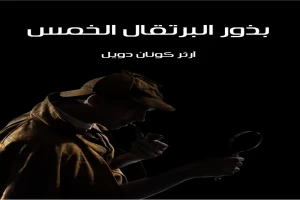
بذور البرتقال الخمس PDF - Arthur Conan Doyle
Arthur Conan Doyle • short stories • 34 Pages
(0)
Author
Arthur Conan DoyleCategory
literatureSection
Number Of Downloads
65
Number Of Reads
91
File Size
7.24 MB
Views
1,362
Quate
Review
Save
Share
Book Description
تُعد قصة «بذور البرتقال الخمس» للكاتب البريطاني Arthur Conan Doyle، والمعروفة بالإنجليزية باسم “The Five Orange Pips”، واحدة من قصص شيرلوك هولمز القصيرة التي تجمع بين الغموض البوليسي والتهديد الخفي القادم من الماضي. نُشرت القصة أول مرة في مجلة The Strand Magazine في نوفمبر 1891، ثم ظهرت ضمن مجموعة “The Adventures of Sherlock Holmes” الصادرة عام 1892 عن دار George Newnes Ltd.، وهي المجموعة التي ضمت اثنتي عشرة قصة من أشهر مغامرات المحقق شيرلوك هولمز وصديقه الدكتور واطسون.
تبدأ أحداث «بذور البرتقال الخمس» في أجواء عاصفة ومظلمة، وهي بداية مناسبة تمامًا لطبيعة القصة المشحونة بالخوف والإنذار. يصل الشاب جون أوبنشو إلى شقة شيرلوك هولمز في شارع بيكر، طالبًا المساعدة بعد أن تلقى رسالة غامضة تحتوي على خمس بذور برتقال ورموز مخيفة هي “K. K. K.”. لا تبدو الرسالة مجرد مزحة، لأن عائلة جون عرفت سلسلة من الوفيات الغامضة بعد وصول رسائل مشابهة، ما يجعل التهديد حقيقيًا ومباشرًا.
يروي جون لهولمز وواطسون تاريخ عائلته، فيتضح أن عمه إلياس أوبنشو عاش فترة في الولايات المتحدة، وتحديدًا في فلوريدا، قبل أن يعود إلى إنجلترا حاملًا معه أسرارًا لا يريد لأحد أن يقترب منها. كان العم رجلًا منعزلًا، عصبي المزاج، ويحتفظ في منزله بصندوق وأوراق خاصة. في يوم من الأيام يتلقى رسالة من بونديشيري في الهند، وبداخلها خمس بذور برتقال مع الحروف نفسها. بعد الرسالة، يصاب بفزع شديد، ويحرق عددًا من الأوراق، ثم يموت في ظروف غامضة. بعد ذلك تنتقل التركة إلى والد جون، الذي يتلقى بدوره رسالة مشابهة من دندي في إسكتلندا، وبعد وقت قصير يموت هو أيضًا في حادث غامض.
حين تصل الرسالة الثالثة إلى جون، يدرك أنه صار الحلقة التالية في سلسلة الانتقام. هنا يدخل شيرلوك هولمز في صميم القضية، فيحلل التفاصيل الصغيرة: أماكن إرسال الرسائل، الفواصل الزمنية بين وصولها ووقوع الموت، وخلفية العم الأمريكي. يستنتج هولمز أن الحروف “K. K. K.” تشير إلى جماعة كو كلوكس كلان، وأن الأمر يتعلق بأوراق سرية أو سجلات خطيرة احتفظ بها إلياس أوبنشو بعد مغادرته أمريكا. لا يعتمد هولمز على الحدس فقط، بل يربط بين حركة السفن والموانئ التي صدرت منها الرسائل، ليصل إلى أن القتلة يتحركون بحرًا ويتعقبون ضحاياهم ببرود وتنظيم.
ينصح هولمز جون أوبنشو بأن يضع ما تبقى من الأوراق في المكان المطلوب، مرفقة برسالة توحي بأن الوثائق أعيدت كما يريد المهددون. لكن القصة تأخذ منعطفًا مأساويًا، إذ لا يتمكن هولمز من إنقاذ موكله في الوقت المناسب. يُعثر على جون ميتًا، وتُسجل الوفاة باعتبارها حادثًا، غير أن هولمز يدرك أن يد الجريمة كانت وراءها. هذه النهاية تمنح القصة طابعًا مختلفًا عن كثير من مغامرات شيرلوك هولمز؛ فالمحقق هنا لا يحقق انتصارًا كاملًا، بل يصل إلى الحقيقة بعد فوات الأوان بالنسبة إلى الضحية.
في القسم الأخير من القصة، يواصل هولمز التحقيق بدافع العدالة الشخصية والمهنية. يحدد السفينة المرتبطة بالجرائم، وهي “Lone Star”، ويربطها بالقبطان جيمس كالهون. يرسل هولمز إلى القاتل خمس بذور برتقال كما فعل هو بضحاياه، في إشارة رمزية إلى أن المطاردة انقلبت عليه. لكن النهاية تبقى مفتوحة على قدر من السخرية السوداء؛ إذ تختفي السفينة في البحر قبل أن يصل القانون إلى المتهمين، وكأن الطبيعة نفسها تولت العقاب.
تتميز «بذور البرتقال الخمس» بأنها لا تعتمد على لغز مادي معقد بقدر اعتمادها على الخوف، والتهديد، وأثر الماضي في الحاضر. كما تكشف جانبًا إنسانيًا من شخصية شيرلوك هولمز، فهو لا يظهر فقط كمحقق عبقري، بل كرجل يشعر بالإحباط والغضب عندما تفلت حياة بريئة من يده. لذلك تظل قصة «بذور البرتقال الخمس» من أعمال Arthur Conan Doyle اللافتة في أدب الجريمة، لأنها تجمع بين التحقيق المنطقي والأجواء القاتمة والنهاية غير التقليدية التي لا تمنح القارئ راحة الانتصار السهل.
Arthur Conan Doyle
Agatha Christie is one of the most influential and widely read writers in the history of detective fiction, a British author whose name has become almost synonymous with mystery, crime, suspense, and the perfectly constructed literary puzzle. Born in England in 1890, Christie developed a lifelong fascination with storytelling, human behavior, secrets, and the hidden motives that can lie beneath ordinary social life. Her fiction is famous for combining elegant simplicity with extraordinary technical control: a body is discovered, a group of suspects is gathered, motives begin to surface, and the truth remains carefully concealed until the final revelation reshapes everything the reader thought they understood. What makes Agatha Christie especially remarkable is not only the number of books she wrote, but the precision with which she transformed the detective story into a form of intellectual entertainment. Her novels invite readers to become investigators, to notice small details, to weigh testimony, to question appearances, and to discover that the most important clue is often hidden in plain sight. Christie created some of the most recognizable characters in world literature, especially Hercule Poirot and Miss Marple. Hercule Poirot, the Belgian detective with his orderly mind, careful manners, and famous reliance on psychological insight, represents the power of logic, method, and close observation. Miss Marple, by contrast, appears modest and gentle, yet her deep understanding of village life and human nature allows her to interpret crime through patterns of behavior she has seen before. Through these two figures, Christie showed that detection could be both rational and intuitive, both analytical and humane. Her most celebrated works include Murder on the Orient Express, And Then There Were None, The Murder of Roger Ackroyd, Death on the Nile, The A.B.C. Murders, and A Murder Is Announced. These books remain popular because they combine suspense with memorable settings: a snowbound train, an isolated island, a river steamer, a country house, a quiet village, or a seemingly respectable family gathering. Christie understood that a confined setting increases tension, forcing characters to reveal themselves under pressure while the reader searches for the pattern behind their lies. Her storytelling rarely depends on graphic violence; instead, it relies on atmosphere, misdirection, dialogue, motive, and timing. She also wrote for the stage, and The Mousetrap became one of the most famous long-running plays in theatre history, proving that her sense of suspense could work as powerfully before a live audience as it did on the page. Agatha Christie’s prose is clear, economical, and accessible, which partly explains her global appeal. Yet beneath that clarity is a highly disciplined narrative intelligence. She knew when to withhold information, when to plant a clue, when to allow a suspect to appear guilty, and when to overturn expectations without cheating the reader. Her work reflects the social world of twentieth-century Britain, including class, manners, domestic life, inheritance, travel, marriage, reputation, and the tensions between public respectability and private desire. For modern readers, Christie’s novels offer more than clever endings. They offer a portrait of how people hide shame, ambition, resentment, fear, and longing behind polite conversation. Her influence can be seen in countless crime novels, television series, films, and detective stories that continue to use and reinvent the classic mystery structure she perfected. For book websites, libraries, and readers searching for classic crime fiction, Agatha Christie remains an essential author. Her legacy rests on the rare combination of popularity, originality, craftsmanship, and enduring readability. Decades after her death, her stories continue to challenge, entertain, and surprise readers, confirming her place as the enduring queen of mystery fiction.
Earn Rewards While Reading!
Every 10 pages you read and spent 30 seconds on every page, earns you 5 reward points! Keep reading to unlock achievements and exclusive benefits.
Read
Rate Now
5 Stars
4 Stars
3 Stars
2 Stars
1 Stars
بذور البرتقال الخمس Quotes
Top Rated
Latest
Quate
Be the first to leave a quote and earn 10 points
instead of 3
'%20/%3e%3c/svg%3e "آلة التفكيك")
Comments
Be the first to leave a comment and earn 5 points
instead of 3