

The source of the book
This book is published for the public benefit under a Creative Commons license, or with the permission of the author or publisher. If you have any objections to its publication, please contact us.
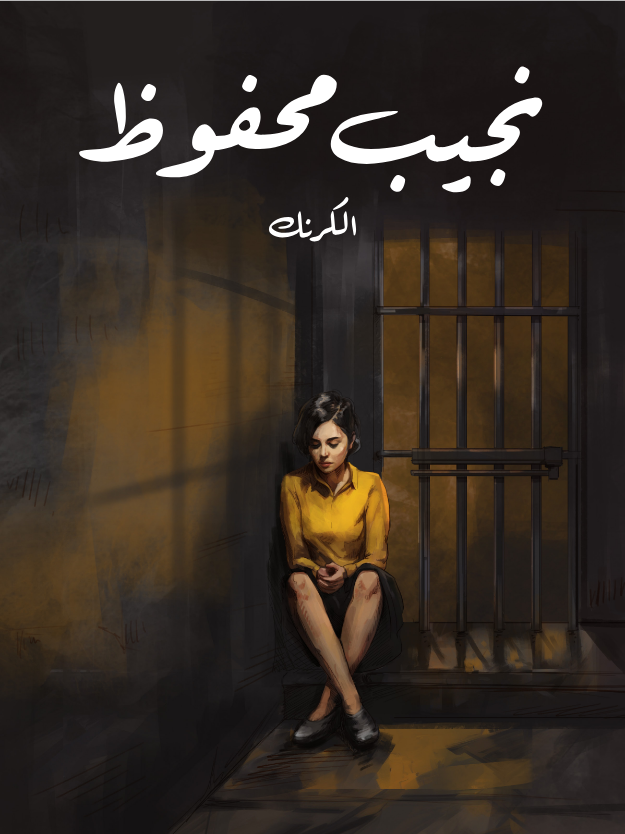
الكرنك PDF - Naguib Mahfouz
Naguib Mahfouz • Drama novels • 60 Pages
(0)
Author
Naguib MahfouzCategory
literatureSection
Number Of Downloads
59
Number Of Reads
81
File Size
2.25 MB
Views
1,334
Quate
Review
Save
Share
Book Description
رواية الكرنك للأديب العالمي نجيب محفوظ تُعد واحدة من أجرأ وأعمق الروايات السياسية في الأدب العربي الحديث، إذ تكشف بجرأةٍ نادرة الوجه المظلم للحقبة الناصرية وما شهدته من قمعٍ وتعذيبٍ وانتهاكٍ لحقوق الإنسان خلال ستينيات القرن العشرين. استطاع محفوظ أن يحوّل المأساة السياسية إلى عملٍ فنيٍّ إنساني نابض بالحياة، يجمع بين السرد الواقعي والرمزية العميقة التي عُرف بها.
تدور أحداث الرواية حول مجموعة من الشباب الجامعي المثقف الذين يؤمنون بالثورة وأحلامها في الحرية والعدالة الاجتماعية، لكنهم يصطدمون بواقعٍ قاسٍ من القهر والظلم. يجتمع هؤلاء الشباب في مقهى “الكرنك” بوسط القاهرة، الذي يصبح مسرحًا لأفكارهم وطموحاتهم، قبل أن يتحول إلى رمزٍ للوطن نفسه — وطنٍ فقد حريته وكرامته تحت وطأة القمع. وقد صرّح نجيب محفوظ أن المقهى مستوحى من مقهى “ريش” بميدان طلعت حرب، الذي كان ملتقى المثقفين والسياسيين آنذاك.
تُروى القصة على لسان إسماعيل الشيخ، أحد رواد المقهى، الذي يتعرض للاعتقال والتعذيب دون ذنب، إلى جانب شخصيات أخرى مثل زينب دياب التي تُغتصب في المعتقل، وقرنفلة الراقصة المعتزلة وصاحبة المقهى التي ترمز للأم المصرية الحنون التي تحتضن أبناءها رغم المحن، وخالد صفوان ضابط الأمن الذي يجسد السلطة القمعية الفاسدة. ومن خلال هذه الشخصيات، يرسم محفوظ لوحةً مأساويةً لمجتمعٍ تتلاشى فيه الحدود بين الضحية والجلاد، والحق والباطل، والحلم والخيبة.
بلغةٍ بسيطةٍ ومؤثرة، يسلط محفوظ الضوء على الظلم السياسي والفساد الإداري، وعلى التحولات النفسية التي تصيب الإنسان حين يُسحق تحت منظومةٍ قاهرةٍ باسم الوطن. كما يطرح الرواية تساؤلات فلسفية وإنسانية حول الحرية، والعدالة، والكرامة، ومعنى الانتماء في زمنٍ يفقد فيه الإنسان صوته وحقه في الوجود.
تنتهي الرواية بمشهدٍ يرمز إلى إمكانية الخلاص والأمل في التغيير، حيث لا يزال الحلم قائمًا رغم كل الانكسارات. وقد تحولت الكرنك إلى فيلمٍ سينمائي شهير في سبعينيات القرن الماضي، زاد من انتشارها وأكد مكانتها كواحدة من أهم الروايات السياسية في تاريخ الأدب المصري.
من خلال الكرنك، يبرهن نجيب محفوظ على قدرته الفائقة في تجسيد المأساة الوطنية بلغةٍ أدبيةٍ راقية، ليجعل من الرواية شهادةً أدبيةً خالدة على مرحلةٍ حرجة من تاريخ مصر، تظل تُذكّر الأجيال بأهمية الحرية والوعي والمساءلة.
Naguib Mahfouz
Naguib Mahfouz: The pioneer of the Arabic novel, and the winner of the highest literary prize in the world.
He was born on December 11, 1911 in Al-Gamaliya neighborhood in Cairo, to a middle-class family. His father was a government employee. He chose the name of the doctor who supervised his birth, Dr. Naguib Mahfouz Pasha, so that his name would be compounded by Naguib Mahfouz.
He was sent to writers at a young age, and then enrolled in primary school, during which he learned about the adventures of "Ben Johnson", which he borrowed from a colleague to read, to be Mahfouz's first experience in the world of reading. He also experienced the 1919 revolution at the age of eight, and it left a profound impact on him that later appeared in his novels.
After high school, Mahfouz decided to study philosophy and joined the Egyptian University, and there he met the Dean of Arabic Literature, Taha Hussein, to tell him of his desire to study the origin of existence. At this stage, his passion for reading increased, and he was preoccupied with the ideas of philosophers, which had the greatest impact on his way of thinking.
After graduating from the university, he worked as an administrative employee there for a year, then held several government jobs such as his work as a secretary in the Ministry of Awqaf. He also held several other positions, including: Head of the Oversight Authority at the Ministry of Guidance, Chairman of the Board of Directors of the Cinema Support Foundation, and Adviser to the Ministry of Culture.
Mahfouz had intended to complete academic studies and prepare for a master’s degree in philosophy on the subject of “Beauty in Islamic Philosophy,” but he fought a struggle with himself between his love for philosophy on the one hand, and his love for tales and literature, which began from his childhood on the other, and ended this internal conflict in favor of literature; He saw that philosophy could be presented through literature.
Mahfouz began to feel his first steps in the world of literature by writing stories, so he published eighty stories without payment. In 1939, his first creative experiments came to light. The novel "The Abatement of Destinies", after which he continued writing the novel and the short story in addition to the play, as well as press articles and scenarios for some Egyptian films.
Mahfouz’s novelist experience went through several stages, starting with the historical stage in which he returned to ancient Egyptian history, and issued his three historical trilogy: “The Absurdity of Predestination,” “Radopis,” and “The Good Struggle.” Then the realistic stage that began in 1945 AD, coinciding with the Second World War; At this stage, he approached reality and society, and published his realistic novels such as “New Cairo” and “Khan Al-Khalili”, reaching the peak of novelistic creativity with the famous trilogy: “Bain Al Qasrain”, “Qasr Al-Shouq” and “Al-Sukaria”. Then the symbolic or intellectual stage, whose most prominent works were: "The Road", "The Beggar", "Gossip over the Nile", and "The Children of Our Neighborhood" (which caused widespread controversy in religious circles, and its publication was banned for a while).
In 1994, Mahfouz was subjected to an assassination attempt, from which he survived, but it affected the nerves of the upper right side of the neck, negatively affecting his ability to write.
He received many international and local awards, most notably: the “Nobel Prize in Literature” in 1988, and the “Nile Necklace” in the same year.
The icon of Egyptian and Arabic literature “Naguib Mahfouz” passed away on August 30, 2006 AD, after a life full of creativity and giving, during which he presented many literary works close to humans and loaded with the philosophy of life, which is a great legacy that every Egyptian, every Arab, and every human celebrates.
Earn Rewards While Reading!
Every 10 pages you read and spent 30 seconds on every page, earns you 5 reward points! Keep reading to unlock achievements and exclusive benefits.
Read
Rate Now
5 Stars
4 Stars
3 Stars
2 Stars
1 Stars
الكرنك Quotes
Top Rated
Latest
Quate
Be the first to leave a quote and earn 10 points
instead of 3
'%20/%3e%3c/svg%3e "قصر الشوق")
Comments
Be the first to leave a comment and earn 5 points
instead of 3