

The source of the book
This book is published for the public benefit under a Creative Commons license, or with the permission of the author or publisher. If you have any objections to its publication, please contact us.
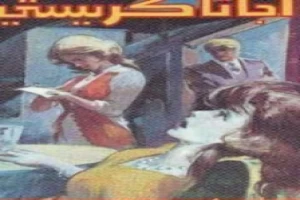
الكأس الأخيرة PDF - Agatha Christie
Agatha Christie • Literary novels • 208 Pages
(0)
Author
Agatha ChristieCategory
literatureSection
Number Of Downloads
56
Number Of Reads
66
File Size
4.30 MB
Views
1,113
Quate
Review
Save
Share
Book Description
رواية «الكأس الأخيرة» للكاتبة البريطانية أجاثا كريستي هي الترجمة العربية المتداولة لرواية الجريمة والغموض «Sparkling Cyanide»، التي نُشرت أولًا في الولايات المتحدة عام 1945 بعنوان «Remembered Death» عن دار Dodd, Mead and Company، ثم صدرت في بريطانيا في العام نفسه بعنوانها الأصلي عن Collins Crime Club. وتشير بيانات إحدى الطبعات العربية إلى صدورها بعنوان «الكأس الأخيرة» عن الشرق العربي ناشرون عام 2000. تنتمي الرواية إلى أدب التحري الكلاسيكي الذي اشتهرت به أجاثا كريستي، وتتميز ببناء قائم على الذاكرة، والشك، وإعادة النظر في حادثة تبدو في البداية انتحارًا واضحًا، لكنها تكشف تدريجيًا عن شبكة من الدوافع والعلاقات المضطربة.
تبدأ أحداث رواية «الكأس الأخيرة» بعد موت روزماري بارتون، المرأة الجميلة والثرية، أثناء عشاء في مطعم فاخر، حيث تشرب كأسًا من الشمبانيا المسمومة بالسيانيد. في الظاهر، تبدو الوفاة انتحارًا؛ فقد كانت روزماري تمر بحالة نفسية سيئة بعد إصابتها بالإنفلونزا، كما أن المحيطين بها يفضلون قبول هذا التفسير المريح بدلًا من مواجهة احتمال القتل. لكن أجاثا كريستي، كعادتها، لا تترك الحقيقة عند السطح، بل تجعل كل شخصية تستعيد روزماري بطريقتها الخاصة، فتظهر صورة امرأة محبوبة ومكروهة في الوقت نفسه، قادرة على إثارة الحب والغيرة والخوف والطمع.
بعد عام من الحادثة، يبدأ جورج بارتون، زوج روزماري، في الشك بأن زوجته لم تنتحر. تصله رسائل مجهولة توحي بأن ما حدث كان جريمة قتل، فيقرر إعادة جمع الأشخاص الذين كانوا حاضرين ليلة الوفاة في عشاء جديد، في المكان نفسه تقريبًا، وبترتيب مشابه. يريد جورج أن يراقب ردود الفعل ويستدرج القاتل إلى الخطأ. غير أن خطته تتحول إلى مأساة جديدة حين يموت هو أيضًا مسمومًا بالسيانيد في كأس الشمبانيا، لتصبح “الكأس الأخيرة” رمزًا للذاكرة القاتلة وللحقيقة التي لا يستطيع أحد دفنها طويلًا.
تتقدم الرواية من خلال مجموعة من الشخصيات التي تحيط بها الشبهات. هناك آيريس، أخت روزماري الصغرى ووريثة جزء من ثروتها، وهي فتاة شابة تتأرجح بين البراءة والخطر. وهناك روث ليسنج، السكرتيرة الهادئة لجورج، التي تبدو عملية ومخلصة، لكنها تخفي مشاعر معقدة. كما يظهر ستيفن فاراداي، السياسي الطموح الذي كانت تربطه بروزماري علاقة عاطفية سرية، وزوجته ساندرا التي قد تكون الغيرة دافعًا كافيًا لديها. كذلك يحضر أنتوني براون، الرجل الغامض صاحب الماضي الملتبس، وفيكتور دريك، الشخصية الانتهازية التي تتحرك بدافع المال والمصلحة.
ما يجعل «الكأس الأخيرة» رواية مؤثرة ليس الجريمة وحدها، بل طريقة أجاثا كريستي في تفكيك الذكريات. فكل من عرف روزماري يرويها بصورة مختلفة: امرأة ساحرة، أو أنانية، أو ضحية، أو تهديد. ومن خلال هذه الأصوات المتعددة، يتحول السؤال من “من وضع السم؟” إلى “من كان يملك سببًا حقيقيًا للتخلص منها؟”. تستغل كريستي هذا التعدد لتضليل القارئ دون أن تكسر منطق الحبكة، فتمنح كل مشتبه به دافعًا محتملًا، ثم تعيد ترتيب الأدلة حتى تتضح الصورة النهائية.
تستند الرواية إلى قصة قصيرة سابقة لأجاثا كريستي بعنوان «Yellow Iris»، لكنها توسع الفكرة وتغير بنية التحقيق والشخصيات، حيث يحل الكولونيل جوني ريس محل هرقل بوارو في معالجة اللغز. ويأتي دور الكولونيل ريس أكثر هدوءًا واتزانًا؛ فهو لا يفرض حضوره على الرواية بقدر ما يساعد على كشف التناقضات وتفسير ما فشل الآخرون في رؤيته.
في النهاية، تكشف «الكأس الأخيرة» عن جريمة قائمة على التلاعب النفسي والطمع، لا على المصادفة. روث ليسنج وفيكتور دريك يقفان خلف الخطة، مدفوعين بالرغبة في المال وباستغلال مشاعر الآخرين ونقاط ضعفهم. ومن خلال هذا الكشف، تؤكد أجاثا كريستي أن أخطر الجرائم ليست دائمًا تلك التي تقع في الظلام، بل التي تحدث أمام الجميع بينما ينشغل كل شخص بتفسير يناسب خوفه أو مصلحته. لذلك تبقى رواية «الكأس الأخيرة» من أعمال أجاثا كريستي المناسبة لمحبي الروايات البوليسية المترجمة، لأنها تجمع بين جريمة محكمة، وشخصيات رمادية، ونهاية تكشف كيف يمكن لكأس واحد أن يحمل ذاكرة كاملة من الخداع والانتقام.
Agatha Christie
Agatha Christie is one of the most influential authors in the history of detective fiction, a writer whose name has become almost synonymous with mystery, crime novels, elegant suspense, and the classic art of the carefully constructed puzzle. Born in England and later celebrated around the world, she built a literary career that transformed popular crime writing into a refined form of storytelling based on logic, psychology, timing, and narrative misdirection. Her novels and short stories are admired not only because they entertain, but also because they invite the reader to think, observe, compare clues, and question assumptions. Christie understood that the most effective mystery is not simply a question of who committed the crime, but a study of why people hide, lie, fear exposure, protect secrets, and behave differently under pressure. This combination of intellectual challenge and human insight made her work enduringly popular with readers of many cultures and generations.
Christie is best known for creating two of the most recognizable fictional detectives in world literature: Hercule Poirot and Miss Marple. Hercule Poirot, the meticulous Belgian detective, relies on order, method, and what he famously regards as the power of the mind. He is precise, observant, and often theatrical, yet beneath his distinctive manners lies a sharp understanding of motive and deception. Miss Marple, by contrast, appears gentle, quiet, and rooted in village life, but her understanding of human nature is formidable. She recognizes patterns of jealousy, greed, vanity, resentment, and fear because she has seen similar behavior in ordinary social life. Through these two figures, Christie explored different paths to truth: analytical reasoning on one hand and social observation on the other. Their lasting appeal shows how deeply she understood that detection is not only about evidence, but also about character.
Among Christie’s most famous works are Murder on the Orient Express, And Then There Were None, Death on the Nile, The Murder of Roger Ackroyd, The ABC Murders, and The Mysterious Affair at Styles. Each of these books demonstrates a different aspect of her craft. Murder on the Orient Express uses the enclosed space of a train to create tension, suspicion, and a memorable moral dilemma. And Then There Were None presents isolation, guilt, and fear with extraordinary control, turning a remote setting into a psychological trap. Death on the Nile combines travel, romance, jealousy, and murder in a way that shows Christie’s talent for atmosphere as well as structure. The Murder of Roger Ackroyd is often praised for its bold narrative method and its impact on the conventions of detective fiction. These works continue to attract new readers because they are not merely historical curiosities; they still function as gripping stories with strong pacing, memorable reveals, and carefully planted clues.
Agatha Christie’s style is often described as clear, economical, and highly readable, yet that apparent simplicity hides remarkable technical skill. She rarely wastes a detail. A casual remark, a small object, a shift in tone, or a minor inconsistency may later become essential to the solution. Her plots often depend on the reader looking in the wrong direction, but she usually plays fair by making the truth available before the final explanation. This fairness is one reason her books remain satisfying: the ending feels surprising, but not arbitrary. Christie also had a gift for creating social settings that appear orderly while concealing emotional violence. Country houses, trains, archaeological sites, hotels, boats, and quiet villages become stages on which hidden rivalries and buried histories emerge. Her knowledge of poisons, travel, domestic routines, and social manners helped her create mysteries that feel both theatrical and plausible.
The legacy of Agatha Christie extends far beyond the printed page. Her novels have been translated widely, adapted for stage, film, radio, and television, and continuously reintroduced to new audiences. Her play The Mousetrap became one of the most famous long-running theatrical works in the world, reinforcing her reputation as a master of suspense in dramatic form as well as prose. For book websites, libraries, and readers searching for classic mystery novels, Agatha Christie remains a central author because her work defines many of the expectations associated with detective fiction: the closed circle of suspects, the hidden motive, the unexpected witness, the misleading clue, the final gathering, and the brilliant explanation. Yet her importance is not limited to formula. She gave the mystery genre emotional texture, moral complexity, and a sense of elegant design. Agatha Christie continues to stand as a landmark figure in world literature, a writer whose stories prove that a well-made mystery can be both popular entertainment and a lasting work of narrative intelligence.
Earn Rewards While Reading!
Every 10 pages you read and spent 30 seconds on every page, earns you 5 reward points! Keep reading to unlock achievements and exclusive benefits.
Read
Rate Now
5 Stars
4 Stars
3 Stars
2 Stars
1 Stars
الكأس الأخيرة Quotes
Top Rated
Latest
Quate
Be the first to leave a quote and earn 10 points
instead of 3
'%20/%3e%3c/svg%3e "الموت المقنع")
Comments
Be the first to leave a comment and earn 5 points
instead of 3