

The source of the book
This book is published for the public benefit under a Creative Commons license, or with the permission of the author or publisher. If you have any objections to its publication, please contact us.
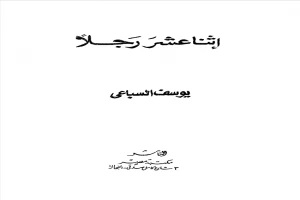
اثنا عشر رجلاً PDF - Youssef El Sebaei
Youssef El Sebaei • Literary novels • 159 Pages
(0)
Author
Youssef El SebaeiCategory
literatureSection
Number Of Downloads
40
Number Of Reads
59
File Size
2.46 MB
Views
768
Quate
Review
Save
Share
Book Description
كتاب «اثنا عشر رجلاً» هو أحد أبرز الأعمال غير الروائية للأديب المصري يوسف السباعي، ويُعد من الكتب التي تجمع بين الأدب والتاريخ والسيرة الإنسانية. صدر الكتاب لأول مرة في خمسينيات القرن العشرين عن دار المعارف في مصر، ويقدم فيه يوسف السباعي مجموعة من الصور الأدبية لشخصيات تركت أثرًا واضحًا في التاريخ أو المجتمع، مستندًا إلى أسلوبه السلس وقدرته على المزج بين السرد الأدبي والتأمل الفكري.
يقوم الكتاب على فكرة تقديم اثني عشر رجلًا، لكل منهم قصة مختلفة وتجربة إنسانية تستحق التأمل. لا يكتفي المؤلف بسرد الوقائع أو كتابة تراجم تقليدية، بل يحاول الكشف عن الجوانب النفسية والأخلاقية لكل شخصية، موضحًا كيف يمكن للقرارات والمواقف أن تصنع مصير الإنسان أو تغير مجرى التاريخ. ولذلك فإن الكتاب لا يركز على الأحداث وحدها، بل يهتم أيضًا بالدروس المستفادة من حياة هؤلاء الرجال، مما يجعله أقرب إلى الأدب التأملي منه إلى كتب السير التقليدية.
يتنقل يوسف السباعي بين الشخصيات بأسلوب مشوق يجعل القارئ يشعر وكأنه يقرأ مجموعة من القصص القصيرة المستقلة، مع وجود خيط فكري يربط بينها جميعًا. فكل فصل يقدم شخصية مختلفة، ويستعرض أهم محطات حياتها، والصراعات التي واجهتها، والصفات التي ميزتها، سواء كانت الشجاعة أو الطموح أو التضحية أو الإخلاص أو حتى الأخطاء التي أدت إلى سقوطها. ومن خلال هذه النماذج يوجه الكاتب دعوة غير مباشرة للتأمل في طبيعة الإنسان، وكيف يمكن للمبادئ والقيم أن تؤثر في مسيرة الأفراد والمجتمعات.
يناسب كتاب «اثنا عشر رجلاً» القراء المهتمين بالأدب العربي الكلاسيكي، ومحبي كتب السير والقصص الواقعية، وكذلك من يرغبون في قراءة أعمال تجمع بين المتعة والفائدة. كما يعد خيارًا جيدًا للطلاب والباحثين عن نصوص أدبية تمتاز بسهولة اللغة وعمق الفكرة، دون تعقيد أو إسهاب. ولا يشترط الكتاب معرفة مسبقة بالشخصيات التي يتناولها، لأن الكاتب يحرص على تقديمها بطريقة واضحة ومبسطة.
من أبرز نقاط قوة الكتاب أسلوب يوسف السباعي الأدبي، الذي يمتاز بالعذوبة والوضوح والقدرة على جذب القارئ منذ الصفحات الأولى. فهو يستخدم لغة عربية رشيقة تجمع بين الفصاحة والبساطة، ويعتمد على الوصف الدقيق والتحليل النفسي، مما يجعل الشخصيات تبدو حية وقريبة من القارئ. كذلك يتميز الكتاب بتنوع الشخصيات والموضوعات، وهو ما يمنع الشعور بالتكرار ويمنح كل فصل طابعًا خاصًا. أما من نقاط الضعف، فقد يرى بعض القراء أن المعالجة الأدبية تغلب أحيانًا على التوثيق التاريخي، لذلك لا ينبغي اعتباره مرجعًا تاريخيًا أكاديميًا بقدر ما هو عمل أدبي مستوحى من شخصيات وأحداث واقعية.
ما يميز «اثنا عشر رجلاً» عن كثير من كتب السير أنه لا يكتفي بجمع المعلومات، بل يقدم قراءة إنسانية للشخصيات، تركز على أبعادها النفسية والأخلاقية. كما أن يوسف السباعي ينجح في تحويل الوقائع التاريخية إلى نصوص أدبية ممتعة، وهو ما يمنح الكتاب قيمة خاصة بين أعمال الأدب العربي التي تناولت الشخصيات التاريخية والإنسانية.
يستحق الكتاب القراءة بلا شك، خاصة لمن يقدرون الأدب الذي يجمع بين الحكمة والسرد المشوق. فرغم مرور سنوات طويلة على صدوره، ما زالت موضوعاته تتناول قضايا إنسانية خالدة مثل القيادة، والشجاعة، والوفاء، والطموح، وتحمل المسؤولية، وهي قيم لا تفقد أهميتها مع تغير الزمن. كما يمثل الكتاب نموذجًا واضحًا لأسلوب يوسف السباعي الذي اشتهر بالجمع بين الثقافة الواسعة واللغة الأدبية السهلة.
ينتمي الكتاب إلى السياق الثقافي والفكري الذي ازدهرت فيه حركة التأليف الأدبي في مصر خلال منتصف القرن العشرين، وهي مرحلة شهدت اهتمامًا متزايدًا بتقديم التاريخ والسير بأسلوب يناسب القارئ العام. وقد أسهم يوسف السباعي، إلى جانب إنتاجه الروائي، في تقريب الشخصيات التاريخية والإنسانية من القارئ العربي من خلال أسلوب يجمع بين الدقة الأدبية والبعد الإنساني. ولا يُعرف أن كتاب «اثنا عشر رجلاً» قد حصل على جوائز أدبية مستقلة، إلا أنه يُعد من الأعمال التي ساهمت في ترسيخ مكانة يوسف السباعي بوصفه أحد أبرز كتاب الأدب العربي الحديث وأكثرهم تأثيرًا في الأدب المصري خلال القرن العشرين.
Youssef El Sebaei
Yusuf El-Sebai (1917–1978) was one of Egypt’s most influential novelists, journalists, and public intellectuals. He is widely regarded as one of the pioneers of modern Arabic romantic fiction, and his literary works continue to be appreciated across the Arab world. Born in Cairo, Egypt, El-Sebai grew up in an environment that encouraged learning and literature. His father was a scholar and writer, which inspired Yusuf to develop a passion for reading and storytelling from an early age. Although he later pursued a military career, his love for writing never faded. He successfully balanced his responsibilities as an army officer with his remarkable achievements as a novelist, becoming one of the few Egyptian writers who excelled in both fields.
Throughout his literary career, Yusuf El-Sebai wrote numerous novels, short stories, and articles that explored themes of love, patriotism, sacrifice, morality, and social justice. His writing style was characterized by emotional depth, clear language, and compelling storytelling. He had a unique ability to portray the inner emotions of his characters while addressing important social issues affecting Egyptian society. His novels often reflected the hopes, struggles, and dreams of ordinary people, making his works relatable to readers from different backgrounds.
Many of El-Sebai’s novels became classics of Arabic literature and were later adapted into successful Egyptian films and television series. Among his best-known works are My Heart Is Not in My Pocket, Between the Ruins, The Water Carrier Is Dead, and The Age of Love. These stories combined romance with realistic depictions of life, allowing readers to connect emotionally with the characters while also reflecting on broader moral and social questions. His ability to blend romance with meaningful social commentary earned him widespread admiration and established him as one of Egypt’s most beloved authors.
In addition to his literary accomplishments, Yusuf El-Sebai played a significant role in Egypt’s cultural and journalistic life. He served as the editor of several influential magazines and newspapers, where he encouraged young writers and promoted Arabic literature. His dedication to culture and education eventually led to his appointment as Egypt’s Minister of Culture. In this role, he worked to strengthen the country’s artistic and literary institutions, support cultural exchange, and preserve Egypt’s rich cultural heritage. His efforts contributed to expanding opportunities for writers, artists, and intellectuals throughout the country.
Yusuf El-Sebai also believed that literature should serve society by promoting values such as compassion, tolerance, and national unity. Many of his writings emphasized the importance of understanding others, overcoming personal hardships, and working toward a better future. His optimistic outlook and humanistic perspective made his books popular among readers of different generations. Even today, students and literature enthusiasts continue to study his works because they combine engaging narratives with timeless lessons about life and human relationships.
Beyond literature, El-Sebai was respected for his service in the Egyptian military, eventually reaching the rank of brigadier. His experiences in the armed forces influenced some of his writings, particularly those dealing with patriotism and responsibility. Despite his demanding military career, he remained deeply committed to the literary world and proved that dedication and creativity can coexist with public service.
The life of Yusuf El-Sebai came to a tragic end in 1978 when he was assassinated while attending an international cultural conference in Cyprus. His death shocked Egypt and the Arab world, as he was considered one of the country’s leading cultural figures. Although his life was cut short, his literary legacy has endured. His novels continue to be published, translated, and adapted for modern audiences, ensuring that new generations discover his remarkable contributions to Arabic literature.
Today, Yusuf El-Sebai is remembered not only as a gifted novelist but also as a visionary cultural leader who believed in the power of literature to inspire, educate, and unite people. His works remain an important part of Egypt’s literary heritage, reflecting the emotions, values, and aspirations of Egyptian society during the twentieth century. Through his unforgettable stories, memorable characters, and enduring message of hope and humanity, Yusuf El-Sebai continues to influence readers and writers across the Arab world and beyond.
Earn Rewards While Reading!
Every 10 pages you read and spent 30 seconds on every page, earns you 5 reward points! Keep reading to unlock achievements and exclusive benefits.
Read
Rate Now
5 Stars
4 Stars
3 Stars
2 Stars
1 Stars
اثنا عشر رجلاً Quotes
Top Rated
Latest
Quate
Be the first to leave a quote and earn 10 points
instead of 3
'%20/%3e%3c/svg%3e "أرض النفاق")
Comments
Be the first to leave a comment and earn 5 points
instead of 3