

The source of the book
This book is published for the public benefit under a Creative Commons license, or with the permission of the author or publisher. If you have any objections to its publication, please contact us.
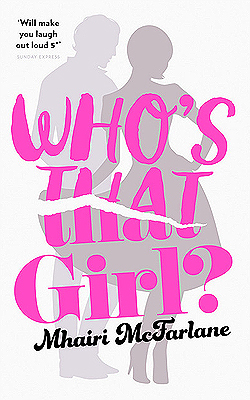
Who’s That Girl? PDF - Mhairi McFarlane
Mhairi McFarlane • romantic novels • 377 Pages
(0)
Quate
Review
Save
Share
Book Description
Who’s That Girl? by Mhairi McFarlane is a witty, emotionally layered contemporary romantic comedy about reputation, reinvention, public shame, and the complicated business of discovering who you are when everyone else thinks they already know. Blending sharp humour with warmth and insight, this novel follows Edie Thompson, a woman whose life is suddenly thrown into chaos after a disastrous moment at a colleagues’ wedding turns her into the centre of gossip, judgement, and unwanted attention.
At the beginning of the story, Edie is already navigating the awkward emotional territory of work, friendship, attraction, and social expectation. But when she is caught in a compromising situation with the groom on his wedding day, the consequences fall heavily on her. Overnight, she becomes the office outcast, labelled and judged by people who know only a version of the truth. What begins as a painful public humiliation soon becomes the starting point for a much larger journey, one that forces Edie to question her relationships, her career, her self-image, and the stories people choose to believe about women.
A Smart, Funny, and Emotionally Honest Romantic Comedy
Mhairi McFarlane is known for writing romantic comedy with depth, and Who’s That Girl? delivers the blend of humour, vulnerability, and emotional intelligence that makes her fiction so appealing. This is not simply a light love story built around misunderstandings and charming banter; it is also a thoughtful novel about how quickly a person can be reduced to a rumour, and how difficult it can be to rebuild confidence after being judged unfairly.
Edie’s situation feels painfully believable because McFarlane writes social embarrassment, workplace politics, online criticism, and female friendship with a keen eye for detail. The novel captures the cruelty of gossip without losing its comic energy, creating a story that is both entertaining and sharply observant. Readers looking for a funny British romcom, a modern love story, or a women’s fiction novel about starting over will find a story that is lively, clever, and emotionally satisfying.
Edie Thompson’s Journey of Reinvention
At the heart of Who’s That Girl? is Edie Thompson, a heroine whose charm lies in her imperfections. She is funny, self-aware, occasionally insecure, and deeply human. After being pushed out of her ordinary life by scandal and workplace hostility, she is given the chance to leave town and work on a ghostwriting project for Elliot Owen, a rising actor with his own public image and private complications.
This new assignment gives Edie physical distance from the people judging her, but it does not provide an instant escape from her own doubts. Instead, it places her in a situation where she must rethink how she sees herself and how much power she is willing to give to other people’s opinions. Through Edie, the novel explores the pressure to be liked, the emotional damage caused by unfair blame, and the courage required to reclaim your own identity after a public fall.
Fame, Image, and the Stories People Tell
One of the strongest themes in Who’s That Girl? is the contrast between public image and private reality. Edie becomes infamous in her own social and professional circle, while Elliot Owen lives under the larger scrutiny of celebrity culture. Their worlds may seem different, but both characters understand what it means to have others make assumptions about them from the outside.
Through this contrast, McFarlane creates a contemporary story about reputation in the modern age. The novel looks at how quickly people judge, how easily narratives spread, and how difficult it can be to correct a false impression once it has taken hold. Yet the book never becomes heavy-handed. Instead, it uses humour, chemistry, dialogue, and character growth to examine these themes in a way that feels natural and engaging.
A Romance Built on Wit, Tension, and Emotional Connection
Readers who enjoy slow-burn romance, sparkling conversation, and relationships that develop through personality rather than instant perfection will appreciate the romantic thread in Who’s That Girl? The connection between Edie and Elliot is shaped by humour, guarded honesty, and the gradual discovery of who they are beyond first impressions. Their dynamic adds warmth and charm to the novel, but it also supports the larger story of trust, vulnerability, and self-respect.
The romance works because McFarlane gives both characters emotional texture. Elliot is not simply a glamorous celebrity figure, and Edie is not merely the ordinary woman thrown into his orbit. Their interactions reveal insecurity, intelligence, defensiveness, and kindness, making the relationship feel rooted in character rather than fantasy alone. For readers searching for a romantic comedy with realistic characters, this balance of wit and emotional sincerity is one of the book’s main pleasures.
Friendship, Family, and Female Resilience
Beyond the romantic storyline, Who’s That Girl? also pays close attention to friendship, family, and the support systems that help people survive difficult periods. Edie’s story is not only about finding love; it is about learning who deserves access to her life and who does not. McFarlane writes with particular sensitivity about the emotional cost of being misunderstood, especially when judgement comes from people who should have shown more loyalty or compassion.
This gives the novel a strong appeal for readers of contemporary women’s fiction as well as romance. It is a story about dignity after embarrassment, strength after rejection, and the process of becoming less dependent on external approval. Edie’s growth feels earned because it comes through discomfort, reflection, humour, and the gradual rebuilding of self-belief.
Why Readers Enjoy Who’s That Girl?
Who’s That Girl? is ideal for readers who want a book that is funny without being shallow, romantic without being predictable, and emotional without becoming overly sentimental. Mhairi McFarlane’s writing style is sharp, conversational, and full of memorable observations about modern life. Her humour often comes from awkward social situations, honest inner monologue, and the gap between what people say and what they truly feel.
The novel will especially appeal to fans of British romantic comedy, feel-good fiction, celebrity romance, and character-driven stories about second chances. It is also a strong choice for readers who enjoy novels about women reclaiming their confidence after personal or professional humiliation. With its mix of comedy, romance, friendship, and self-discovery, the book offers the comfort of an entertaining love story while still addressing real emotional stakes.
A Warm and Clever Novel About Becoming Yourself Again
Who’s That Girl? by Mhairi McFarlane is a thoughtful and entertaining novel about what happens when one mistake, one moment, or one public misunderstanding threatens to define an entire life. Through Edie Thompson’s story, the book explores shame, resilience, romance, and identity with humour and compassion. It is a novel about refusing to remain trapped inside other people’s opinions and learning to recognise your own worth even when the world seems determined to misread you.
For readers looking for a smart contemporary romance, a laugh-out-loud romantic comedy, or a moving story about reinvention and self-discovery, Who’s That Girl? offers a rich and satisfying reading experience. It is warm, witty, modern, and emotionally generous, a book that understands the messiness of life while still leaving room for hope, connection, and the possibility of beginning again.
Mhairi McFarlane
Mhairi McFarlane is a Scottish British novelist whose sharp, emotionally intelligent romantic comedies have made her one of the most admired contemporary voices in commercial women’s fiction, modern romance, and smart British rom-com writing. Born in Falkirk, Scotland in 1976, educated in Nottingham, and trained in English Language and Literature at the University of Manchester, McFarlane brought a journalist’s instinct for dialogue, timing, observation, and social awkwardness into fiction after working as a trainee reporter, reporter, feature writer, and columnist at the Nottingham Post. Her unusual first name is famously pronounced “Vah-Ree,” a detail often noted in publisher biographies, but what has made the name memorable to readers is the distinctive authorial voice behind it: witty without being shallow, romantic without being sentimental, and emotionally generous without pretending that love fixes everything quickly. Her debut novel, “You Had Me At Hello,” became an instant success after publication in 2012 and established many of the themes that continue to define her work: old friendships that never entirely died, the ache of missed chances, the comedy of professional embarrassment, the humiliations of modern dating, and the hard-earned maturity required to choose the right person rather than simply desire them. Since then, McFarlane has written a substantial body of romantic comedy novels for HarperCollins, including “Here’s Looking At You,” “It’s Not Me, It’s You,” “Who’s That Girl?,” “Don’t You Forget About Me,” “If I Never Met You,” “Last Night,” “Mad About You,” “Between Us,” “You Belong With Me,” and “Cover Story.” Her fiction is often grouped with romantic comedy, but that label only captures part of her appeal. McFarlane writes about romance as a social and psychological event: a relationship is never just a relationship, because it is shaped by workplace politics, friendship groups, class expectations, family pressure, public reputation, insecurity, grief, shame, and the stories people tell about who they used to be. In “If I Never Met You,” the fake-dating premise becomes a way to explore dignity after betrayal and the performance of confidence in a professional environment. In “Don’t You Forget About Me,” a reunion romance opens questions about memory, self-protection, and whether the past can be recovered without repeating old harm. In “Who’s That Girl?” and its sequel “You Belong With Me,” McFarlane follows Edie Thompson through the complications of scandal, celebrity, ordinary work, and the strange pressure of loving someone whose life is watched by others. Her 2025 novel “Cover Story” returns to the world of journalism through office rivalry, undercover reporting, and a fake relationship plot, showing how comfortably her comic gifts sit alongside questions of ambition, ethics, and reinvention. McFarlane’s career also expanded beyond novels when she joined the writers’ room for season five of “Slow Horses,” an experience that underlines the flexibility of her comic timing and narrative instincts. With more than 4.5 million books sold worldwide according to HarperCollins UK, she stands as a major author for readers who want romance that is funny, emotionally textured, socially observant, and grounded in recognizable adult life.
Earn Rewards While Reading!
Every 10 pages you read and spent 30 seconds on every page, earns you 5 reward points! Keep reading to unlock achievements and exclusive benefits.
Read
Rate Now
5 Stars
4 Stars
3 Stars
2 Stars
1 Stars
Who’s That Girl? Quotes
Top Rated
Latest
Quate
Be the first to leave a quote and earn 10 points
instead of 3
'%20/%3e%3c/svg%3e "If I Never Met You")
Comments
Be the first to leave a comment and earn 5 points
instead of 3