

The source of the book
This book is published for the public benefit under a Creative Commons license, or with the permission of the author or publisher. If you have any objections to its publication, please contact us.
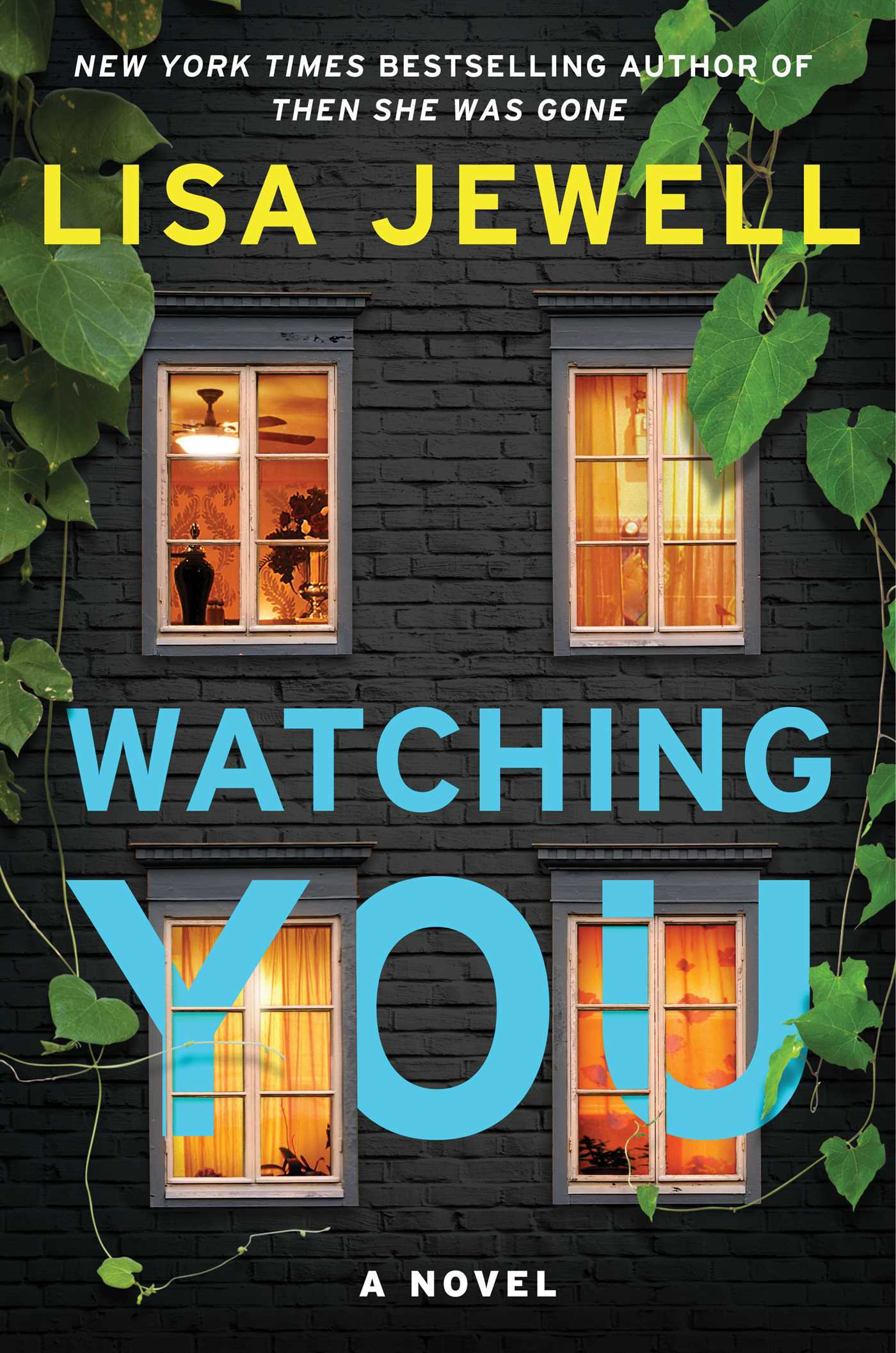
Watching You PDF - Lisa Jewell
Lisa Jewell • Crime novels and mysteries • 320 Pages
(0)
Author
Lisa JewellCategory
literatureSection
Number Of Downloads
1
Number Of Reads
76
File Size
7.17 MB
Views
95
Quate
Review
Save
Share
Book Description
Watching You by Lisa Jewell is a tense, atmospheric psychological thriller about obsession, secrecy, surveillance, and the dangerous stories people build around those they think they know. Set in a well-to-do English community, the novel begins with the promise of everyday domestic drama and gradually turns into a layered mystery where desire, suspicion, and hidden histories collide. The publisher presents the book as a suspenseful page-turner about a shocking murder in a picturesque town, designed for readers who enjoy twisty domestic suspense and morally complicated characters. (simonandschuster.com)
A Suspense Novel About Watching and Being Watched
At the center of Watching You is the unsettling idea that observation is never innocent for long. The novel follows a woman who returns home after four years abroad, newly married and not yet settled into the stable life she hoped to build. While staying temporarily in her brother’s spare room, she becomes fascinated by the man next door: an attractive, charismatic head teacher who is older, confident, and surrounded by an aura of authority. What begins as a private crush soon grows into something more consuming, and the story’s central tension comes from the realization that while she is watching him, someone else may be watching her. (simonandschuster.com)
This premise gives Watching You its immediate psychological pull. Lisa Jewell takes a familiar feeling—curiosity about a neighbor, admiration for someone impressive, the temptation to look a little too closely—and pushes it into darker territory. The result is a domestic thriller where the danger does not come from a remote criminal underworld, but from the people living behind nearby windows, the conversations overheard by chance, and the secrets that respectable lives can hide. The title becomes more than a phrase; it becomes the structure of the novel itself, as characters observe, misread, desire, judge, and suspect one another.
A Well-To-Do Neighborhood with Dark Secrets
The setting is essential to the power of Watching You. The novel unfolds around an affluent neighborhood in Bristol, a place that should suggest safety, order, and social polish. Yet Lisa Jewell is especially skilled at showing how the most controlled environments can become the most claustrophobic. Behind attractive homes and professional reputations, the characters carry private fears, past mistakes, inappropriate attachments, and unresolved tensions. The publisher’s description emphasizes the book’s blend of family secrets, illicit passion, and an unexplained murder, placing it firmly within the tradition of contemporary psychological suspense. (penguin.com.au)
Jewell uses this neighborhood almost like a stage where everyone can see something, but no one sees the whole truth. A glance through a window, a rumor at school, a diary entry, a suspicious habit, or a small act of concealment can shift the reader’s understanding of the story. The community appears connected, yet those connections are fragile and often deceptive. People know one another by reputation, by gossip, by appearances, and by the roles they perform in public, but the novel repeatedly asks whether any of those forms of knowledge can be trusted.
Obsession, Desire, and the Danger of Projection
One of the strongest themes in Watching You is obsession. The book explores how easily admiration can become fixation, especially when someone feels emotionally unsettled, displaced, or dissatisfied with the life they are living. The central crush is not presented as a simple romantic fantasy; it becomes a lens through which the character’s uncertainty, longing, and vulnerability are exposed. Jewell understands that obsession often says as much about the person watching as it does about the person being watched.
This makes the novel more psychologically interesting than a straightforward murder mystery. The attractive head teacher at the heart of the fascination is not merely a romantic figure or a suspect; he becomes a symbol onto which others project desire, resentment, suspicion, and fear. His position in the community gives him influence, but it also makes him visible. People admire him, distrust him, study him, and tell stories about him. Through this dynamic, Watching You examines how charisma can distort judgment and how secrecy can grow in the gap between public image and private behavior.
A Twisty Mystery with Multiple Layers
Watching You opens with the shadow of a violent crime, but Lisa Jewell does not rush to explain it. Instead, she builds the novel through layers of perspective, memory, suspicion, and misdirection. The publisher describes the book as a story where no one is quite what they seem and everyone has something to hide, a description that fits Jewell’s method especially well. Rather than giving readers one clear path toward the truth, she creates a web of possible motives and emotional entanglements. (simonandschuster.net)
This structure makes the reading experience highly engaging. Each character seems to hold a piece of the puzzle, but those pieces do not immediately fit together. A person who appears harmless may be hiding something. A person who seems suspicious may be misunderstood. A small detail can later become significant. Jewell’s pacing is designed to keep the reader reconsidering earlier assumptions, which is why the book works so well for fans of twisty thrillers, whodunits, and domestic suspense novels where emotional secrets matter as much as forensic clues.
Family Drama Beneath the Suspense
Although Watching You is built around mystery and danger, it also has the emotional weight of a family drama. Lisa Jewell’s strength as a novelist lies in her ability to make suspense feel personal. Her characters are not simply pieces in a puzzle; they are people struggling with marriage, identity, loneliness, teenage vulnerability, professional pressure, and the fear of not being seen clearly. This gives the novel a strong human core beneath its darker plot.
The book is particularly effective in the way it connects private longing to public consequence. A crush, a secret, a teenage diary, a marriage under strain, or a rumor inside a school community might seem small in isolation, but Jewell shows how such details can gather force. In Watching You, emotional negligence can be as dangerous as open hostility, and the things people fail to say can shape the story as powerfully as the things they do. This balance between psychological intimacy and external suspense is one of the reasons Jewell’s fiction appeals to both thriller readers and book club audiences.
Why Readers of Lisa Jewell Will Enjoy Watching You
Readers who know Lisa Jewell from books such as Then She Was Gone, The Family Upstairs, Invisible Girl, and None of This Is True will recognize many of her signature strengths in Watching You. Her publisher identifies her as a number one New York Times bestselling author of twenty-four novels, with international sales of more than fifteen million copies and translations into more than thirty languages. (simonandschuster.net)
Those strengths include accessible writing, fast-moving chapters, carefully placed revelations, and characters who feel ordinary enough to be believable but secretive enough to be dangerous. Jewell does not rely only on shock; she creates suspense by making the reader care about the people involved, then slowly revealing how little they understand one another. Her work often suggests that the scariest mysteries are not hidden in unfamiliar places, but inside homes, marriages, schools, and communities that appear perfectly normal from the outside.
A Strong Choice for Fans of Domestic Psychological Thrillers
Watching You is an excellent choice for readers looking for a psychological thriller, a domestic suspense novel, a murder mystery with family secrets, or a story about obsession and surveillance. It offers the pleasure of a page-turning plot while also exploring deeper questions about trust, perception, desire, and the masks people wear in public. The novel’s central idea is simple and chilling: everyone is watching someone, but no one fully understands what they are seeing.
For readers who enjoy suspense built from ordinary lives rather than distant conspiracies, Watching You delivers a compelling blend of unease, emotional tension, and mystery. Lisa Jewell turns a beautiful neighborhood into a place of danger, a private crush into a source of dread, and a community of seemingly respectable people into a maze of secrets. The result is a sharp, absorbing thriller about how easily curiosity can become obsession, how quickly admiration can become suspicion, and how the truth can remain hidden even when everyone is looking directly at it.
Lisa Jewell
Lisa Jewell is a British author whose name has become strongly associated with psychological thrillers, domestic suspense, family secrets, missing-person mysteries, and emotionally layered crime fiction. Her fiction is widely read because it combines page-turning tension with a close understanding of ordinary lives: marriages, friendships, neighborhoods, memories, grief, obsession, and the quiet unease that can exist behind respectable doors. Her publisher describes her as a number one New York Times bestselling author of twenty-four novels, including Don’t Let Him In, None of This Is True, The Family Upstairs, Then She Was Gone, Invisible Girl, and Watching You; the same publisher notes that her novels have sold more than fifteen million copies internationally and have been translated into more than thirty languages.
Jewell’s career began with Ralph's Party, a novel that helped establish her as a fresh voice in popular fiction at the end of the 1990s. In her early work, she was often associated with warm, witty, relationship-driven fiction, but her career later moved into darker psychological territory. That shift is one of the reasons her body of work is so appealing: she did not abandon character or emotional realism when she entered the thriller field. Instead, she brought those strengths into stories about secrecy, manipulation, disappearance, memory, and danger. As a result, her thrillers feel intimate as well as suspenseful. The fear in her books often begins not with a spectacular crime scene, but with a person noticing that something in a familiar relationship does not quite fit.
One of Jewell’s defining qualities is her ability to make ordinary settings feel charged with hidden meaning. A family home, a London street, a garden, a pub, or a quiet community can become the center of a mystery where the past refuses to stay buried. In novels such as Then She Was Gone, The Family Upstairs, The Night She Disappeared, Invisible Girl, and None of This Is True, she often explores what happens when private histories collide with public identities. Her characters are rarely simple heroes or villains. They are grieving parents, lonely strangers, unreliable witnesses, wounded children, charming manipulators, and people who have learned to survive by hiding pieces of themselves. This psychological depth gives her stories a strong emotional pull.
Jewell is especially effective at writing suspense that is accessible without being shallow. Her chapters are usually shaped by momentum, revelation, and shifting points of view, but beneath the structure lies a steady interest in trauma, denial, family damage, and the stories people tell in order to protect themselves. Readers who come to her books for twists often stay for the emotional stakes. She understands that a secret is not only a plot device; it is also a burden that changes how people love, remember, trust, and fear. This makes her novels highly suitable for fans of domestic thrillers, crime fiction, book club mysteries, and psychological suspense novels that combine readability with emotional complexity.
Her reputation has continued to grow with the modern thriller audience. Penguin has described her as an author once beloved for romance who has become a household name in crime fiction, with books frequently appearing on the Sunday Times bestseller list. None of This Is True also became a major reader favorite; the BBC reported that it won Book of the Year at the 2024 TikTok Book Awards, reflecting the way Jewell’s suspense reaches both traditional readers and contemporary online reading communities.
A major part of Jewell’s appeal lies in her control of uncertainty. She rarely gives the reader a complete picture at the beginning. Instead, she offers fragments: a memory that may be wrong, a person whose charm feels slightly rehearsed, a disappearance that has never been fully explained, or a household whose surface calm hides something rotten. The reader is invited to assemble the truth alongside the characters, but the truth usually arrives with emotional consequences. That structure gives her books their compulsive rhythm, making them the kind of novels readers often describe as difficult to put down.
For readers discovering Lisa Jewell, her work offers a strong entry point into contemporary British suspense. She writes about fear, but also about longing, grief, family bonds, social performance, and the way the past can return through the smallest detail. Her novels appeal to readers who enjoy clever plotting, morally complicated characters, and stories where danger grows from the most familiar spaces. Whether the book begins with a missing girl, a strange inheritance, a dangerous friendship, or a man who seems too perfect to trust, Jewell’s fiction promises a carefully built atmosphere of suspicion and emotional discovery.
Earn Rewards While Reading!
Every 10 pages you read and spent 30 seconds on every page, earns you 5 reward points! Keep reading to unlock achievements and exclusive benefits.
Read
Rate Now
5 Stars
4 Stars
3 Stars
2 Stars
1 Stars
Watching You Quotes
Top Rated
Latest
Quate
Be the first to leave a quote and earn 10 points
instead of 3
Other books by Lisa Jewell
Other books like Watching You
'%20/%3e%3c/svg%3e "The Harbinger: The Ancient Mystery that Holds the Secret of America's Future")
Jonathan Cahn.
Crime novels and mysteries
(0)
3009
English
Jonathan Cahn.
Crime novels and mysteries
(0)
2676
English
Comments
Be the first to leave a comment and earn 5 points
instead of 3